
What Does Insurance Not Cover for Skin Treatments in Korea?
Introduction
South Korea is one of the world's leading destinations for dermatology and cosmetic skin treatments, attracting international patients who travel for advanced procedures such as laser therapy, skin boosters, Botox, dermal fillers, acne treatment, anti-aging procedures, pigmentation correction, and RF microneedling. While Korea offers excellent medical care and competitive prices, many international patients mistakenly assume their health insurance or travel insurance will pay for every treatment they receive.
In reality, most insurance policies have specific exclusions for cosmetic dermatology and elective procedures. Whether you have Korea's National Health Insurance (NHIS), private health insurance, international medical insurance, or travel insurance, understanding what is not covered is just as important as knowing what is covered. This guide explains the most common insurance exclusions for skin treatments in Korea and helps international patients avoid unexpected medical expenses.
Why Insurance Has Exclusions
Insurance Covers Medical Necessity
Health insurance is designed primarily to pay for medically necessary diagnosis, treatment, and management of illnesses or injuries.
Insurance companies generally evaluate whether a treatment:
- Treats a diagnosed medical condition
- Prevents serious health complications
- Restores normal body function
- Is recommended by a physician for medical reasons
If the answer is no, reimbursement becomes less likely.
Cosmetic Procedures Are Usually Elective
Most cosmetic skin treatments are performed to improve appearance rather than treat disease.
Because these procedures are elective, they are generally excluded from insurance coverage.
Cosmetic Skin Treatments Commonly Not Covered
Botox for Wrinkle Reduction
Botox is one of the most popular cosmetic treatments in Korea.
When used to:
- Reduce forehead wrinkles
- Smooth crow's feet
- Treat frown lines
- Prevent facial aging
insurance usually does not provide reimbursement.
Medical Botox prescribed for conditions such as excessive sweating or muscle disorders may be treated differently.
Dermal Fillers
Cosmetic fillers used to enhance:
- Lips
- Cheeks
- Chin
- Jawline
- Under-eye area
are considered elective procedures.
These treatments are almost always excluded by health insurance.
Skin Boosters
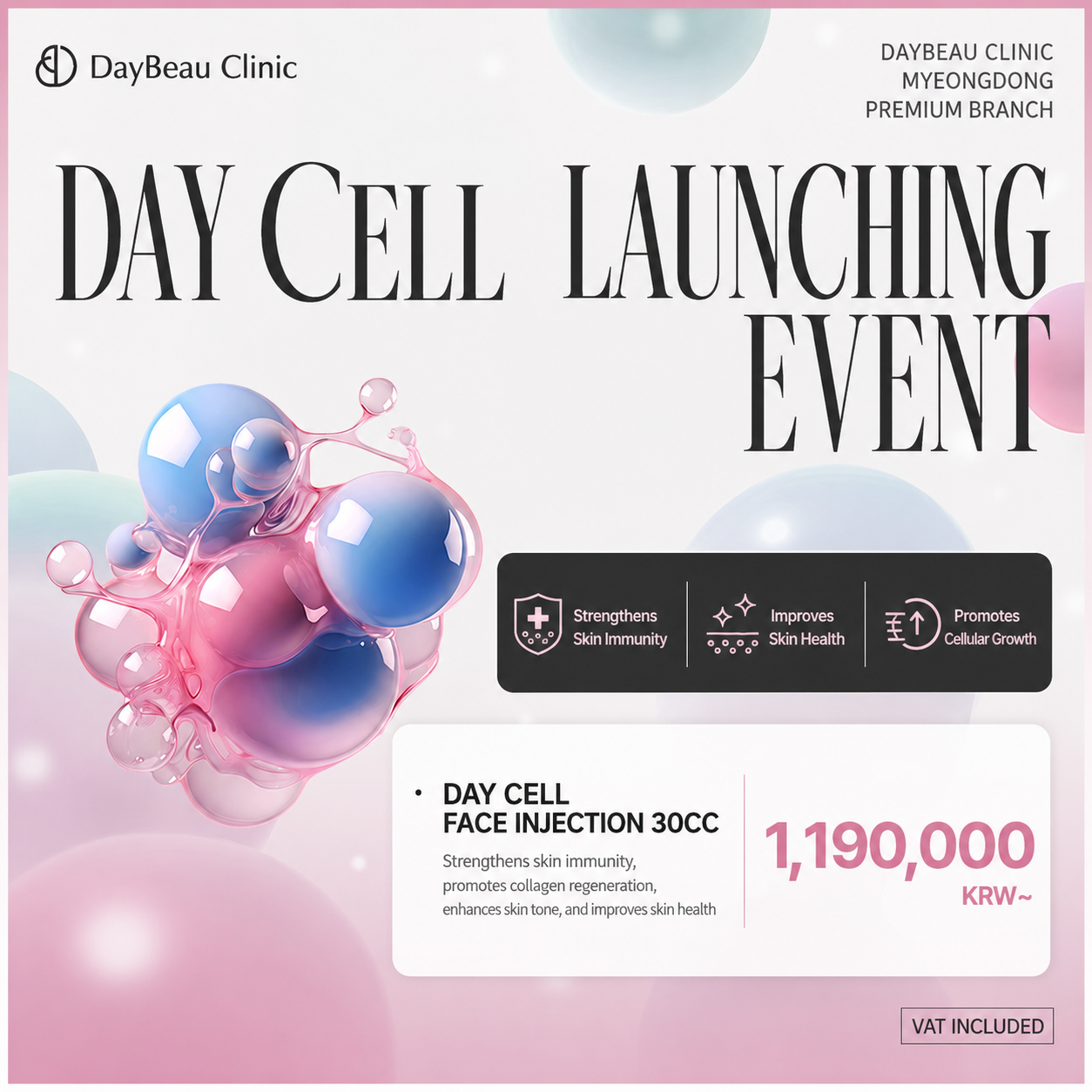
Injectable skin boosters, including:
- Rejuran
- Juvelook
- Hyaluronic acid boosters
are cosmetic treatments designed to improve hydration, elasticity, and skin quality.
Insurance rarely covers these procedures.
HydraFacial
HydraFacial focuses on cleansing, exfoliation, hydration, and skin rejuvenation.
Because it is considered a cosmetic facial treatment, insurance generally excludes reimbursement.
Laser Treatments Usually Not Covered
Laser Skin Rejuvenation
Laser procedures performed for:
- Anti-aging
- Skin brightening
- Fine lines
- Enlarged pores
- Texture improvement
are typically cosmetic.
Insurance companies usually deny reimbursement.
Pigmentation Treatments
Laser treatment for:
- Freckles
- Sunspots
- Melasma
- Cosmetic pigmentation
is generally considered aesthetic treatment unless medically necessary.
Tattoo Removal
Laser tattoo removal is almost always classified as an elective cosmetic procedure.
Insurance does not normally cover treatment.
Skin Tightening Procedures
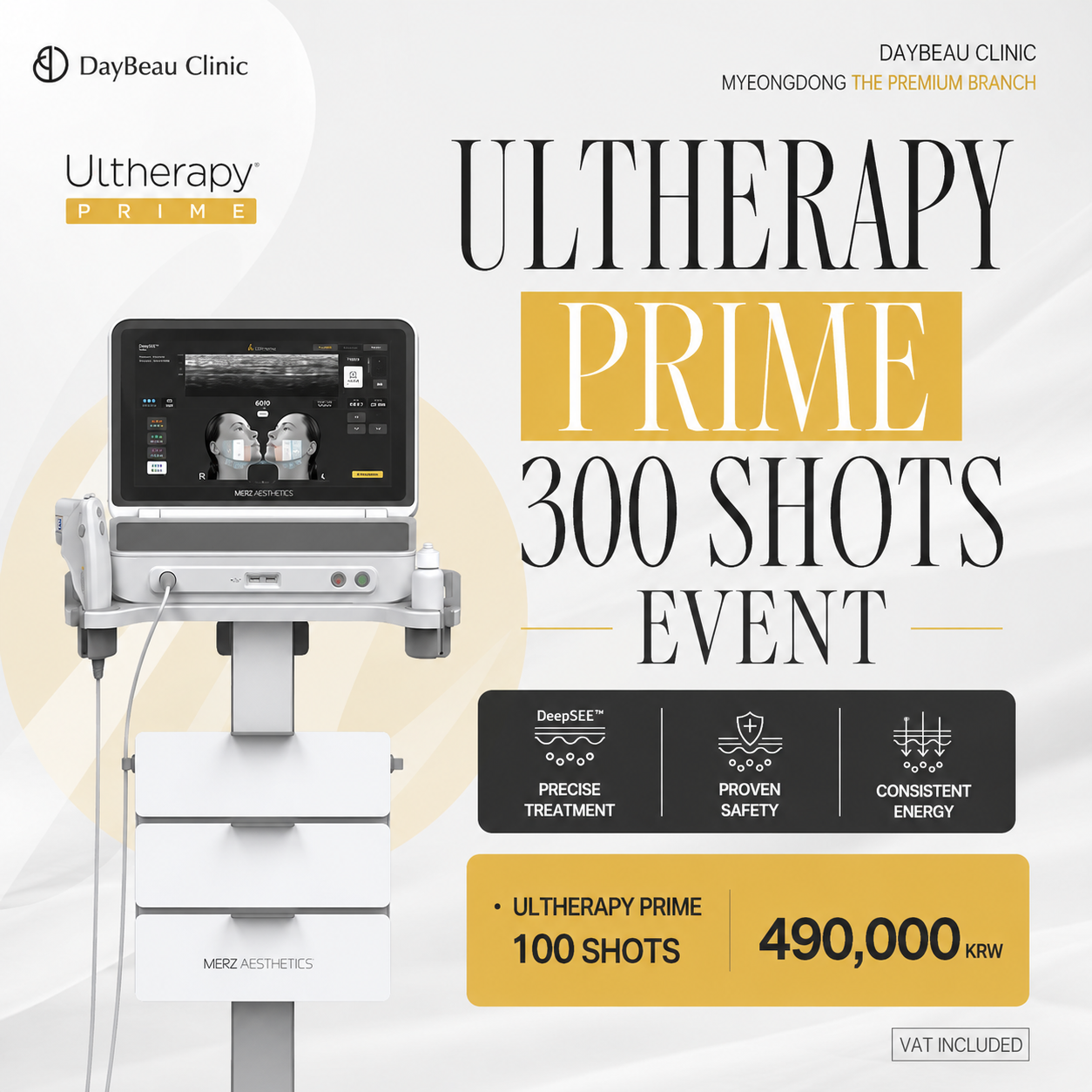
Ultherapy
Ultherapy uses focused ultrasound to tighten skin and reduce facial aging.
Because the treatment is cosmetic, insurance generally excludes coverage.
Thermage
Thermage improves skin firmness using radiofrequency technology.
This anti-aging procedure is typically paid entirely by the patient.
Sofwave
Sofwave is another cosmetic skin tightening treatment designed to stimulate collagen production.
Insurance rarely reimburses the cost.
Acne Treatments That May Not Be Covered
Cosmetic Acne Procedures
Insurance may not cover cosmetic acne treatments such as:
- Acne facials
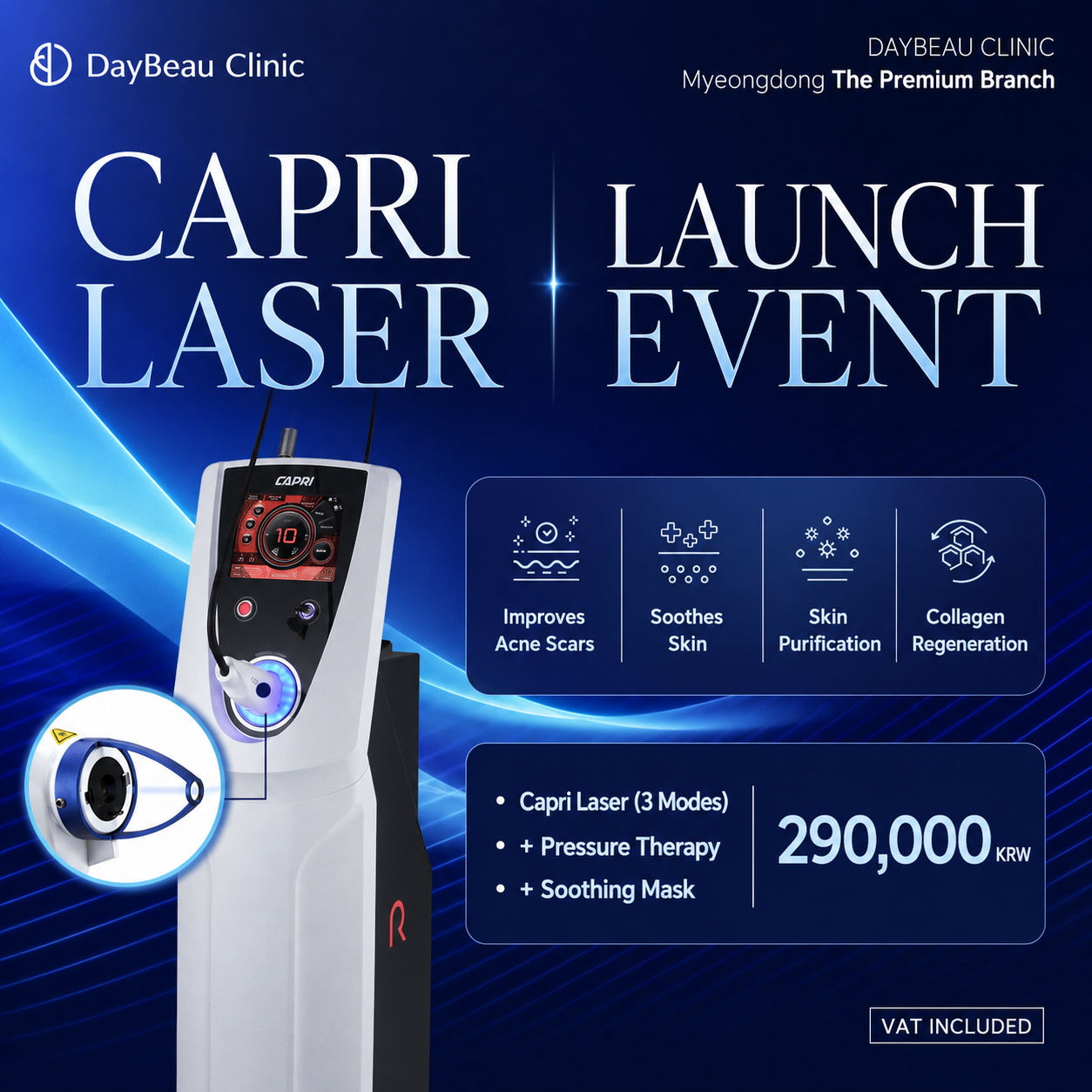
- Cosmetic laser treatment
- Scar prevention procedures
- Beauty-focused chemical peels
Coverage depends on medical necessity.
Acne Scar Treatment
Insurance usually excludes scar treatments performed solely to improve appearance.
Only severe functional or medically necessary scar management may qualify under certain policies.
RF Microneedling
Treatments such as:
- Potenza
- Sylfirm X
are frequently performed for:
- Skin rejuvenation
- Acne scars
- Wrinkles
- Pore reduction
When performed for cosmetic improvement, these procedures are generally excluded from insurance reimbursement.
Chemical Peels
Chemical peels used to improve:
- Skin tone
- Texture
- Fine lines
- Cosmetic pigmentation
are considered elective aesthetic treatments.
Insurance companies generally do not reimburse these procedures.
Combination Treatment Packages
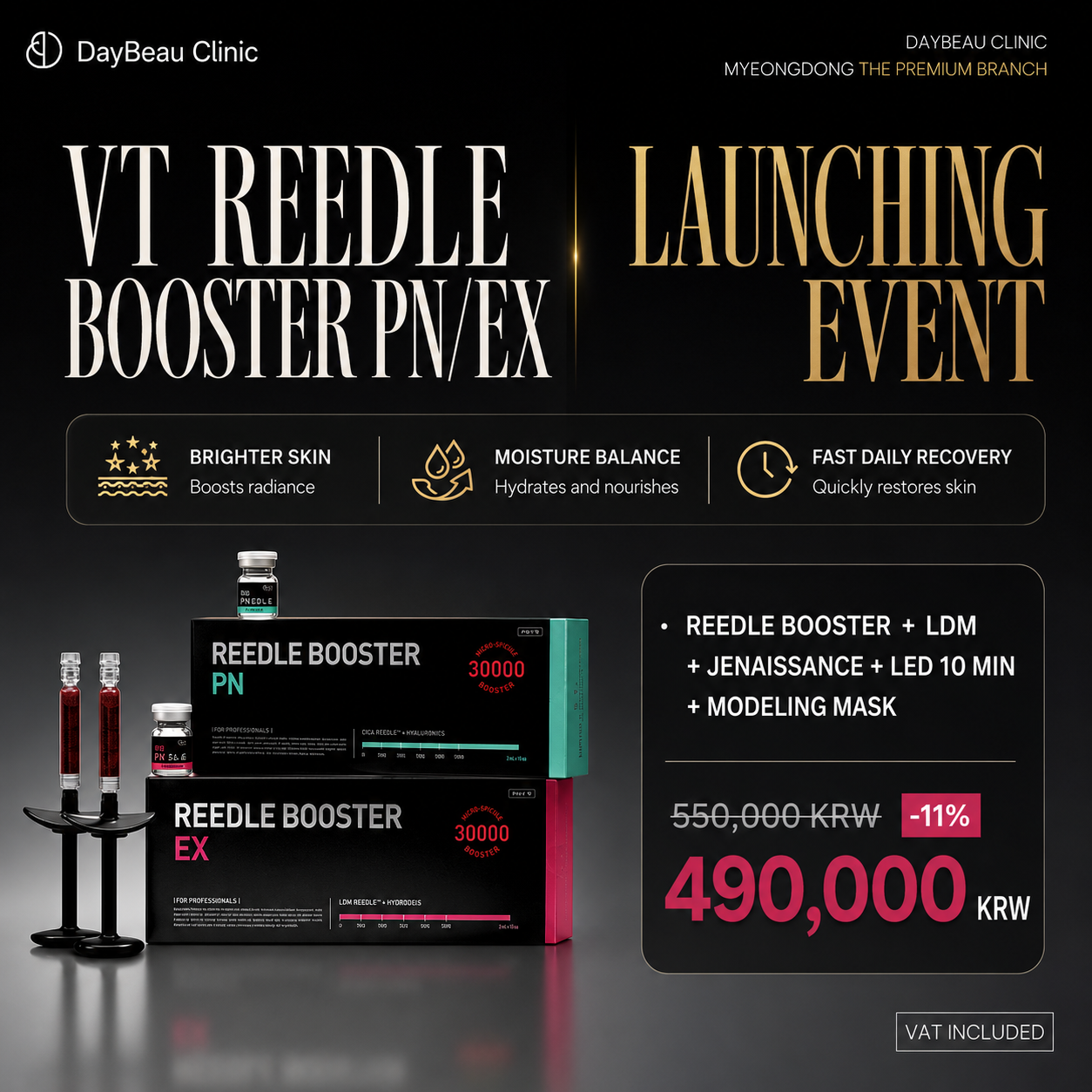
Many Korean clinics offer combination packages that include:
- Laser treatment
- Skin boosters
- HydraFacial
- LED therapy
- Cooling masks
Insurance providers rarely reimburse package pricing because these services primarily focus on cosmetic enhancement.
Premium Clinic Services
Insurance usually does not cover optional services such as:
- VIP consultation packages
- Luxury treatment rooms
- Concierge services
- Interpreter fees
- Transportation packages
- Hotel accommodation
These services are considered personal expenses.
Experimental or New Treatments
Insurance providers may exclude:
- Experimental technologies
- Newly introduced devices
- Treatments without established clinical approval
- Personalized aesthetic protocols
Patients should verify coverage before scheduling these procedures.
Travel Expenses
Even when medically necessary treatment is covered, insurance usually does not reimburse:
- Airfare
- Hotel costs
- Meals
- Tourism activities
- Local transportation
Specialized medical tourism insurance may provide limited travel benefits depending on the policy.
Follow-Up Cosmetic Care
Routine cosmetic follow-up appointments are often excluded, including:
- Maintenance Botox
- Additional fillers
- Cosmetic laser touch-ups
- Preventive anti-aging treatments
Patients should budget for ongoing maintenance independently.
Situations That May Qualify for Coverage
Medical Dermatology
Insurance is more likely to cover treatment for:
- Severe acne
- Eczema
- Psoriasis
- Rosacea
- Skin infections
- Allergic skin conditions
- Skin cancer
- Medically necessary biopsies
Coverage depends on physician diagnosis and policy terms.
Reconstructive Procedures
Some treatments performed after:
- Trauma
- Burns
- Serious accidents
- Cancer surgery
may qualify because they restore normal function rather than improve appearance.
How to Confirm What Your Insurance Covers
Contact Your Insurance Company
Ask specifically:
- Is this procedure covered?
- Is pre-authorization required?
- Are cosmetic exclusions listed?
- Which documents are required?
Obtaining written confirmation is recommended.
Ask Your Dermatologist
Many Korean dermatologists regularly treat international patients and can explain whether a procedure is typically considered cosmetic or medical.
They may also prepare supporting medical documentation when appropriate.
Tips for International Patients
Budget for Cosmetic Procedures
Patients traveling specifically for aesthetic treatments should expect to pay out of pocket unless their insurer clearly confirms coverage.
Read Your Policy Carefully
Insurance exclusions are often listed in detail.
Understanding these terms before treatment helps prevent unexpected expenses.
Keep Medical Records
Even if reimbursement is unlikely, retain:
- Receipts
- Medical reports
- Prescriptions
- Treatment summaries
These records may still be useful for future healthcare needs.
Frequently Asked Questions
Does insurance cover Botox for wrinkles?
No. Cosmetic Botox for wrinkle reduction is generally excluded.
Are fillers covered?
No. Cosmetic dermal fillers are almost always paid by the patient.
Can acne treatment be covered?
Medical acne treatment may qualify, but cosmetic acne procedures usually do not.
Is laser treatment covered?
Only when medically necessary. Cosmetic laser rejuvenation is generally excluded.
Conclusion
Most insurance policies do not cover elective cosmetic skin treatments performed in South Korea. Procedures such as Botox, dermal fillers, skin boosters, HydraFacial, Ultherapy, Thermage, Sofwave, cosmetic laser treatments, RF microneedling, and anti-aging procedures are generally considered personal aesthetic choices rather than medically necessary healthcare. However, treatments for diagnosed skin diseases, infections, severe acne, or medically necessary reconstructive care may qualify depending on your insurance policy. Before beginning treatment, international patients should carefully review their insurance coverage, confirm exclusions with their provider, and plan their budget accordingly to enjoy Korea's world-class dermatology services without unexpected financial surprises.