
Does Insurance Cover Cosmetic Skin Treatments in Korea?
Introduction
South Korea is one of the world's most popular destinations for cosmetic dermatology, welcoming international patients seeking advanced skin treatments such as Botox, dermal fillers, laser procedures, skin boosters, Ultherapy, Thermage, Pico Laser, chemical peels, RF microneedling, and many other non-surgical aesthetic treatments. Korean dermatology clinics are known for experienced specialists, cutting-edge technology, personalized treatment plans, and competitive pricing, making the country an attractive option for tourists, expats, and medical travelers.
One of the most common questions international patients ask before booking treatment is whether medical insurance will cover cosmetic skin procedures in Korea. The answer depends on the type of treatment, the purpose of the procedure, your insurance policy, and whether you are covered by Korea's National Health Insurance (NHIS), private health insurance, or travel insurance. This guide explains which cosmetic skin treatments are typically covered, which are usually excluded, and what international patients should know before planning treatment in South Korea.
Understanding Cosmetic vs. Medical Skin Treatments
What Are Cosmetic Skin Treatments?
Cosmetic skin treatments are procedures performed primarily to improve appearance rather than treat a medical condition. They are elective procedures chosen by the patient to enhance skin quality, reduce signs of aging, or improve facial aesthetics.
Common cosmetic treatments include:
- Botox
- Dermal fillers
- Skin boosters
- Rejuran
- Juvelook
- Ultherapy
- Thermage
- Sofwave
- HydraFacial
- Pico Laser for skin rejuvenation
- Chemical peels
- RF microneedling
- Laser toning
- Pigmentation treatment for cosmetic purposes
Because these procedures are considered elective, they are generally not covered by public health insurance.
What Are Medical Skin Treatments?
Medical dermatology focuses on diagnosing and treating skin diseases and medically necessary conditions.
Examples include:
- Severe acne requiring medical treatment
- Skin infections
- Eczema
- Psoriasis
- Rosacea
- Skin allergies
- Skin cancer
- Wound treatment
- Certain medically necessary scar treatments
Insurance is more likely to cover these treatments because they address recognized medical conditions.
Does Korea's National Health Insurance (NHIS) Cover Cosmetic Treatments?
Cosmetic Procedures Are Usually Not Covered
The National Health Insurance Service (NHIS) primarily covers medically necessary healthcare.
Elective aesthetic procedures performed solely to improve appearance are generally excluded from coverage.
This means NHIS usually does not pay for:
- Botox for wrinkles
- Cosmetic fillers
- Skin rejuvenation lasers
- Anti-aging treatments
- Skin tightening procedures
- Hydrating facial treatments
Patients are responsible for the full treatment cost.
Medical Exceptions
In certain situations, similar procedures may receive partial coverage if performed for medical reasons rather than cosmetic purposes.
Examples may include:
- Botox for excessive sweating (hyperhidrosis)
- Botox for muscle disorders
- Laser treatment for certain medical skin conditions
- Scar treatment following serious injuries
- Reconstruction after trauma
Coverage depends on medical necessity and physician documentation.
Does Private Health Insurance Cover Cosmetic Treatments?
Standard Private Insurance
Most private health insurance policies also exclude purely cosmetic procedures.
If treatment is performed only to improve appearance, reimbursement is generally unavailable.
Patients should carefully review their policy before scheduling treatment.
Medically Necessary Procedures
Some private insurers may provide reimbursement when treatment addresses a documented medical condition.
Coverage depends on:
- Medical diagnosis
- Physician recommendation
- Policy terms
- Insurance company guidelines
Prior authorization may be required.
Supplemental Insurance
Certain supplemental insurance plans reimburse expenses remaining after NHIS payments, but cosmetic procedures remain excluded in most cases.
Does Travel Insurance Cover Cosmetic Skin Treatments?
Planned Cosmetic Procedures
Standard travel insurance rarely covers planned cosmetic treatments.
This includes:
- Botox
- Fillers
- Skin boosters
- Laser procedures
- Anti-aging treatments
- Cosmetic dermatology consultations
Medical tourists should expect to pay for these treatments themselves.
Emergency Medical Care
Travel insurance usually covers unexpected medical emergencies occurring during your trip, such as:
- Accidental injuries
- Unexpected illness
- Emergency hospitalization
- Emergency surgery
- Ambulance transportation
However, treatment complications resulting from elective cosmetic procedures are often excluded.
Specialized Medical Tourism Insurance
Some insurers offer medical tourism policies that may provide limited protection for complications related to planned medical procedures.
Coverage varies significantly between providers.
Common Cosmetic Treatments That Usually Are NOT Covered
Botox
Botox performed to reduce wrinkles or prevent facial aging is considered cosmetic and is generally not covered.
Dermal Fillers
Lip fillers, cheek fillers, chin fillers, jawline enhancement, and similar aesthetic procedures are usually excluded.
Skin Boosters
Popular injectable treatments such as:
- Rejuran
- Juvelook
- Hyaluronic acid skin boosters
are considered elective cosmetic procedures.
Laser Skin Rejuvenation
Laser treatments performed for:
- Skin brightening
- Fine lines
- Enlarged pores
- General rejuvenation
are usually not covered.
Skin Tightening Procedures
Treatments such as:
- Ultherapy
- Thermage
- Sofwave
are cosmetic anti-aging procedures and are typically paid entirely by the patient.
HydraFacial
HydraFacial is considered a cosmetic facial treatment rather than medically necessary care.
Cosmetic Procedures That May Have Medical Exceptions
Acne Treatment
Active acne requiring medical management may receive insurance coverage when prescribed as treatment for a diagnosed skin condition.
However, cosmetic acne treatments intended mainly for appearance improvement may not qualify.
Acne Scar Treatment
Insurance coverage for acne scar treatment is uncommon.
Only severe functional or medically necessary scar management may receive consideration.
Laser Treatment for Medical Conditions
Lasers used to treat:
- Vascular abnormalities
- Certain birthmarks
- Medically significant skin disorders
may receive partial insurance coverage depending on the diagnosis.
Why Cosmetic Treatments Are Usually Excluded
Insurance companies generally distinguish between:
Medical Necessity
Treatments that diagnose, prevent, or treat disease.
Cosmetic Improvement
Treatments performed primarily to improve appearance.
Since cosmetic procedures are elective rather than medically necessary, they are usually excluded from reimbursement.
Paying for Cosmetic Skin Treatments in Korea
Since insurance rarely covers cosmetic dermatology, most patients pay directly.
Common payment methods include:
- Credit cards
- Debit cards
- Cash
- International cards
- Bank transfers
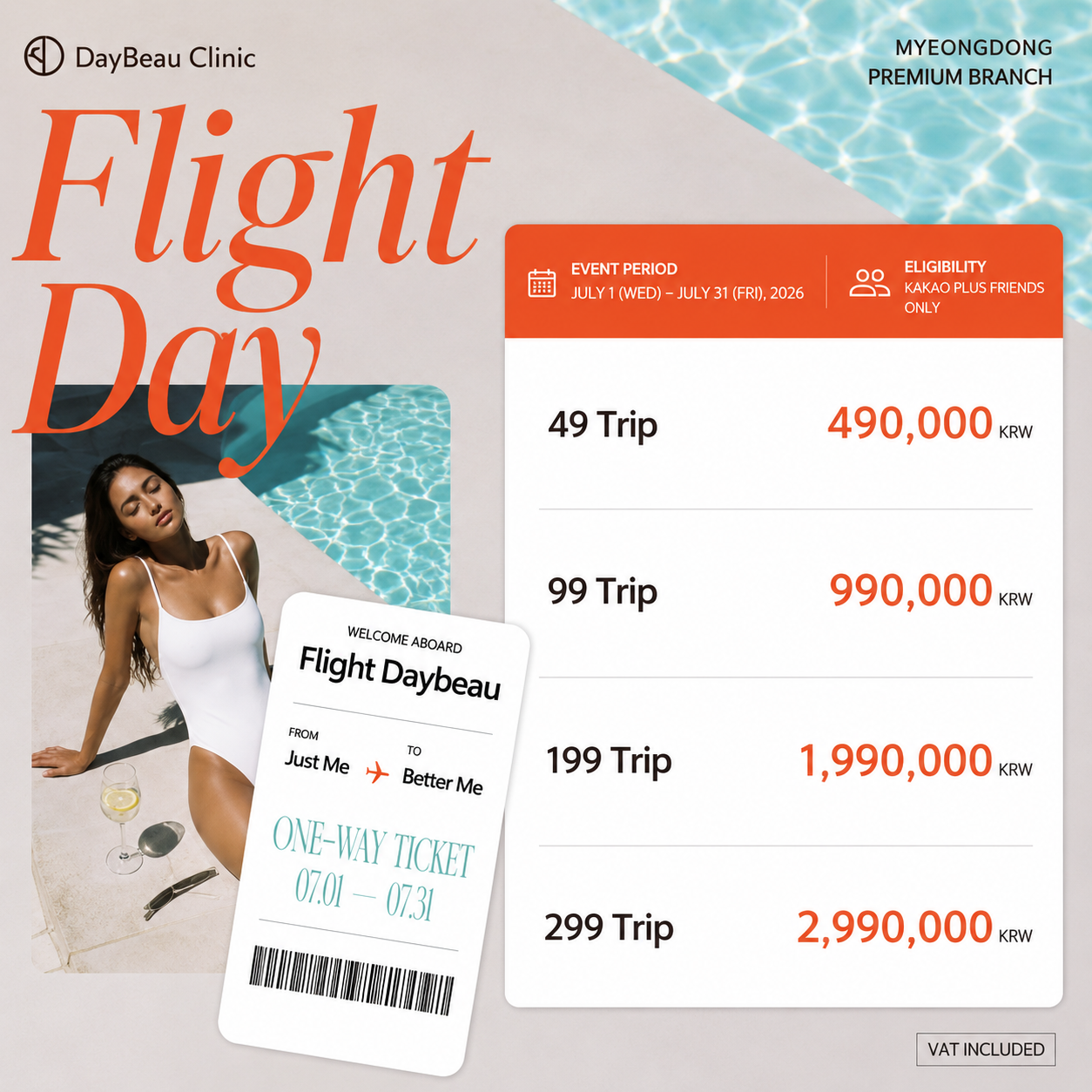
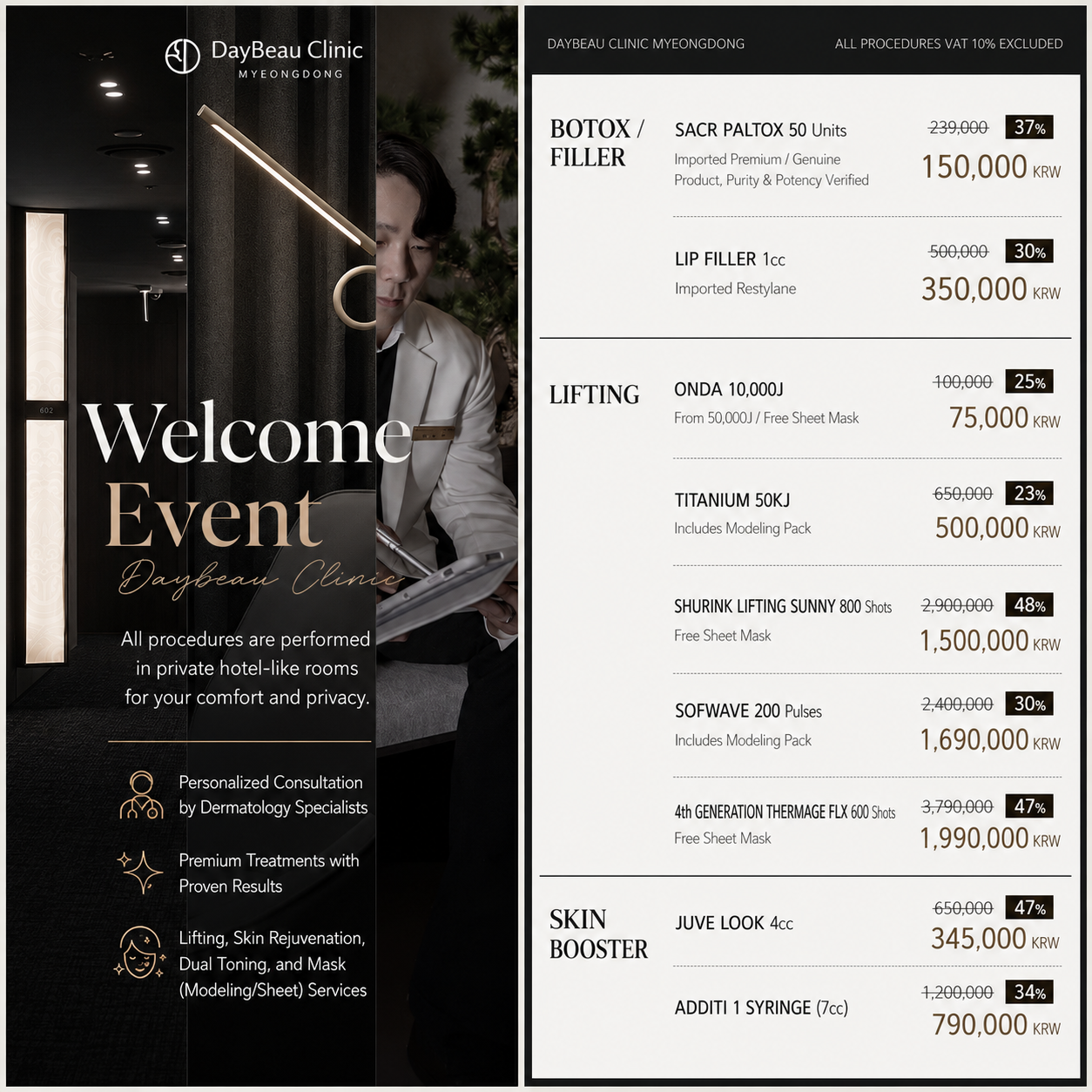
Many clinics also provide package pricing for multiple treatments.
How to Confirm Insurance Coverage
Before scheduling treatment, patients should:
Contact Their Insurance Company
Ask specifically whether the planned treatment is covered.
Request Written Confirmation
Verbal answers may not be sufficient if reimbursement disputes arise later.
Discuss Medical Documentation
If treatment has a medical purpose, your dermatologist may provide documentation supporting medical necessity.
Tips for Medical Tourists
Budget for Cosmetic Treatments
Assume cosmetic procedures will not be covered unless your insurer confirms otherwise.
Compare Clinics
Instead of choosing only the lowest price, compare:
- Doctor experience
- Clinic reputation
- Technology
- Treatment quality
- Aftercare
Understand Package Pricing
Many Korean dermatology clinics offer discounted packages combining multiple cosmetic procedures.
These packages often provide better value than individual treatments.
Frequently Asked Questions
Does NHIS cover Botox for wrinkles?
No. Botox used for cosmetic wrinkle reduction is generally not covered.
Are fillers covered by insurance?
No. Cosmetic dermal fillers are usually excluded from both public and private insurance.
Can acne treatment be covered?
Medical acne treatment may qualify for insurance depending on the diagnosis, while cosmetic acne procedures generally do not.
Should medical tourists buy travel insurance?
Yes. Although travel insurance usually does not cover cosmetic procedures, it remains valuable for emergency medical treatment, travel disruptions, and unexpected illnesses.
Conclusion
Most cosmetic skin treatments in South Korea are considered elective procedures and are therefore not covered by Korea's National Health Insurance, standard private health insurance, or ordinary travel insurance. Treatments such as Botox, dermal fillers, skin boosters, laser rejuvenation, Ultherapy, Thermage, Sofwave, HydraFacial, and other aesthetic procedures are generally paid out of pocket by the patient. However, treatments performed for genuine medical conditions may qualify for insurance coverage depending on the diagnosis and insurance policy. Before beginning treatment, international patients should verify their insurance benefits, understand potential exclusions, and budget appropriately so they can enjoy Korea's world-renowned cosmetic dermatology services with confidence and without unexpected financial surprises.