
Using International Health Insurance at Korean Skin Clinics
Introduction
South Korea has become one of the world's leading destinations for dermatology and cosmetic skin treatments, attracting international patients seeking high-quality care at competitive prices. Every year, visitors travel to Korea for acne treatment, laser procedures, skin boosters, Botox, dermal fillers, anti-aging treatments, pigmentation therapy, and advanced dermatology services. While many patients focus on choosing the right clinic and treatment, understanding how international health insurance works at Korean skin clinics is equally important.
International health insurance can provide valuable financial protection, but coverage varies significantly depending on your insurance provider, policy terms, and the type of treatment you receive. Some medically necessary dermatology services may qualify for reimbursement, while elective cosmetic procedures are usually excluded. This guide explains how international health insurance works in Korean skin clinics, what treatments may be covered, common exclusions, how to submit claims, and practical tips for international patients and expats.
What Is International Health Insurance?
Understanding International Health Insurance
International health insurance is a private medical insurance policy designed to provide healthcare coverage while living, working, or traveling outside your home country. Unlike travel insurance, which mainly covers emergencies during short trips, international health insurance is intended for ongoing medical care and often provides broader healthcare benefits.
Many expatriates, digital nomads, international students, overseas employees, and long-term travelers use international health insurance while living abroad.
How It Differs from Travel Insurance
Travel insurance generally focuses on:
- Emergency medical treatment
- Hospitalization
- Emergency evacuation
- Trip cancellation
- Lost baggage
International health insurance typically provides broader coverage, including:
- Doctor consultations
- Specialist visits
- Diagnostic testing
- Hospital admission
- Surgery
- Long-term medical care
- Prescription medication
Coverage depends on the insurance provider and policy selected.
Can International Health Insurance Be Used at Korean Skin Clinics?
Yes, But Coverage Depends on the Treatment
Many Korean dermatology clinics accept international patients, but insurance coverage depends on whether your treatment is considered medically necessary or cosmetic.
Before scheduling treatment, patients should confirm:
- Whether the clinic accepts international insurance
- Whether direct billing is available
- Whether reimbursement claims are required
- Which treatments qualify under their policy
Not every clinic works directly with international insurance companies.
Direct Billing vs. Reimbursement
Some international hospitals and larger dermatology centers offer direct billing arrangements with selected insurance providers.
In these cases, the clinic bills the insurance company directly, reducing the amount patients pay upfront.
Many skin clinics, however, require patients to:
- Pay for treatment.
- Collect medical documents.
- Submit reimbursement claims to their insurance company after returning home.
Which Skin Treatments May Be Covered?
Medical Dermatology
Insurance is more likely to cover treatments for diagnosed medical conditions, including:
- Severe acne
- Eczema
- Psoriasis
- Rosacea
- Skin infections
- Allergic skin conditions
- Certain inflammatory skin diseases
- Medically necessary scar treatment
Coverage usually requires a physician's diagnosis and supporting medical documentation.
Skin Cancer Treatment
Medical insurance commonly covers medically necessary evaluation and treatment of skin cancer, including:
- Diagnosis
- Biopsy
- Surgical removal
- Follow-up care
Coverage depends on policy terms.
Prescription Medication
Prescription creams or medications prescribed to treat medical skin conditions are frequently covered under international health insurance.
Patients should retain prescriptions and receipts for reimbursement.
Cosmetic Treatments Usually Not Covered
Botox
Botox performed for wrinkle reduction or cosmetic enhancement is generally excluded.
However, Botox prescribed for certain medical conditions, such as excessive sweating or muscle disorders, may qualify depending on the policy.
Dermal Fillers
Cosmetic fillers used for facial enhancement are almost always considered elective procedures and are typically not covered.
Laser Skin Rejuvenation
Laser treatments performed for:
- Anti-aging
- Brightening
- Skin texture improvement
- Cosmetic pigmentation correction
are generally excluded.
Skin Boosters
Injectable treatments such as:
- Rejuran
- Juvelook
- Hyaluronic acid skin boosters
are cosmetic procedures and usually require out-of-pocket payment.
HydraFacial
HydraFacial is considered a cosmetic facial treatment rather than medically necessary healthcare.
Insurance rarely reimburses this procedure.
Skin Tightening Procedures
Treatments including:
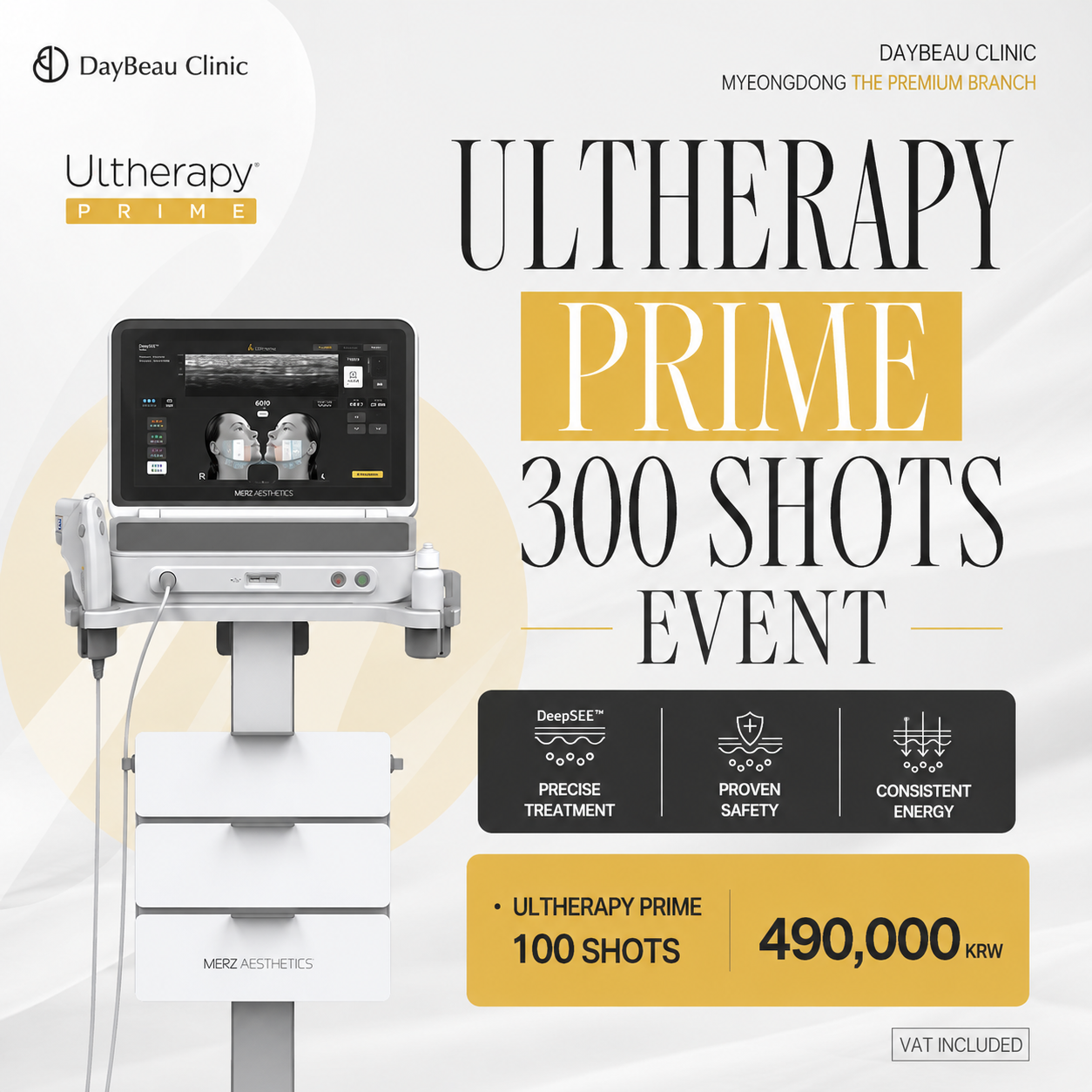
- Ultherapy
- Thermage
- Sofwave
are elective anti-aging procedures that are generally not covered.
What Determines Insurance Coverage?
Medical Necessity
Insurance companies usually distinguish between:
- Medically necessary treatment
- Elective cosmetic treatment
Medical necessity significantly increases the likelihood of reimbursement.
Doctor's Diagnosis
Insurance providers often require documentation from a dermatologist confirming the diagnosis and treatment plan.
Policy Terms
Every insurance policy has different:
- Coverage limits
- Exclusions
- Deductibles
- Waiting periods
- Reimbursement rules
Patients should review these details carefully.
Documents Needed for Insurance Claims
Most insurers require:
Medical Receipt
An official receipt showing treatment costs.
Medical Report
A physician's report explaining the diagnosis and treatment provided.
Prescription Records
Receipts for prescribed medications.
Insurance Claim Form
Completed according to your insurer's instructions.
Payment Confirmation
Proof that treatment was paid.
Keeping organized documentation simplifies reimbursement.
Tips Before Visiting a Korean Skin Clinic
Contact Your Insurance Provider
Ask:
- Is this treatment covered?
- Is pre-authorization required?
- What documents are needed?
- Are there reimbursement limits?
Obtaining written confirmation is recommended.
Contact the Clinic
Ask the clinic whether they:
- Accept international insurance
- Offer English documentation
- Provide medical reports
- Assist with insurance paperwork
Many clinics serving international patients are familiar with insurance claims.
Budget for Cosmetic Procedures
Patients seeking cosmetic dermatology should generally expect to pay the full treatment cost themselves unless their insurer confirms otherwise.
Common Challenges
Language Differences
Most major dermatology clinics provide English-speaking coordinators, but smaller clinics may not.
Patients requesting insurance documentation should confirm language availability before treatment.
Different Insurance Policies
Coverage differs greatly between providers.
Even two policies from the same company may cover different services.
Reimbursement Delays
Insurance reimbursement may take several weeks depending on:
- Documentation quality
- Claim complexity
- Insurance company processing times
Keeping complete records helps reduce delays.
Frequently Asked Questions
Can I use international health insurance at Korean dermatology clinics?
Yes, but reimbursement depends on your insurance policy and whether the treatment is medically necessary.
Does international insurance cover Botox?
Cosmetic Botox is generally excluded, while medically necessary Botox may qualify depending on the policy.
Are acne treatments covered?
Medical acne treatment prescribed by a dermatologist may be covered, while cosmetic acne procedures often are not.
Do clinics bill insurance directly?
Some larger hospitals and international clinics offer direct billing, but many dermatology clinics require patients to submit reimbursement claims themselves.
Conclusion
International health insurance can help reduce healthcare costs at Korean skin clinics when treatment is medically necessary, but coverage depends on your insurance provider, policy terms, and the nature of the procedure. While treatments for diagnosed skin conditions may qualify for reimbursement, cosmetic procedures such as Botox, dermal fillers, skin boosters, laser rejuvenation, Ultherapy, Thermage, and HydraFacial are generally excluded from insurance coverage. Before beginning treatment, international patients should confirm their insurance benefits, communicate with both the clinic and insurer, keep detailed medical documentation, and understand reimbursement requirements. Proper planning allows patients to enjoy Korea's world-class dermatology services while avoiding unexpected financial surprises.