
Why Choosing a Board-Certified Dermatologist Matters in Korea
Introduction
South Korea is internationally recognized as a global leader in cosmetic dermatology, aesthetic medicine, and skincare innovation. Every year, thousands of international patients travel to Seoul and other Korean cities for procedures such as Pico Laser, Rejuran, Botox, fillers, anti-aging treatments, acne scar therapy, and skin rejuvenation. While Korea offers many excellent dermatology clinics, not every clinic is staffed by a board-certified dermatologist. Understanding this distinction is one of the most important steps in planning a safe and successful medical tourism experience.
A board-certified dermatologist has completed specialized medical training in diagnosing and treating diseases of the skin, hair, and nails, in addition to aesthetic procedures. For international patients, choosing a qualified dermatologist can improve treatment planning, reduce unnecessary risks, and ensure that cosmetic recommendations are based on medical expertise rather than marketing alone. While many cosmetic clinics provide aesthetic services, board certification indicates a recognized level of specialty training in dermatology.
This guide explains what board certification means in Korea, why it matters for cosmetic dermatology, how it differs from general cosmetic practice, and how international patients can make informed decisions when selecting a skin clinic.
What Is a Board-Certified Dermatologist?
Specialized Medical Training
A board-certified dermatologist is a physician who has completed formal training in dermatology after medical school and fulfilled the requirements established by the relevant professional certification authority.
Their education generally includes:
- Medical school
- Dermatology residency training
- Clinical experience in skin diseases
- Specialty examinations
- Ongoing professional education
This training focuses on both medical dermatology and cosmetic dermatology.
Expertise Beyond Cosmetic Procedures
Board-certified dermatologists are trained to diagnose and manage:
- Skin diseases
- Pigmentation disorders
- Acne
- Rosacea
- Psoriasis
- Eczema
- Skin infections
- Hair disorders
- Nail conditions
They also perform aesthetic procedures using medical judgment based on each patient's skin condition.
Why Board Certification Matters
More Accurate Skin Diagnosis
Many skin concerns look similar but require different treatments.
For example:
- Melasma and post-inflammatory pigmentation
- Freckles and lentigines
- Acne scars and enlarged pores
- Rosacea and sensitive skin
A board-certified dermatologist is trained to distinguish between these conditions before recommending treatment.
Personalized Treatment Plans
Rather than recommending the same procedure for everyone, qualified dermatologists evaluate:
- Skin type
- Medical history
- Lifestyle
- Previous treatments
- Cosmetic goals
This helps create individualized treatment plans.
Better Treatment Safety
Safety is especially important for international patients.
A board-certified dermatologist considers:
- Allergies
- Current medications
- Medical conditions
- Pregnancy
- Previous cosmetic procedures
- Skin sensitivity
These factors influence which procedures are appropriate.
Cosmetic Clinics vs Board-Certified Dermatologists
Cosmetic Clinics
Some aesthetic clinics primarily focus on cosmetic procedures.
Services may include:
- Botox
- Fillers
- Skin boosters
- Laser treatments
However, qualifications and medical training may vary depending on the clinic and practitioners.
Board-Certified Dermatologists
Board-certified dermatologists combine:
- Medical expertise
- Cosmetic knowledge
- Skin disease diagnosis
- Long-term skin management
This comprehensive approach is especially valuable for patients with complex skin concerns.
Popular Treatments Performed by Board-Certified Dermatologists
Pico Laser
Common indications include:
- Pigmentation
- Freckles
- Sun damage
- Melasma
- Uneven skin tone
Treatment recommendations are based on the specific cause of pigmentation.
Acne Treatment
Acne management may involve:
- Medical therapy
- Laser treatments
- Acne scar procedures
- Skincare planning
Board-certified dermatologists can distinguish between different acne types before recommending treatment.
Rejuran and Skin Boosters
These procedures may be recommended for:
- Hydration
- Skin elasticity
- Fine lines
- Skin quality
Treatment plans are adjusted according to skin condition and patient expectations.
Botox and Fillers
Qualified dermatologists evaluate:
- Facial anatomy
- Muscle activity
- Facial balance
This helps achieve natural-looking results.
Anti-Aging Procedures
Common options include:
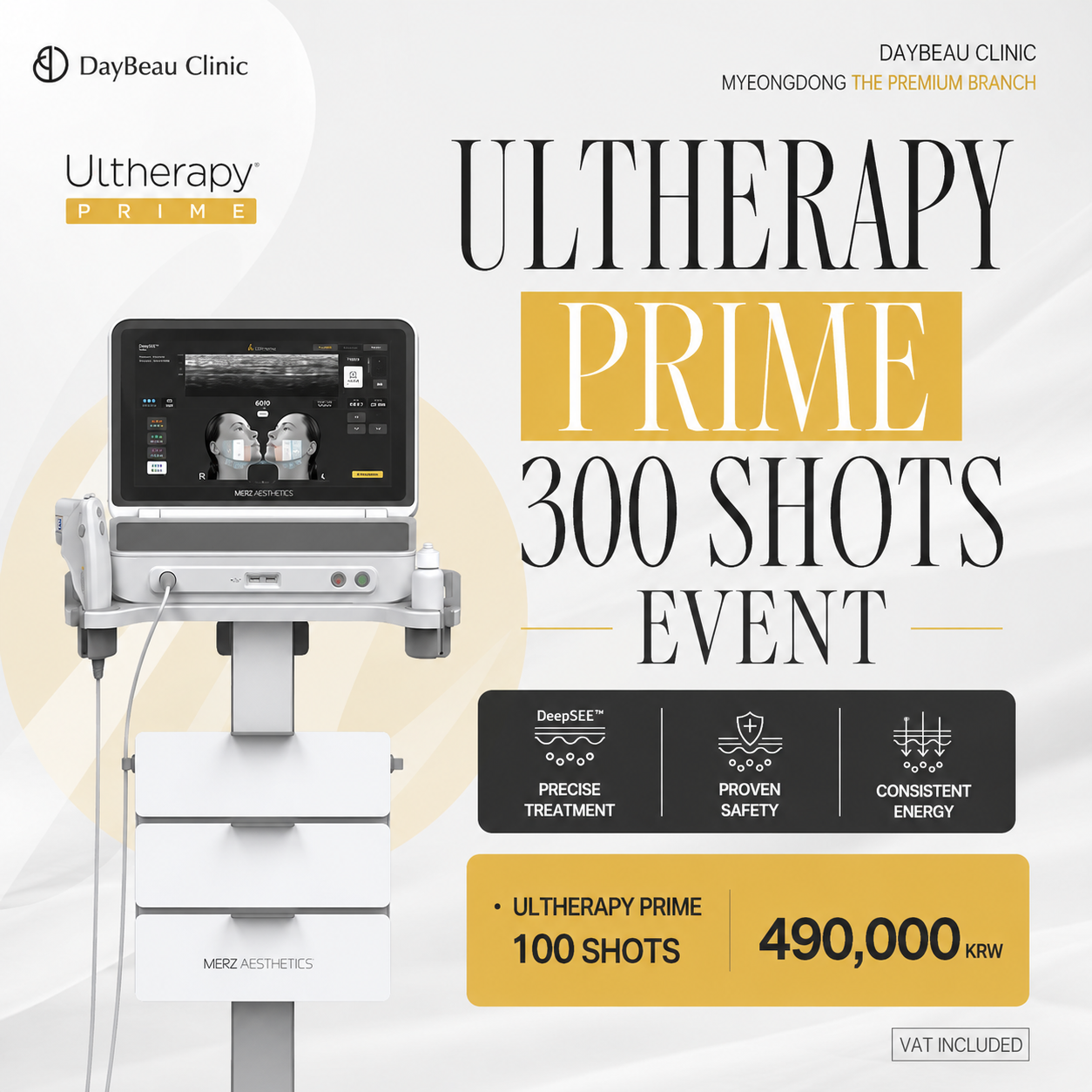
- Ultherapy
- Thermage FLX
- RF lifting
- Combination treatments
The choice depends on skin laxity, age, and cosmetic goals.
Benefits for International Patients
Better Communication During Consultation
Experienced dermatologists often provide detailed explanations about:
- Diagnosis
- Treatment options
- Expected outcomes
- Downtime
- Risks
- Maintenance
Many clinics serving international patients also offer English-speaking coordinators or interpretation services.
Long-Term Skin Health
A board-certified dermatologist considers both:
- Cosmetic improvement
- Overall skin health
For example, if pigmentation appears suspicious or if another medical skin condition is identified, further evaluation may be recommended before cosmetic treatment.
More Conservative Recommendations
Rather than encouraging unnecessary procedures, qualified dermatologists often recommend only treatments that are appropriate for the patient.
This helps avoid excessive treatment.
How to Verify a Dermatologist
Check Professional Credentials
Before booking, look for information regarding:
- Dermatology specialization
- Board certification
- Clinical experience
- Professional memberships
Many reputable clinics provide physician profiles on their websites.
Read Clinic Information Carefully
Consider:
- Doctor biographies
- Clinic history
- Treatment focus
- Consultation process
Avoid relying only on promotional advertising.
Questions to Ask During Consultation
Helpful questions include:
- What is my exact skin condition?
- Why do you recommend this treatment?
- Are there alternatives?
- How many sessions are needed?
- What are the possible side effects?
- What results should I realistically expect?
Good consultations encourage informed decision-making.
Situations Where Board-Certified Expertise Is Especially Important
Melasma
Melasma often requires careful diagnosis because aggressive laser treatment may not always be appropriate.
Acne Scars
Different scar types may require:
- Subcision
- Fractional Laser
- RF Microneedling
- TCA CROSS
- Combination therapy
Treatment should match scar type.
Sensitive Skin
Patients with:
- Rosacea
- Chronic redness
- Eczema
- Reactive skin
often benefit from specialist evaluation before cosmetic procedures.
Anti-Aging Planning
Rather than recommending a single treatment, dermatologists frequently combine multiple approaches based on individual aging patterns.
Common Misunderstandings
All Skin Clinics Are the Same
Different clinics may have:
- Different physician qualifications
- Different treatment philosophies
- Different technologies
- Different consultation approaches
Patients should research carefully before choosing a provider.
More Treatments Mean Better Results
Not necessarily.
A board-certified dermatologist may recommend:
- Fewer procedures
- Gradual improvement
- Combination treatments only when medically appropriate
Tips for Medical Tourists
Research Before Arrival
Before traveling:
- Compare clinics
- Read physician profiles
- Book consultations early
Bring Medical Information
Useful information includes:
- Current medications
- Allergy history
- Previous cosmetic procedures
Focus on Expertise Rather Than Price Alone
Choosing a clinic based only on low cost may not provide the best overall experience.
Medical expertise should remain a primary consideration.
Frequently Asked Questions
What does board-certified dermatologist mean?
It generally refers to a physician who has completed recognized specialty training and certification in dermatology.
Why should international patients choose a board-certified dermatologist?
They provide specialized knowledge in diagnosing skin conditions, developing personalized treatment plans, and performing cosmetic procedures safely.
Can board-certified dermatologists perform cosmetic treatments?
Yes. Many perform laser treatments, injectables, skin boosters, acne scar procedures, and anti-aging treatments in addition to treating medical skin conditions.
Are board-certified dermatologists available in Seoul?
Yes. Seoul has many dermatology specialists working in both medical and cosmetic dermatology clinics.
Is board certification more important than clinic popularity?
Both reputation and physician qualifications matter. Patients should evaluate the clinic, the treating physician, and the consultation process together.
Conclusion
Choosing a board-certified dermatologist is one of the most important decisions international patients can make when seeking cosmetic dermatology in Korea. Specialized dermatology training supports more accurate diagnosis, individualized treatment planning, and safer cosmetic care while also considering long-term skin health.
Whether you are interested in Pico Laser, Botox, Rejuran, acne scar treatment, skin rejuvenation, or anti-aging procedures, selecting a qualified dermatologist helps ensure that recommendations are based on medical expertise and your individual skin needs. With careful research and a thorough consultation, international visitors can enjoy Korea’s world-class cosmetic dermatology services with greater confidence and peace of mind.