
Best Time to Fly Home From Korea After Cosmetic Skin Treatments
Introduction
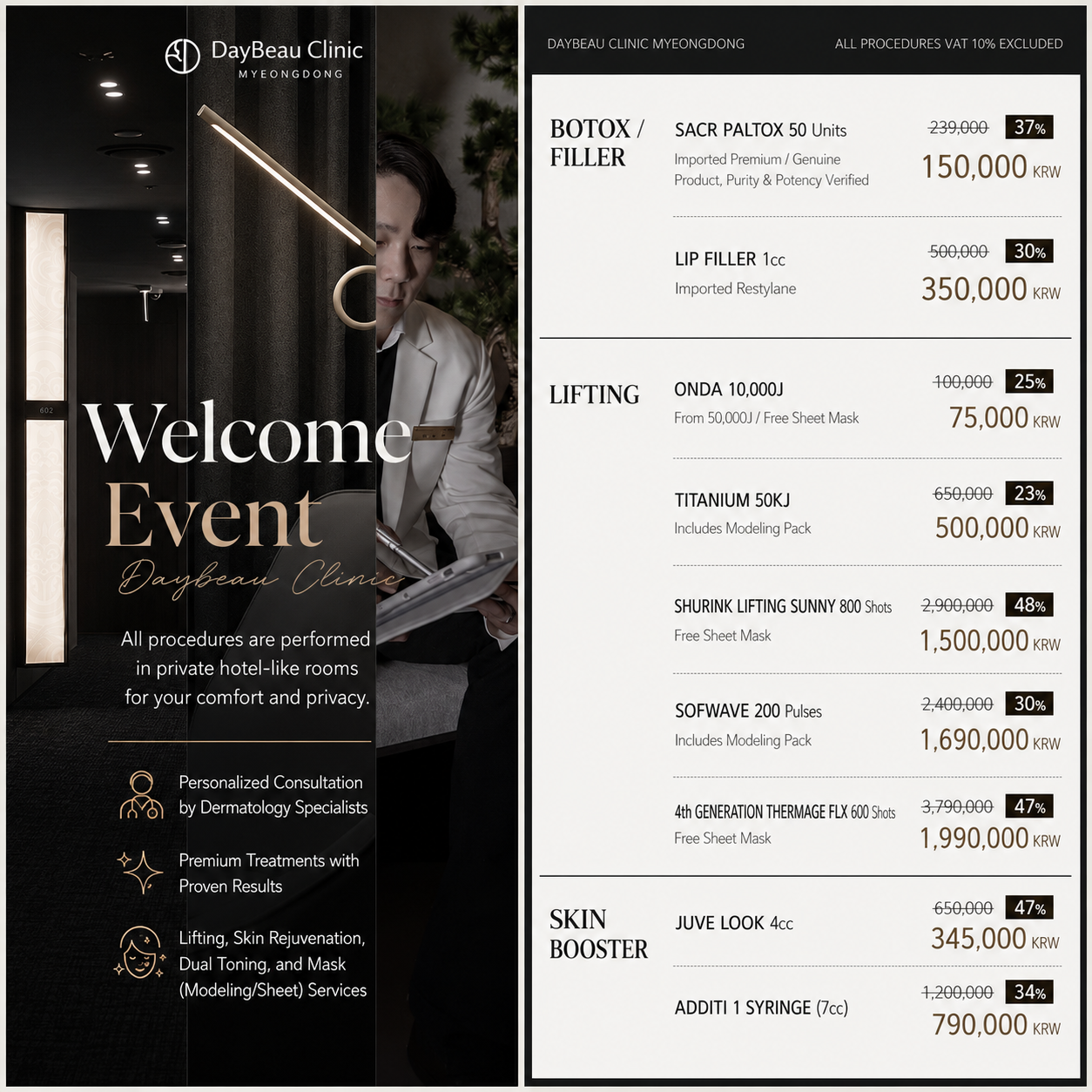
South Korea has become one of the world's leading destinations for cosmetic dermatology, attracting international patients seeking advanced skin rejuvenation, anti-aging procedures, pigmentation correction, acne treatments, and minimally invasive aesthetic procedures. Many visitors schedule treatments such as Botox, dermal fillers, Rejuran, skin boosters, Pico laser, CO2 laser, Ultherapy, Thermage, Sofwave, and acne scar treatments during short trips to Seoul before returning home.
One of the most common questions international patients ask is, "When is the best time to fly home after my treatment?" Although most cosmetic skin procedures are non-surgical and generally compatible with air travel, the ideal departure time depends on the type of treatment you received, your skin's recovery, and whether you need follow-up appointments before leaving Korea.
This guide explains the best time to fly home after cosmetic skin treatments in Korea, helping international patients plan a safe, comfortable, and successful recovery.
Why Timing Your Flight Matters
Recovery Continues After Treatment
Many cosmetic treatments continue working after you leave the clinic. Laser procedures stimulate skin renewal, while collagen-stimulating treatments such as Ultherapy, Thermage, and Sofwave gradually improve skin firmness over several months.
Allowing your skin some recovery time before a long flight can improve comfort during travel.
Early Side Effects May Develop
Some treatments cause temporary redness, swelling, dryness, bruising, or mild discomfort during the first few days.
Remaining in Korea briefly allows your dermatologist to monitor these normal reactions if necessary.
Follow-Up Visits May Be Recommended
Some dermatology clinics schedule follow-up appointments to evaluate healing and answer questions before international patients return home.
These appointments provide reassurance that your recovery is progressing normally.
Travel Becomes More Comfortable
Although flying itself rarely affects cosmetic treatment results, traveling after the initial recovery period is often more comfortable because visible redness and swelling have begun to improve.
General Recommendation for Most Treatments
Stay at Least One to Three Days
For many non-invasive cosmetic procedures, staying in Korea for one to three days after treatment is a practical recommendation.
This allows your skin to begin healing while giving you time to contact your clinic if unexpected concerns arise.
Longer Stays May Be Beneficial
Patients receiving multiple procedures or more intensive laser treatments often benefit from remaining in Korea for several additional days.
This allows for improved comfort, better monitoring, and possible follow-up care.
Every Patient Is Different
Recovery varies according to age, skin sensitivity, treatment intensity, and individual healing.
Always follow your dermatologist's personalized recommendations rather than relying solely on general timelines.
Avoid Rushing to the Airport
Scheduling treatment immediately before an international flight may increase travel stress.
Whenever possible, leave sufficient time between your appointment and your departure.
Recommended Flight Timing by Treatment
Botox
Botox patients can usually fly on the same day or within 24 hours after treatment.
Many dermatologists recommend remaining upright for several hours after injections and avoiding vigorous exercise immediately afterward.
Dermal Fillers
Many patients safely fly within one to two days after filler treatment.
Waiting until initial swelling improves often makes long flights more comfortable.
Rejuran and Skin Boosters
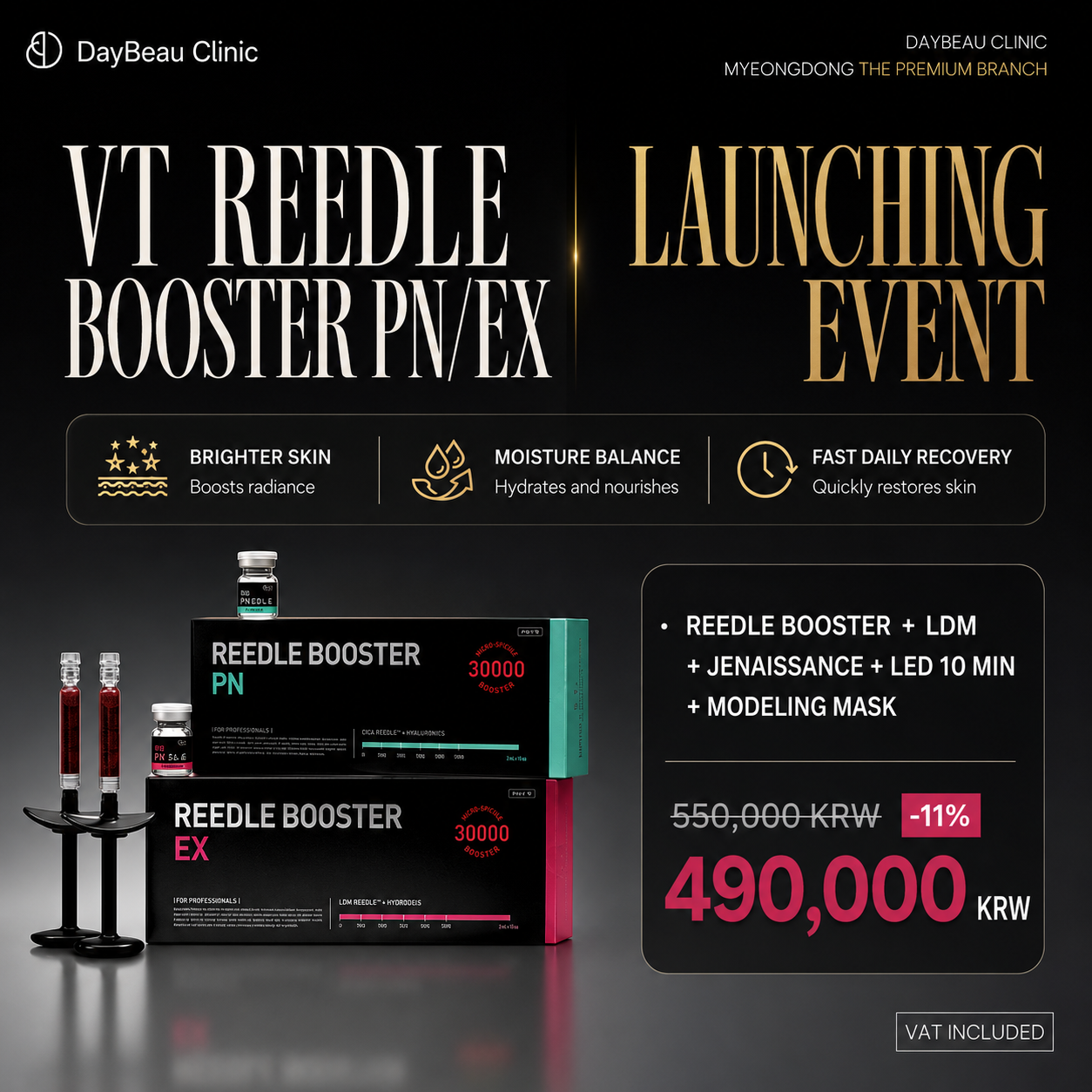
Rejuran and skin booster treatments commonly cause small injection marks and mild swelling that usually improve within a few days.
Remaining in Korea for one to three days allows the skin to begin healing before travel.
Pico Laser
Most patients can safely travel within one or two days after Pico laser treatment.
Those receiving intensive pigmentation treatments may prefer allowing additional recovery time if visible redness or temporary darkening occurs.
CO2 Laser
CO2 laser resurfacing typically requires a longer recovery period than gentler laser treatments.
Depending on treatment depth, remaining in Korea for several days—or longer if advised by your dermatologist—may provide a more comfortable recovery.
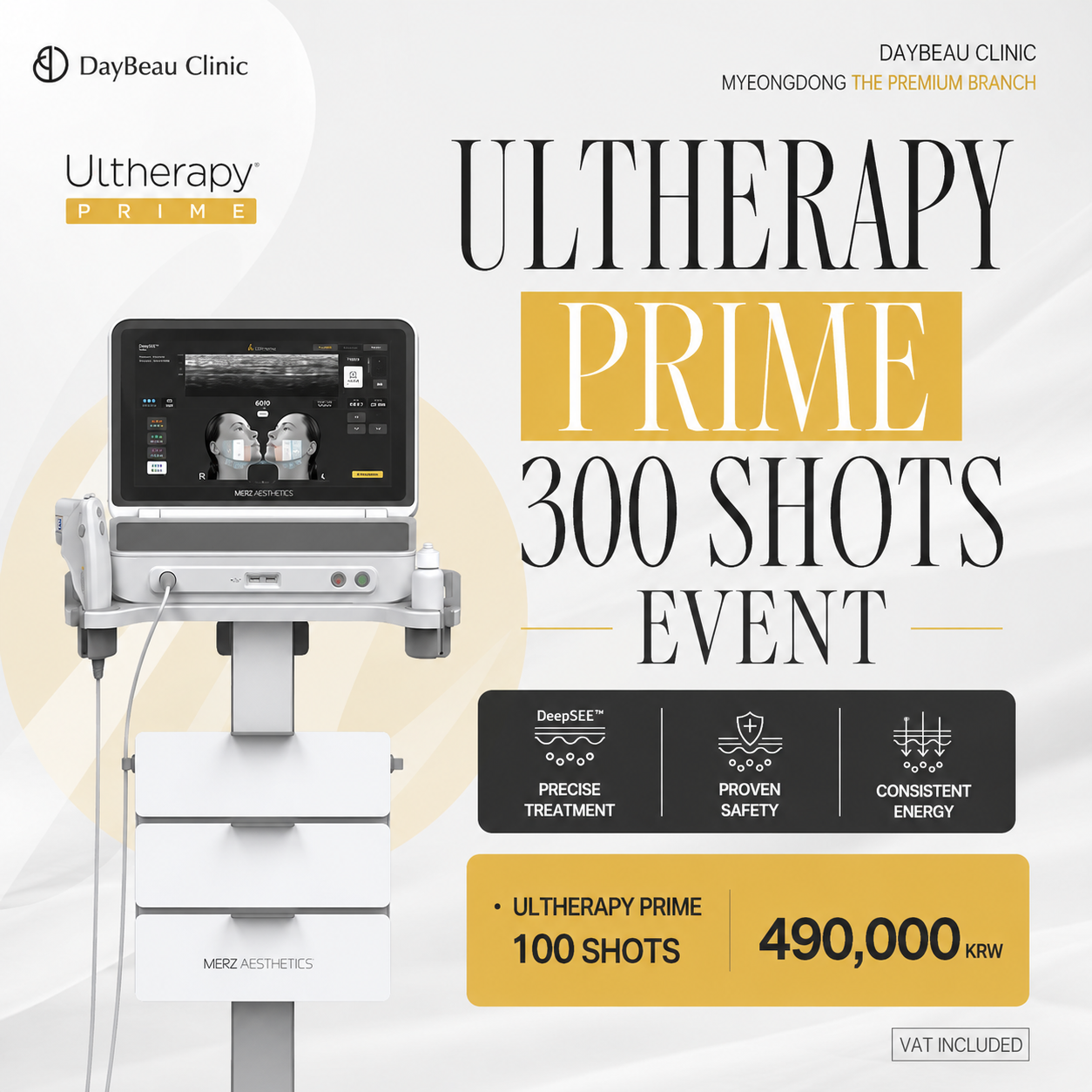
Ultherapy, Thermage, and Sofwave
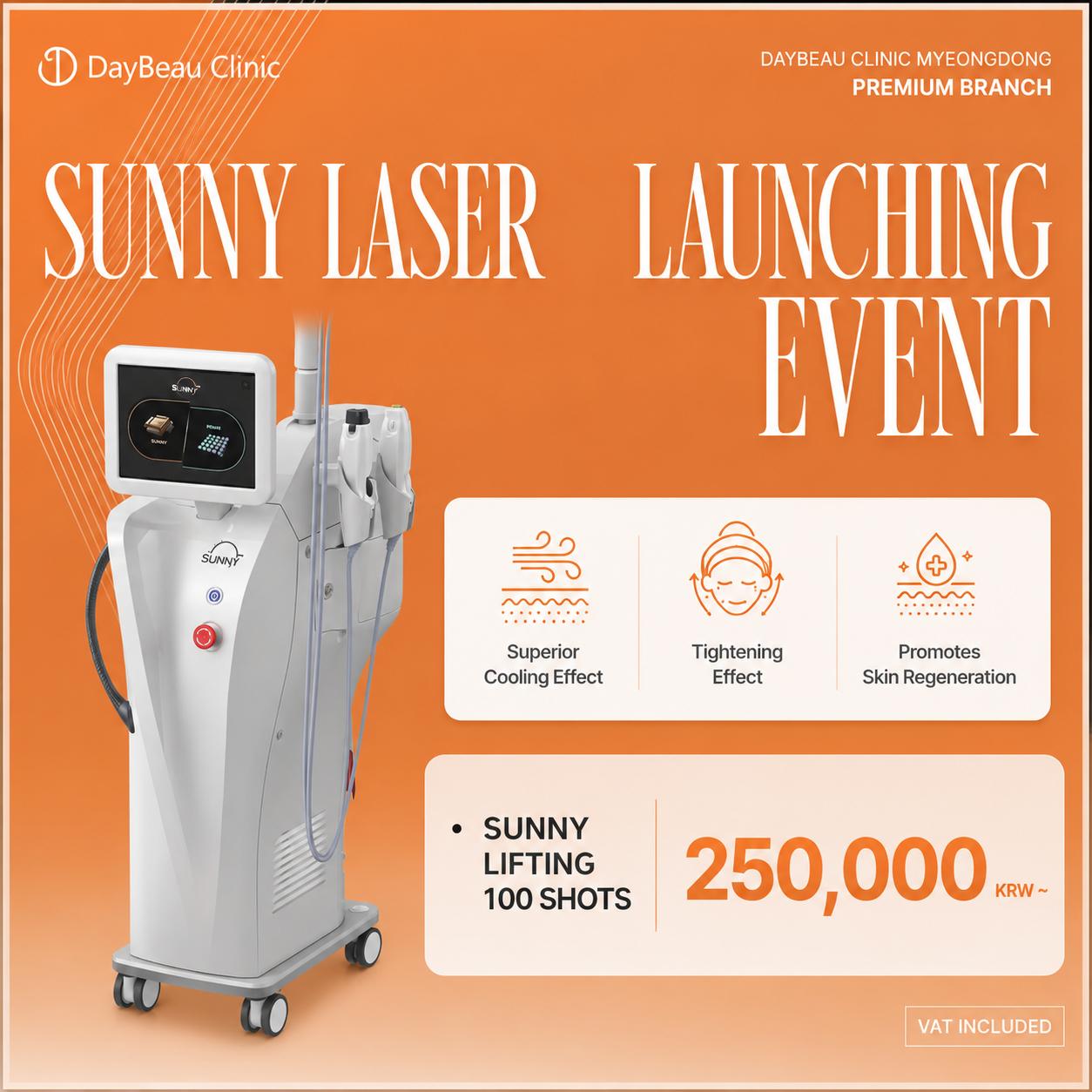
These non-invasive skin tightening procedures usually involve minimal downtime.
Many patients can safely fly within one or two days while continuing their aftercare routine during travel.
Factors That May Affect Your Travel Schedule
Treatment Intensity
More aggressive procedures generally require longer recovery than lighter maintenance treatments.
Discuss expected downtime before scheduling your return flight.
Multiple Procedures
Patients who combine several treatments during one visit may experience additional swelling or skin sensitivity.
A longer stay often provides greater comfort and flexibility.
Sensitive Skin
Individuals with highly sensitive skin may experience prolonged redness or irritation.
Your dermatologist may recommend extra recovery time before traveling.
Medical History
Existing health conditions or previous skin reactions may influence your recommended travel schedule.
Share your complete medical history during your consultation.
Preparing for Your Flight Home
Stay Hydrated
Airplane cabins have low humidity, which can contribute to skin dryness.
Drink water regularly before, during, and after your flight.
Continue Moisturizing
Use a gentle moisturizer approved by your dermatologist to help maintain your skin barrier during travel.
Reapply if your skin feels dry.
Wear Sunscreen
If you will be outdoors before or after your flight, apply a broad-spectrum sunscreen with SPF 30 or higher unless your dermatologist advises otherwise.
Sun protection remains essential throughout recovery.
Pack Recovery Products
Carry travel-sized versions of your cleanser, moisturizer, sunscreen, prescribed creams, and healing products in your carry-on luggage if airline regulations permit.
Activities to Avoid Before Flying
Intense Exercise
Heavy workouts may temporarily increase swelling or redness after many cosmetic procedures.
Resume exercise only when your dermatologist recommends.
Heat Exposure
Avoid saunas, hot baths, steam rooms, and hot yoga before traveling if your skin remains sensitive.
Excessive heat may prolong redness.
Alcohol
Alcohol can contribute to dehydration and may worsen temporary swelling or bruising after some treatments.
Consider limiting alcohol before your flight.
Excessive Sun Exposure
Freshly treated skin is especially vulnerable to ultraviolet damage.
Continue practicing careful sun protection before leaving Korea.
Travel Tips for International Patients
Schedule Treatment Early in Your Trip
Whenever possible, arrange your cosmetic procedures during the first part of your visit rather than the final day.
This provides additional recovery time before departure.
Keep Your Clinic's Contact Information
Save your dermatologist's phone number, email address, and messaging app information.
Many clinics continue supporting international patients after they return home.
Save Medical Documents
Carry your treatment summary, prescriptions, and aftercare instructions with you.
These documents may be useful if you consult another healthcare provider after returning home.
Arrange Virtual Follow-Up
Many Korean dermatology clinics provide online follow-up consultations.
These appointments allow your dermatologist to monitor healing after your return.
Warning Signs That Should Delay Travel
Severe Swelling
Significant swelling that continues worsening instead of improving should be evaluated before flying.
Increasing Pain
Pain that becomes more severe rather than gradually improving may indicate a complication requiring medical attention.
Signs of Infection
Fever, pus, spreading redness, increasing warmth, or severe tenderness should be assessed promptly.
Unexpected Skin Reactions
Blistering, extensive crusting, allergic reactions, or significant bleeding should be evaluated before international travel.
Frequently Asked Questions
Can I Fly the Same Day After Cosmetic Skin Treatment?
Many patients can safely fly after non-invasive treatments such as Botox or gentle laser procedures. However, waiting one or two days often provides greater comfort and allows early recovery to begin.
Does Flying Affect Cosmetic Treatment Results?
Commercial air travel does not normally reduce the effectiveness of cosmetic dermatology treatments. Following proper aftercare remains more important than the flight itself.
Should I Schedule a Follow-Up Appointment Before Leaving Korea?
Yes. If your clinic recommends a follow-up visit, attending it allows your dermatologist to confirm that your recovery is progressing normally before you travel.
What Should I Pack for My Flight?
Bring moisturizer, sunscreen, gentle cleanser, prescribed medications, healing creams, lip balm, and copies of your treatment instructions in your carry-on bag whenever possible.
Conclusion
The best time to fly home after cosmetic skin treatments in Korea depends on the procedure you received, your individual healing process, and your dermatologist's recommendations. While many non-invasive treatments allow same-day or next-day travel, remaining in Korea for one to three days is often the most comfortable choice for international patients. Those undergoing more intensive laser procedures or multiple treatments may benefit from staying longer for additional recovery and follow-up care. By planning your treatment schedule carefully, following your dermatologist's aftercare instructions, and preparing for your flight with proper skincare and hydration, you can return home safely while protecting your cosmetic treatment results for the months ahead.