
Ultherapy Recovery in Seoul: Downtime, Healing & Travel Tips
Introduction
Ultherapy has become one of the most popular non-surgical skin tightening treatments in Seoul, attracting international patients who want firmer, lifted skin without surgery or extended recovery time. Korean dermatology clinics are known for their advanced aesthetic technology, experienced specialists, and personalized treatment plans that help address loose skin, fine lines, wrinkles, and early signs of aging. Whether you are visiting Korea specifically for cosmetic procedures or combining treatment with sightseeing, understanding the Ultherapy recovery process is essential for planning a comfortable and successful medical trip.
One of the biggest benefits of Ultherapy is its minimal downtime. Unlike surgical facelifts, Ultherapy uses focused ultrasound energy to stimulate natural collagen production beneath the skin without damaging the skin's surface. Although patients may experience mild redness, swelling, tenderness, or temporary numbness immediately after treatment, most side effects are short-lived. Knowing what to expect during each stage of recovery allows international patients to prepare properly, follow aftercare recommendations, and enjoy the best possible treatment results.
What Is Ultherapy?
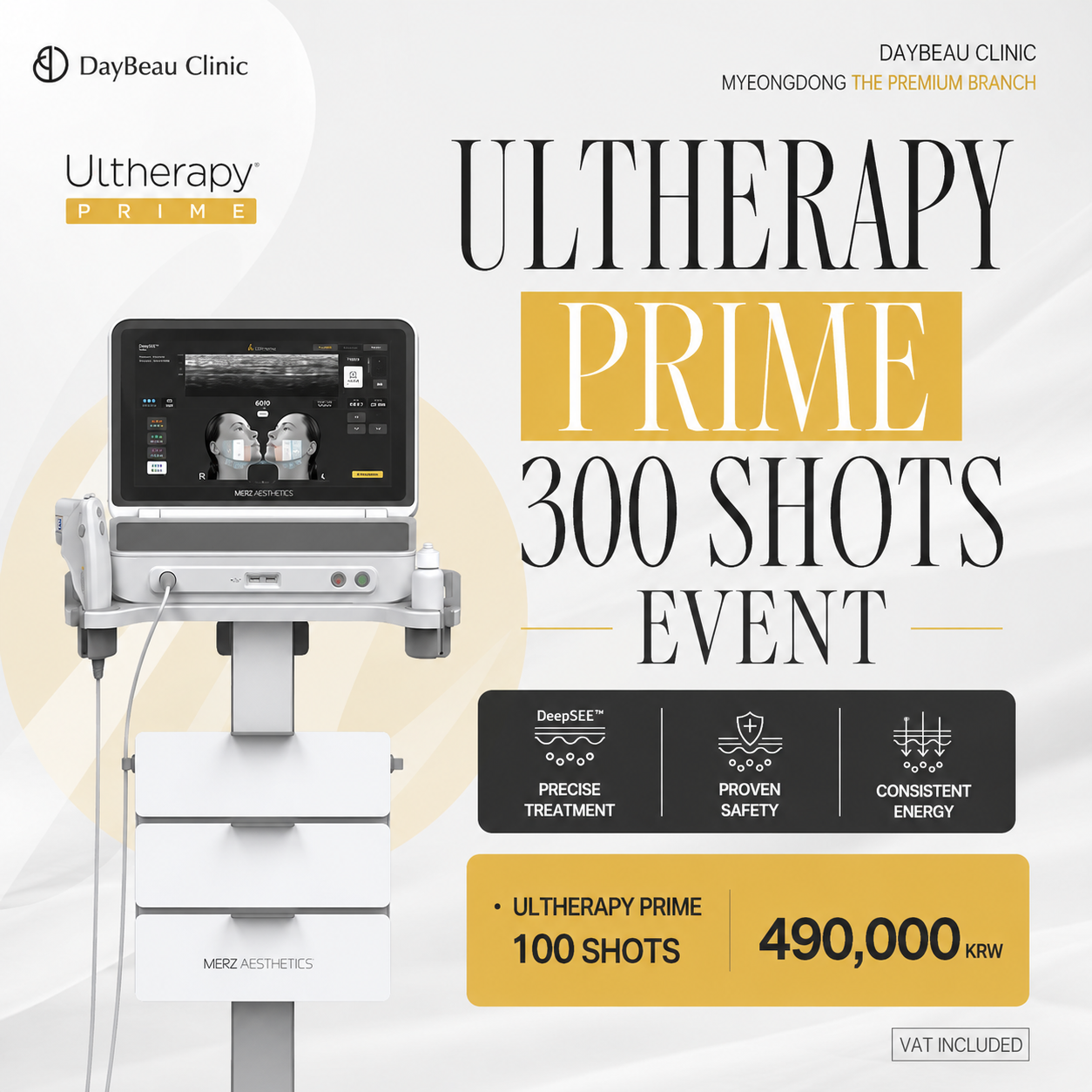
Ultherapy is a non-invasive cosmetic procedure that uses micro-focused ultrasound energy to stimulate collagen production deep within the skin. The treatment helps tighten and lift the skin naturally over time without surgery or injections.
Common Treatment Areas
Ultherapy is commonly performed on the face, neck, jawline, chin, brow, and upper chest to improve skin firmness and reduce mild to moderate skin laxity.
How Ultherapy Works
Focused ultrasound energy reaches the deeper structural layers of the skin, encouraging natural collagen regeneration while leaving the skin's surface intact.
Treatment Duration
Most Ultherapy procedures take between 30 and 90 minutes, depending on the size and number of treatment areas.
Immediately After Treatment
Most patients experience only mild side effects immediately after the procedure.
Mild Redness
Slight redness is common and usually fades within a few hours.
Temporary Swelling
Some patients notice mild swelling around the treated areas, which generally improves within one or two days.
Skin Tenderness
The skin may feel slightly sore or sensitive to touch for several days.
Resume Daily Activities
Most patients can return to work, shopping, or sightseeing immediately after leaving the clinic.
The First 24 Hours
The first day plays an important role in supporting healthy recovery.
Keep the Skin Hydrated
Use gentle moisturizers recommended by your dermatologist to maintain skin hydration.
Avoid Excessive Heat
Avoid saunas, hot baths, steam rooms, and prolonged sun exposure during the first day.
Drink Plenty of Water
Staying hydrated supports your body's natural healing process.
Follow Your Dermatologist's Instructions
Carefully follow all aftercare recommendations provided by your clinic.
Days 2 to 3
Most early recovery symptoms continue improving.
Redness Continues to Fade
Any remaining redness usually becomes much less noticeable.
Swelling Improves
Minor swelling gradually resolves without additional treatment.
Mild Tenderness
Some sensitivity may remain, particularly when touching the treated areas.
Continue Gentle Skincare
Avoid harsh exfoliants and irritating skincare products while your skin heals.
Days 4 to 7
Recovery continues with minimal disruption to daily activities.
Skin Appears Normal
Most visible signs of treatment have disappeared.
Comfortable Daily Routine
Patients generally resume their regular schedules without restrictions.
Continue Sun Protection
Daily sunscreen remains essential to protect treated skin.
Healthy Skin Maintenance
Continue moisturizing and following your dermatologist's skincare advice.
One to Four Weeks After Treatment
Ultherapy works gradually as collagen production increases.
Early Tightening Effects
Some patients begin noticing subtle improvements in skin firmness.
Improved Skin Texture
The skin may appear smoother and healthier.
Continued Collagen Production
Natural collagen remodeling continues beneath the skin.
Follow-Up Appointment
Some Korean clinics recommend a review appointment to monitor treatment progress.
Two to Six Months After Treatment
The most noticeable improvements appear gradually.
Firmer Skin
Collagen production continues improving skin elasticity and firmness.
Better Facial Contours
The jawline and facial profile may appear more defined.
Reduced Fine Lines
Fine lines and mild wrinkles gradually become less visible.
Maximum Results
Most patients achieve their best results between three and six months after treatment.
Factors That Affect Recovery
Recovery varies depending on several individual factors.
Age
Collagen production naturally slows with age, influencing treatment results.
Skin Condition
Healthier skin often responds more efficiently to collagen stimulation.
Treatment Area
Different areas of the face and body may recover at different rates.
Following Aftercare Instructions
Careful aftercare helps support smoother healing and better long-term outcomes.
Ultherapy Aftercare Tips
Proper aftercare helps maximize your treatment results.
Wear Sunscreen Every Day
Protect treated skin with a broad-spectrum sunscreen whenever you are outdoors.
Moisturize Regularly
Use gentle moisturizers to maintain healthy skin hydration.
Maintain a Healthy Lifestyle
Good nutrition, hydration, and sufficient sleep support collagen production.
Follow Your Treatment Plan
Attend follow-up appointments and future maintenance treatments if recommended.
Common Mistakes to Avoid
Avoiding these mistakes helps improve both recovery and treatment outcomes.
Expecting Immediate Results
Ultherapy works gradually, with improvements developing over several months.
Skipping Sun Protection
Sun exposure may affect your skin's healing process.
Using Aggressive Skincare Products
Avoid strong exfoliants, retinoids, or irritating products until approved by your dermatologist.
Ignoring Professional Advice
Following your dermatologist's instructions helps minimize unnecessary side effects.
Travel Tips for International Patients
Medical tourists can recover comfortably with careful planning.
Schedule Treatment Early
Plan your Ultherapy appointment several days before important events or international travel.
Allow Time for Follow-Up
If possible, stay in Korea long enough to attend a recommended review appointment.
Save Your Medical Records
Keep copies of your consultation notes, treatment details, and aftercare instructions.
Stay Connected With Your Clinic
Many Korean clinics offer online follow-up consultations after patients return home.
When Should You Contact Your Clinic?
Although Ultherapy is generally safe, certain symptoms should be evaluated by your dermatologist.
Persistent Swelling
Contact your clinic if swelling lasts significantly longer than expected.
Severe Pain
Strong or worsening pain is uncommon and requires professional assessment.
Unusual Skin Changes
Persistent redness, blistering, or unexpected skin reactions should be reported immediately.
Recovery Concerns
If you have questions about your healing progress, contact your clinic for personalized advice.
Conclusion
Ultherapy recovery in Seoul is generally quick, comfortable, and ideal for international patients seeking non-surgical skin tightening with minimal downtime. While mild redness, swelling, tenderness, and temporary sensitivity are common immediately after treatment, these effects usually resolve within a few days. The most significant improvements develop gradually over several months as collagen production naturally increases, creating firmer, smoother, and more youthful-looking skin. By following your dermatologist's aftercare instructions, protecting your skin from sun exposure, maintaining healthy skincare habits, and attending recommended follow-up appointments, you can maximize your treatment results and enjoy a smooth medical tourism experience in Korea.