
UV Damage and Pigmentation: Best Skin Treatments in South Korea
Introduction
UV damage is one of the leading causes of premature skin aging, uneven skin tone, and pigmentation problems. Continuous exposure to ultraviolet (UV) rays can stimulate excess melanin production, resulting in dark spots, freckles, sun spots, dull complexion, and visible changes in skin texture. Many people notice these concerns becoming more noticeable as they get older or after spending significant time outdoors.
South Korea is a popular destination for advanced pigmentation treatments because Korean dermatology clinics combine modern laser technology, detailed skin analysis, and customized skincare programs. International patients, medical tourists, and expats can access various treatments for UV-related skin damage, including Pico laser, laser toning, IPL, chemical peels, and regenerative skin treatments.
Understanding the causes of UV damage and available treatment options can help patients choose the right approach for healthier-looking and more balanced skin.
Understanding UV Damage and Pigmentation
What Is UV Damage?
UV damage occurs when ultraviolet radiation from the sun affects skin cells over time. Repeated exposure can damage collagen, weaken the skin barrier, and trigger increased melanin production.
Common signs of UV damage include:
- Dark spots
- Uneven skin tone
- Freckles
- Sun spots
- Rough skin texture
- Fine lines
- Dull appearance
UV damage can develop gradually, meaning many people notice pigmentation problems years after repeated sun exposure.
How UV Exposure Causes Pigmentation
When skin is exposed to UV radiation, melanocytes produce more melanin as a protective response.
Excess melanin accumulation may lead to:
- Brown spots
- Hyperpigmentation
- Uneven complexion
- Sun-related discoloration
Without proper sun protection, pigmentation can become darker and more difficult to manage.
Types of UV-Related Pigmentation
Sun Spots and Age Spots
Sun spots, also called solar lentigines, develop from long-term UV exposure.
They usually appear as:
- Flat brown marks
- Clearly defined spots
- Areas exposed to sunlight
Common locations include:
- Face
- Hands
- Shoulders
- Neck
Freckles
Freckles are small pigmented spots influenced by genetics and sun exposure.
They often become darker during periods of increased UV exposure.
Post-Inflammatory Hyperpigmentation
UV exposure can worsen pigmentation left after skin inflammation.
Common causes include:
- Acne marks
- Skin irritation
- Cosmetic procedures
- Inflammatory skin conditions
Melasma
Melasma is a common pigmentation condition involving larger patches of brown or gray pigmentation.
Possible triggers include:
- Hormonal changes
- Sun exposure
- Heat exposure
- Genetic factors
Because melasma can be sensitive, Korean dermatologists often use careful treatment approaches.
Best UV Damage and Pigmentation Treatments in South Korea
Pico Laser Treatment
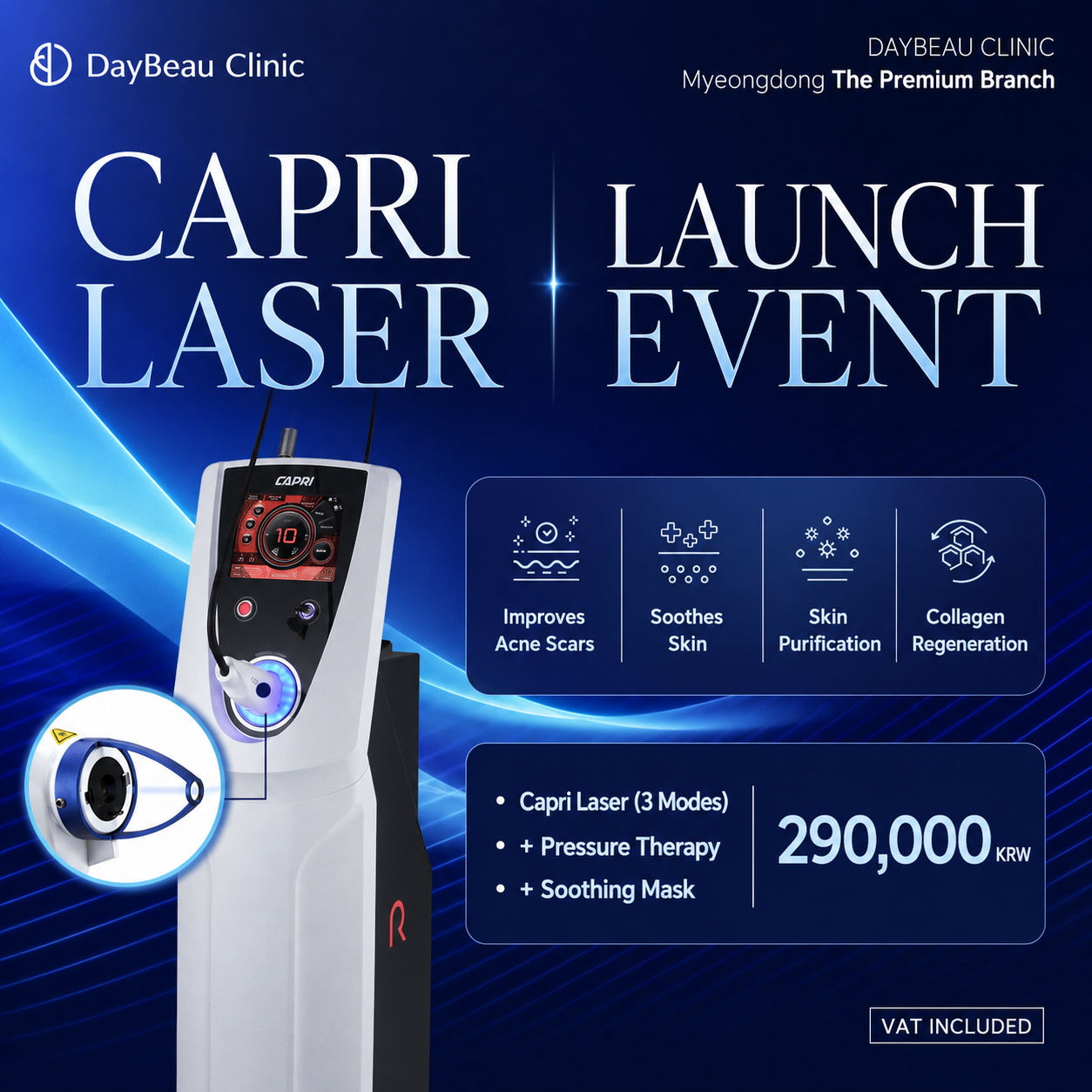
Pico laser is one of the most popular treatments for UV-related pigmentation in Korean dermatology clinics.
It uses ultra-short laser pulses to target pigment particles in the skin.
Potential benefits include:
- Improvement of dark spots
- More even skin tone
- Brighter-looking complexion
- Support for skin rejuvenation
Korean dermatologists adjust Pico laser settings according to:
- Pigmentation depth
- Skin type
- Treatment area
- Skin sensitivity
Laser Toning
Laser toning is widely used in Korea for gradual pigmentation improvement.
It delivers gentle laser energy to target uneven pigmentation while supporting overall skin brightness.
It may be recommended for:
- Uneven skin tone
- Mild pigmentation
- Melasma management
- Dull complexion
Laser toning is often included in long-term pigmentation care programs.
IPL Treatment
Intense Pulsed Light (IPL) is commonly used for superficial pigmentation concerns caused by sun exposure.
IPL may help improve:
- Sun spots
- Freckles
- Mild redness
- Uneven complexion
A dermatologist evaluates whether IPL is appropriate depending on pigmentation type and skin condition.
Fractional Laser Treatment
Fractional laser treatments focus on improving skin texture and signs of sun-related aging.
They may be considered for:
- Rough texture
- Enlarged pores
- Fine lines
- Sun-damaged skin appearance
Fractional laser treatments are usually customized based on skin recovery needs.
Chemical Peels
Chemical peels help remove damaged surface skin cells and encourage skin renewal.
Korean dermatologists may recommend:
- Glycolic acid peels
- Lactic acid peels
- Customized medical peels
Chemical peels may support improvement of:
- Dull skin
- Mild pigmentation
- Uneven texture
Skin Boosters and Regenerative Treatments
Some patients combine pigmentation treatments with skin rejuvenation procedures.
These treatments may focus on:
- Hydration
- Skin texture improvement
- Overall skin quality
The recommended approach depends on individual skin goals.
Combination Treatments for UV Damage in Korea
Why Combination Therapy Is Common
UV damage often affects multiple layers of the skin.
A patient may have:
- Pigmentation
- Fine lines
- Dehydrated skin
- Uneven texture
- Loss of skin brightness
For this reason, Korean dermatologists often create combination treatment plans.
Popular Combination Treatment Options
Common combinations include:
- Pico laser + skin boosters
- Laser toning + medical skincare
- IPL + chemical peel
- Pigmentation laser + hydration treatment
- Fractional laser + rejuvenation care
Combination treatments are customized according to skin condition and treatment goals.
Consultation Process at Korean Dermatology Clinics
Professional Skin Analysis
Before treatment, dermatologists evaluate the condition of the skin.
The consultation may include:
- Pigmentation assessment
- UV damage evaluation
- Skin type analysis
- Previous treatment history
- Current skincare routine review
Some clinics use digital imaging systems to analyze pigmentation and skin changes.
Creating a Personalized Treatment Plan
A dermatologist considers:
- Type of pigmentation
- Skin sensitivity
- Desired improvement
- Recovery period
- Travel schedule
This personalized approach helps patients choose appropriate treatments.
UV Damage Treatment Process for International Patients
Before Treatment
International patients should prepare:
- Medical history
- Previous skincare treatments
- Current skincare products
- Allergy information
- Travel schedule
Patients should also discuss sun exposure habits with their dermatologist.
During the Treatment Session
A typical session may include:
- Skin cleansing
- Dermatologist consultation review
- Selected procedure
- Cooling or calming care
- Aftercare instructions
Treatment time depends on the selected procedure.
Recovery After UV Damage Treatments
Common Temporary Effects
Depending on the treatment, patients may experience:
- Mild redness
- Temporary dryness
- Skin sensitivity
- Mild peeling
- Temporary darkening of pigmentation
Recovery time varies depending on treatment intensity.
Aftercare Tips
Patients should:
- Apply sunscreen daily
- Avoid direct sunlight
- Use gentle skincare products
- Avoid aggressive exfoliation
- Keep skin hydrated
Sun protection is essential after pigmentation treatments.
Cost of UV Damage and Pigmentation Treatment in Korea
Factors Affecting Treatment Cost
Treatment costs depend on:
- Procedure type
- Number of sessions
- Treatment area
- Clinic location
- Technology used
- Combination treatments
Laser treatments and customized programs may have different costs.
Planning Costs for International Patients
Visitors should consider:
- Consultation fees
- Treatment expenses
- Skincare products
- Transportation
- Follow-up appointments
A dermatologist consultation provides the most accurate estimate.
Why Choose South Korea for UV Damage Treatment?
Advanced Skin Technology
South Korea is recognized for advanced aesthetic dermatology.
Korean clinics commonly provide:
- Modern laser systems
- Detailed skin analysis
- Customized treatment plans
- Professional aftercare guidance
Experienced Dermatologists
Korean dermatologists regularly treat:
- Sun spots
- Hyperpigmentation
- Melasma
- Aging-related pigmentation
- Uneven skin tone
Their experience allows treatments to be adjusted for different skin concerns.
Tips for International Patients Visiting Korea
Before Booking a Clinic
Patients should:
- Research dermatology clinics
- Check doctor qualifications
- Review available treatments
- Ask about recovery time
- Schedule consultations early
During Your Stay
Patients should:
- Avoid excessive sun exposure
- Follow aftercare instructions
- Carry sunscreen
- Maintain gentle skincare
Choosing the Right UV Damage Treatment Clinic in Korea
Important Factors to Consider
A trustworthy clinic should provide:
- Dermatologist-led consultation
- Accurate diagnosis
- Customized treatment recommendations
- Clear explanations
- Realistic expectations
Patients should avoid clinics that guarantee permanent removal because pigmentation can return due to UV exposure and lifestyle factors.
Conclusion
UV damage and pigmentation treatments in South Korea provide international patients with access to advanced dermatology technology and personalized skincare solutions. Korean clinics commonly use treatments such as Pico laser, laser toning, IPL, chemical peels, and combination therapies to improve sun-related pigmentation and uneven skin tone.
The most suitable treatment depends on the type and severity of UV damage, skin condition, and personal goals. For international patients and expats visiting Korea, consulting an experienced dermatologist can help create a safe and effective treatment plan for healthier-looking skin.
Frequently Asked Questions About UV Damage and Pigmentation Treatment in Korea
What is the best treatment for UV damage pigmentation in Korea?
Popular treatments include Pico laser, laser toning, IPL, chemical peels, and customized skincare programs. The best option depends on the pigmentation type.
Can UV damage pigmentation be removed completely?
Treatments can improve the appearance of pigmentation, but new spots may develop with future sun exposure. Daily sun protection is important.
Is Pico laser effective for sun damage?
Pico laser is commonly used in Korea for pigmentation concerns and may help improve the appearance of dark spots and uneven skin tone.
How many sessions are needed for UV pigmentation treatment?
The number of sessions depends on pigmentation severity, treatment type, and individual skin response.
Can international patients get UV damage treatments in Korea?
Yes. Many Korean dermatology clinics provide customized pigmentation treatments for international patients.
How much does pigmentation treatment cost in South Korea?
Costs vary depending on treatment method, clinic, number of sessions, and whether combination procedures are used.
What should I do after pigmentation treatment?
Patients should use sunscreen daily, avoid excessive sunlight, and follow dermatologist aftercare instructions.
Why is South Korea popular for pigmentation treatments?
South Korea offers advanced laser technology, experienced dermatologists, and personalized skincare solutions for international patients.