
What Is a Board-Certified Dermatologist in Korea?
Introduction
When planning dermatology treatment in South Korea, one of the most important factors to consider is the qualifications of the physician providing your care. You may come across the term "board-certified dermatologist" while researching clinics, but many international patients are unsure what it means or why it matters. Understanding this qualification can help you make a more informed decision when choosing a dermatologist for medical or cosmetic skin treatments.
Board certification is generally an indication that a physician has completed specialized education and training in dermatology and has met professional standards required in their field. While board certification alone does not guarantee a specific treatment outcome, it can provide additional confidence that your dermatologist has received formal training in diagnosing and treating a wide range of skin, hair, and nail conditions.
What Is a Board-Certified Dermatologist?
A board-certified dermatologist is a physician who has completed medical education, specialized training in dermatology, and the certification requirements established by the relevant medical board or professional authority in their country.
Dermatologists are trained to diagnose, treat, and manage conditions affecting:
- Skin
- Hair
- Nails
- Scalp
- Mucous membranes associated with dermatologic conditions
They also perform a variety of medical, surgical, and cosmetic procedures depending on their area of practice.
Why Board Certification Matters
Choosing a qualified dermatologist is one of the most important decisions you can make before undergoing treatment.
Board-certified dermatologists typically have training in:
- Skin disease diagnosis
- Medical dermatology
- Cosmetic dermatology
- Laser treatments
- Skin cancer recognition
- Minor dermatologic surgery
- Management of treatment complications
- Long-term skin care
This specialized training helps support evidence-based treatment recommendations tailored to each patient's needs.
Medical Dermatology vs Cosmetic Dermatology
Dermatologists often provide both medical and cosmetic services, although the focus of their practice may vary.
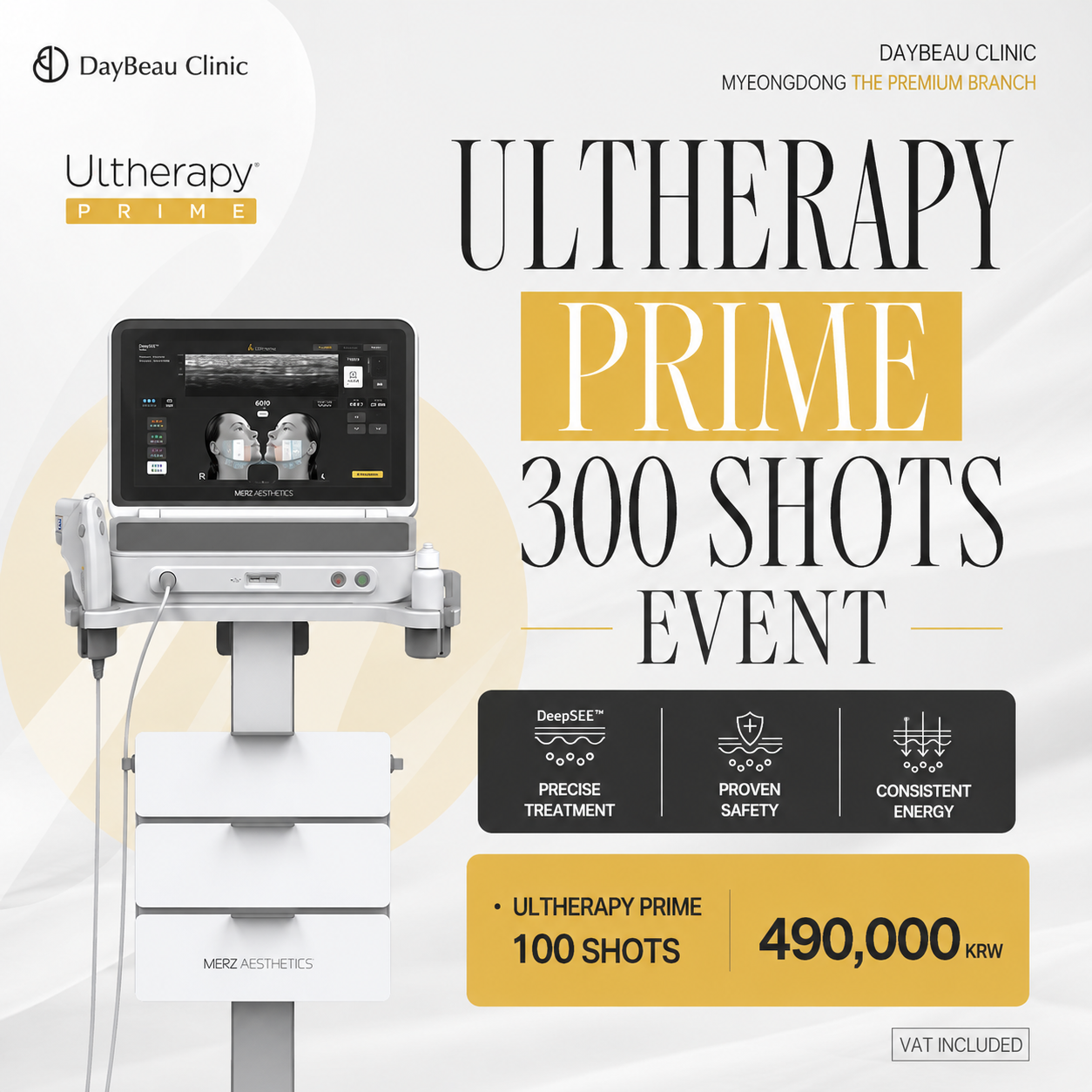
Medical DermatologyCosmetic DermatologyAcne treatmentBotoxRosacea managementDermal fillersEczema treatmentSkin boostersPsoriasis careLaser rejuvenationSkin infectionsChemical peelsHair loss treatmentUltherapyMole evaluationThermage
Many clinics offer both medical and cosmetic treatments, allowing patients to receive comprehensive skin care under one provider.
Conditions Treated by Dermatologists
Board-certified dermatologists manage a wide range of skin concerns.
Common conditions include:
- Acne
- Acne scars
- Melasma
- Hyperpigmentation
- Rosacea
- Eczema
- Psoriasis
- Skin allergies
- Hair loss
- Dandruff
- Moles
- Warts
- Fungal infections
- Skin aging
Your dermatologist will recommend treatment based on your diagnosis rather than a single standard approach.
Procedures Commonly Performed
Dermatologists perform many non-surgical and minimally invasive procedures.
These may include:
- Botox injections
- Dermal fillers
- Pico laser
- Fractional laser
- CO₂ laser resurfacing
- Chemical peels
- RF microneedling
- Rejuran
- Skin boosters
- Mole removal
- Wart removal
- Skin biopsies
The recommended procedure depends on your skin condition, treatment goals, and medical history.
How Dermatologists Evaluate Patients
A thorough consultation is an essential part of dermatology care.
During your appointment, your dermatologist may:
- Review your medical history
- Discuss previous treatments
- Examine your skin
- Evaluate your skin type
- Identify contributing factors
- Recommend treatment options
- Explain possible risks
- Develop a personalized treatment plan
A proper evaluation helps ensure that treatment recommendations are based on your individual needs.
Questions to Ask Your Dermatologist
Before beginning treatment, consider asking the following questions.
Helpful questions include:
- Are you board-certified?
- How much experience do you have treating my condition?
- Which treatment do you recommend?
- Why is this treatment appropriate?
- What results are realistic?
- What risks should I know about?
- How long is recovery?
- Will I need follow-up appointments?
Open communication is an important part of safe and effective medical care.
Choosing a Dermatologist in Korea
South Korea has many dermatology clinics that provide care for both local and international patients.
When comparing clinics, consider:
- Dermatologist qualifications
- Clinical experience
- Consultation quality
- Available technology
- Patient reviews
- English-speaking services
- Transparent pricing
- Follow-up care
Selecting a clinic based on overall quality rather than price alone is generally a better long-term approach.
What Board Certification Does Not Mean
Although board certification is an important qualification, it is only one factor to consider.
Board certification does not guarantee:
- Perfect treatment results
- Identical experience with every procedure
- Zero risk of complications
- The newest technology
- The lowest treatment cost
Patients should also evaluate communication, treatment recommendations, safety standards, and overall clinic quality.
Estimated Consultation and Treatment Costs
Costs vary depending on the clinic, physician experience, treatment type, and number of sessions required.
TreatmentApproximate Cost (KRW)Approximate Cost (USD)Consultation₩30,000–₩100,000$25–$75Botox₩80,000–₩400,000$60–$300Dermal Fillers₩300,000–₩1,200,000$220–$900Pico Laser₩200,000–₩800,000$150–$600Fractional Laser₩300,000–₩1,000,000$220–$750Rejuran₩300,000–₩800,000$220–$600Ultherapy₩1,500,000–₩4,500,000$1,100–$3,400
Prices are approximate and should be confirmed directly with your chosen clinic before treatment.
Red Flags to Watch For
While researching dermatology clinics, remain cautious if you notice any of the following.
Potential warning signs include:
- Guarantees of perfect results
- Pressure to undergo treatment immediately
- Unclear pricing
- Limited consultation time
- Refusal to discuss risks
- Lack of follow-up care
- Poor communication
A reputable dermatologist should encourage informed decision-making rather than rushing patients into procedures.
Common Mistakes Patients Make
Many first-time medical tourists make avoidable mistakes when choosing a dermatologist.
Common mistakes include:
- Choosing a clinic based only on price
- Not confirming physician qualifications
- Ignoring consultation quality
- Overlooking aftercare services
- Expecting immediate results
- Not asking about treatment risks
Taking time to research your dermatologist carefully can improve your overall treatment experience.
Frequently Asked Questions
Should I always choose a board-certified dermatologist?
For medical skin conditions and most cosmetic dermatology procedures, choosing a board-certified dermatologist is generally recommended because of their specialized training and expertise.
Can board-certified dermatologists perform cosmetic treatments?
Yes. Many board-certified dermatologists provide cosmetic procedures such as laser treatments, Botox, dermal fillers, chemical peels, and skin rejuvenation alongside medical dermatology services.
Is board certification enough when choosing a clinic?
No. You should also consider clinical experience, consultation quality, patient reviews, technology, communication, pricing transparency, and follow-up care.
Can I ask about a dermatologist's qualifications?
Absolutely. A qualified dermatologist should be comfortable discussing their education, training, and experience with prospective patients.
Do all Korean dermatology clinics treat international patients?
Many clinics in Seoul provide services for international visitors, including English-speaking coordinators and online consultations, although these services vary by clinic.
Conclusion
Understanding the role of a board-certified dermatologist can help you make more informed decisions when seeking skin treatment in South Korea. Board certification reflects specialized education and professional training in dermatology, making it an important factor to consider alongside clinical experience, communication, patient safety, and overall clinic quality.
Before booking your appointment, take time to research your dermatologist's qualifications, ask detailed questions during your consultation, and discuss realistic treatment expectations. Choosing a qualified dermatologist who provides personalized, evidence-based care can contribute to a safer and more positive medical tourism experience.
Recommended Articles
- How to Choose a Skin Clinic in Korea
- How to Verify a Korean Clinic
- Questions to Ask Before Booking
- Planning Your Dermatology Trip to Korea
- Medical Tourism Checklist Before You Fly
- Why Korea Is a Global Leader in Dermatology
- Complete Guide to Medical Tourism in Korea
Medical Disclaimer
This content is for educational purposes only and should not be considered medical advice. Treatment recommendations vary depending on your individual skin condition and medical history. Always consult a qualified dermatologist before making any medical or cosmetic treatment decisions.