
Ultherapy vs Botox Treatment in Korea
Introduction
South Korea is a global leader in non-surgical cosmetic treatments, offering innovative anti-aging procedures that help patients achieve natural-looking results with minimal downtime. Among the most popular treatments are Botox and Ultherapy. Although both are widely used to address signs of aging, they work in completely different ways and are designed for different cosmetic concerns.
If you're planning cosmetic treatments during your visit to Korea, understanding the differences between Ultherapy and Botox is essential. Botox temporarily relaxes facial muscles that create expression wrinkles, while Ultherapy uses focused ultrasound energy to stimulate collagen production and gradually tighten and lift the skin. Depending on your concerns, one treatment—or a combination of both—may provide the best outcome.
This guide compares Ultherapy and Botox, explains how each treatment works, discusses their benefits, recovery, longevity, and costs, and helps international patients determine which option may best suit their anti-aging goals.
What Is Botox?
Botox is a prescription injectable treatment containing botulinum toxin type A. It temporarily blocks nerve signals that cause targeted facial muscles to contract, reducing dynamic wrinkles caused by repeated facial expressions.
Botox is commonly used for:
- Forehead lines
- Frown lines between the eyebrows
- Crow's feet
- Bunny lines
- Chin dimpling
- Neck bands
- Jaw muscle reduction in selected patients
Botox does not tighten loose skin or increase collagen production.
What Is Ultherapy?
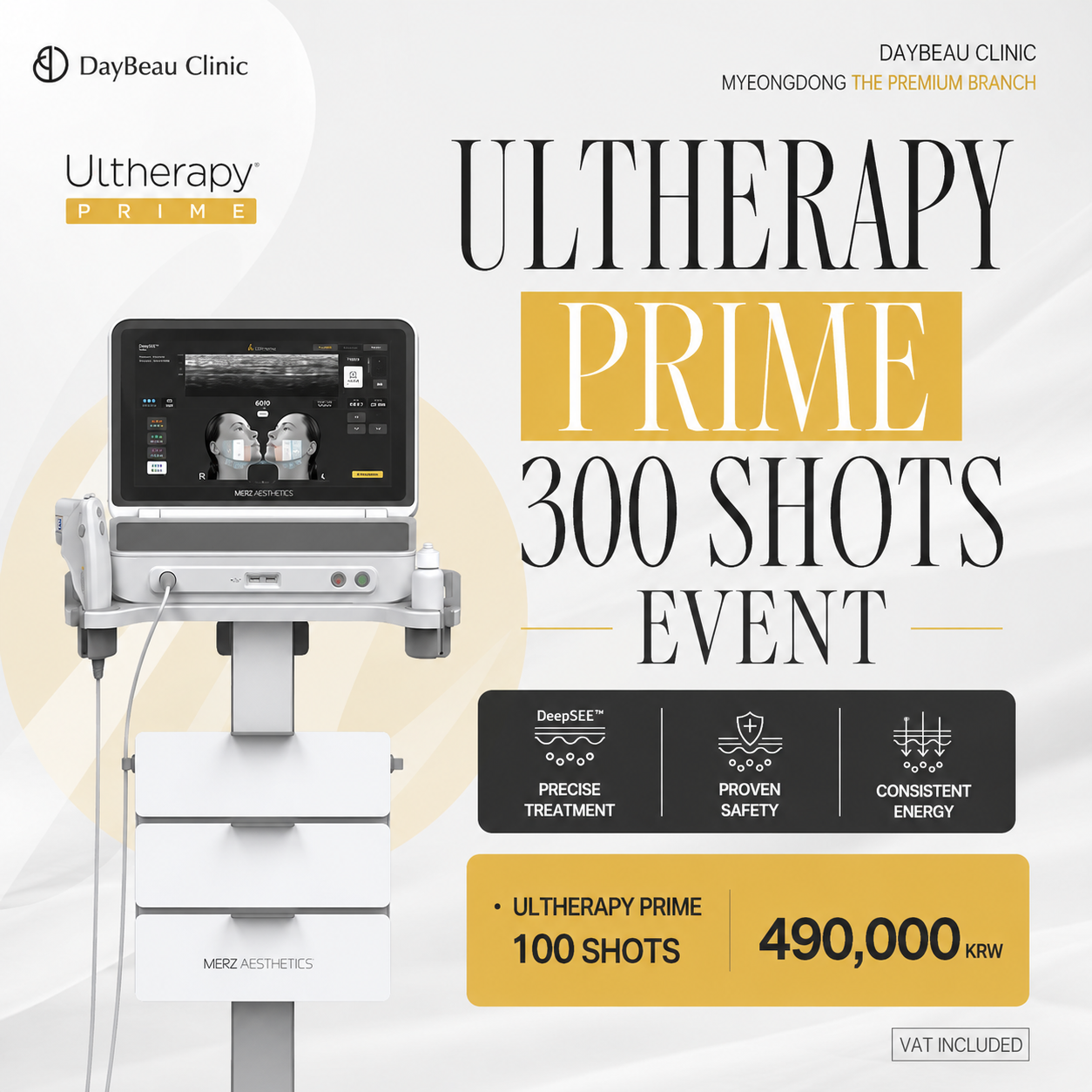
Ultherapy is a non-invasive skin tightening treatment that uses focused ultrasound energy to stimulate the body's natural collagen production deep beneath the skin.
Unlike lasers or injectable treatments, Ultherapy targets deeper tissue layers without surgery or needles.
Ultherapy is commonly used to improve:
- Mild skin laxity
- Sagging cheeks
- Jawline definition
- Neck tightening
- Brow lifting
- Loose skin beneath the chin
Results develop gradually as new collagen forms over time.
How Botox and Ultherapy Work
Botox
Botox works by temporarily relaxing facial muscles.
This helps:
- Smooth expression wrinkles
- Prevent deeper dynamic lines
- Create a refreshed appearance
The muscles gradually regain activity over time, making repeat treatments necessary.
Ultherapy
Ultherapy works by delivering focused ultrasound energy beneath the skin.
The treatment stimulates natural collagen production, helping to:
- Tighten skin
- Improve elasticity
- Lift mildly sagging tissue
- Enhance facial contours
Unlike Botox, Ultherapy does not affect muscle movement.
Ultherapy vs Botox: Key Differences
Treatment Purpose
Botox primarily treats wrinkles caused by repeated muscle movement.
Ultherapy focuses on skin tightening and mild lifting through collagen stimulation.
Best Candidates
Botox is often recommended for patients with:
- Dynamic wrinkles
- Forehead lines
- Crow's feet
- Frown lines
- Preventive anti-aging goals
Ultherapy may be suitable for patients with:
- Mild skin laxity
- Early facial sagging
- Reduced skin firmness
- Loss of jawline definition
A consultation with a qualified dermatologist is necessary to determine the most appropriate treatment.
Treatment Method
Botox involves multiple small injections using fine needles.
Ultherapy is performed using an ultrasound device that delivers energy beneath the skin without injections.
Results Timeline
Botox results usually begin appearing within several days, with full effects developing over the following days to weeks.
Ultherapy results develop gradually over several weeks to months as collagen production increases.
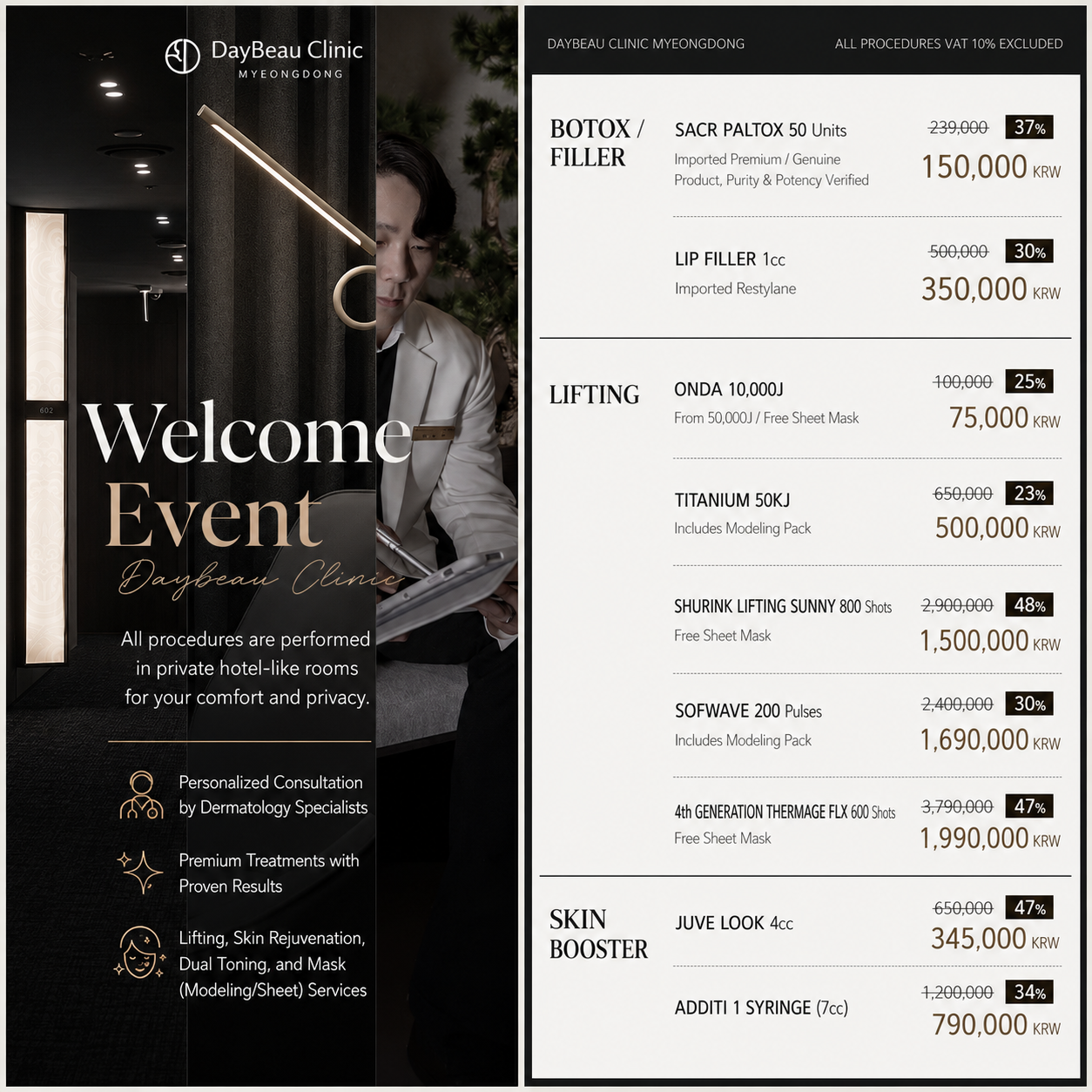
Cost of Ultherapy vs Botox in Korea
Treatment costs vary depending on several factors.
Botox Cost Factors
Pricing depends on:
- Number of units used
- Treatment area
- Product selected
- Doctor experience
- Clinic location
Ultherapy Cost Factors
Pricing is influenced by:
- Number of treatment lines
- Treatment area
- Device settings
- Clinic reputation
- Physician expertise
Ultherapy generally costs more than Botox because it uses advanced ultrasound technology and treats larger tissue areas.
Patients should prioritize medical expertise and treatment suitability over price alone.
Common Cosmetic Uses in Korea
Forehead Wrinkles
Botox effectively softens horizontal forehead lines.
Crow's Feet
Botox reduces wrinkles around the outer corners of the eyes.
Jawline Enhancement
Depending on the patient's needs:
- Botox may slim enlarged jaw muscles.
- Ultherapy may tighten loose skin along the jawline.
Neck Rejuvenation
Ultherapy is commonly used to improve mild neck skin laxity.
Botox may be recommended for prominent neck bands in selected patients.
Brow Lift
Ultherapy may create a subtle lifting effect by stimulating collagen in the brow area.
Can Botox and Ultherapy Be Combined?
Yes.
Many Korean dermatologists combine Botox and Ultherapy because they address different signs of facial aging.
For example:
- Botox may reduce forehead wrinkles.
- Ultherapy may tighten the lower face.
- Botox may soften crow's feet.
- Ultherapy may improve jawline definition.
A personalized treatment plan is developed after evaluating your facial anatomy and cosmetic goals.
Treatment Process
Initial Consultation
Your physician will review:
- Medical history
- Current medications
- Previous cosmetic procedures
- Allergies
- Cosmetic concerns
- Treatment expectations
Facial Assessment
The doctor evaluates:
- Facial muscle activity
- Skin elasticity
- Degree of skin laxity
- Wrinkle patterns
- Facial symmetry
This assessment determines whether Botox, Ultherapy, or a combination of both treatments is appropriate.
Procedure
Botox treatment involves several small injections and is usually completed within a short outpatient visit.
Ultherapy involves applying ultrasound energy to targeted areas using a handheld device. The procedure generally takes longer than Botox but does not require surgery or incisions.
Recovery After Treatment
Botox Recovery
Most patients return to normal activities shortly after treatment.
Your physician may advise:
- Avoid rubbing treated areas
- Following aftercare instructions
- Avoiding strenuous exercise if recommended
Ultherapy Recovery
Most patients experience minimal downtime.
Temporary effects may include:
- Mild redness
- Slight swelling
- Tenderness
- Tingling
- Temporary sensitivity
These effects typically improve over time.
Possible Side Effects
Like all cosmetic procedures, both treatments carry potential risks.
Botox
Temporary side effects may include:
- Mild redness
- Bruising
- Swelling
- Tenderness
- Temporary headache
Ultherapy
Temporary side effects may include:
- Mild redness
- Swelling
- Tenderness
- Tingling
- Temporary discomfort
Your physician should explain both common and uncommon risks before treatment.
Choosing Between Ultherapy and Botox
There is no universally superior treatment.
The best option depends on the underlying cause of your cosmetic concerns.
Botox May Be Appropriate If You Want To Treat:
- Forehead wrinkles
- Crow's feet
- Frown lines
- Facial muscle overactivity
- Preventive wrinkle formation
Ultherapy May Be Appropriate If You Want To Improve:
- Mild skin laxity
- Loose jawline skin
- Neck tightening
- Brow lifting
- Collagen stimulation
Many patients achieve optimal facial rejuvenation by combining both procedures.
Why International Patients Choose Korea
Many overseas patients visit Korea because of:
- Experienced cosmetic dermatologists
- Advanced anti-aging technologies
- Modern aesthetic clinics
- Personalized treatment planning
- Wide range of non-surgical facial rejuvenation options
Choosing a qualified practitioner is generally more important than selecting one specific treatment.
Frequently Asked Questions
Is Ultherapy better than Botox?
Neither treatment is universally better. Botox treats dynamic wrinkles caused by muscle movement, while Ultherapy improves mild skin laxity by stimulating collagen production. The most suitable treatment depends on your individual concerns.
Is Ultherapy more expensive than Botox in Korea?
In most cases, yes. Ultherapy generally costs more because it uses specialized ultrasound technology and treats larger skin areas.
Can Botox and Ultherapy be done together?
Yes. Many Korean dermatologists combine Botox and Ultherapy to address both wrinkles and skin laxity as part of a comprehensive anti-aging treatment plan.
Can international patients receive Ultherapy in Korea?
Yes. Many Korean dermatology clinics offer Ultherapy treatments for international patients following an appropriate consultation and facial assessment.
Common Mistakes to Avoid
Avoid these common mistakes:
- Choosing treatment based only on price
- Expecting Botox to tighten loose skin
- Expecting Ultherapy to eliminate expression wrinkles
- Receiving treatment without a professional consultation
- Ignoring aftercare instructions
- Scheduling treatment immediately before an important event or international flight
Final Thoughts
Ultherapy and Botox are two of Korea's most popular non-surgical anti-aging treatments, but they serve different purposes. Botox effectively reduces dynamic wrinkles by relaxing facial muscles, while Ultherapy stimulates collagen production to gradually tighten and lift mildly sagging skin.
Rather than asking which treatment is better, consider which concern you want to address. If expression wrinkles are your primary issue, Botox may be the more appropriate choice. If skin laxity and reduced firmness are your main concerns, Ultherapy may provide greater benefits. Many patients ultimately achieve the best results by combining both treatments under the guidance of an experienced Korean dermatologist. A personalized consultation, expert treatment planning, and realistic expectations are the keys to achieving safe, natural-looking facial rejuvenation.