
Ultherapy and Exosome Therapy in Korea for International Patients
Introduction
South Korea has become one of the world’s most popular destinations for advanced aesthetic dermatology, attracting international patients, medical tourists, expats, and beauty-conscious travelers seeking innovative non-surgical skin rejuvenation treatments.
Among the growing number of combination treatments available in Korean dermatology clinics, Ultherapy and Exosome Therapy in Korea is gaining attention from patients who want to improve skin firmness, elasticity, and overall skin quality.
While both treatments are associated with skin rejuvenation, they work through different approaches. Ultherapy is an energy-based skin tightening treatment that uses focused ultrasound technology to stimulate collagen remodeling in deeper skin layers. Exosome Therapy focuses on skin regeneration support by using exosome-based ingredients that are designed to improve skin condition, hydration, and overall appearance.
Many international patients visiting Seoul have questions such as:
- Can Ultherapy and Exosome Therapy be combined?
- Is this combination suitable for anti-aging treatment?
- Which treatment should be done first?
- How long should I stay in Korea for treatment and recovery?
The answer depends on individual skin concerns, age, skin condition, and treatment goals. Korean dermatologists often customize treatment plans by combining different technologies to address multiple signs of aging.
This guide explains how Ultherapy and Exosome Therapy work, their benefits, treatment process, recovery, costs, and important information for international patients considering aesthetic treatments in Korea.
What Is Ultherapy?
How Ultherapy Works
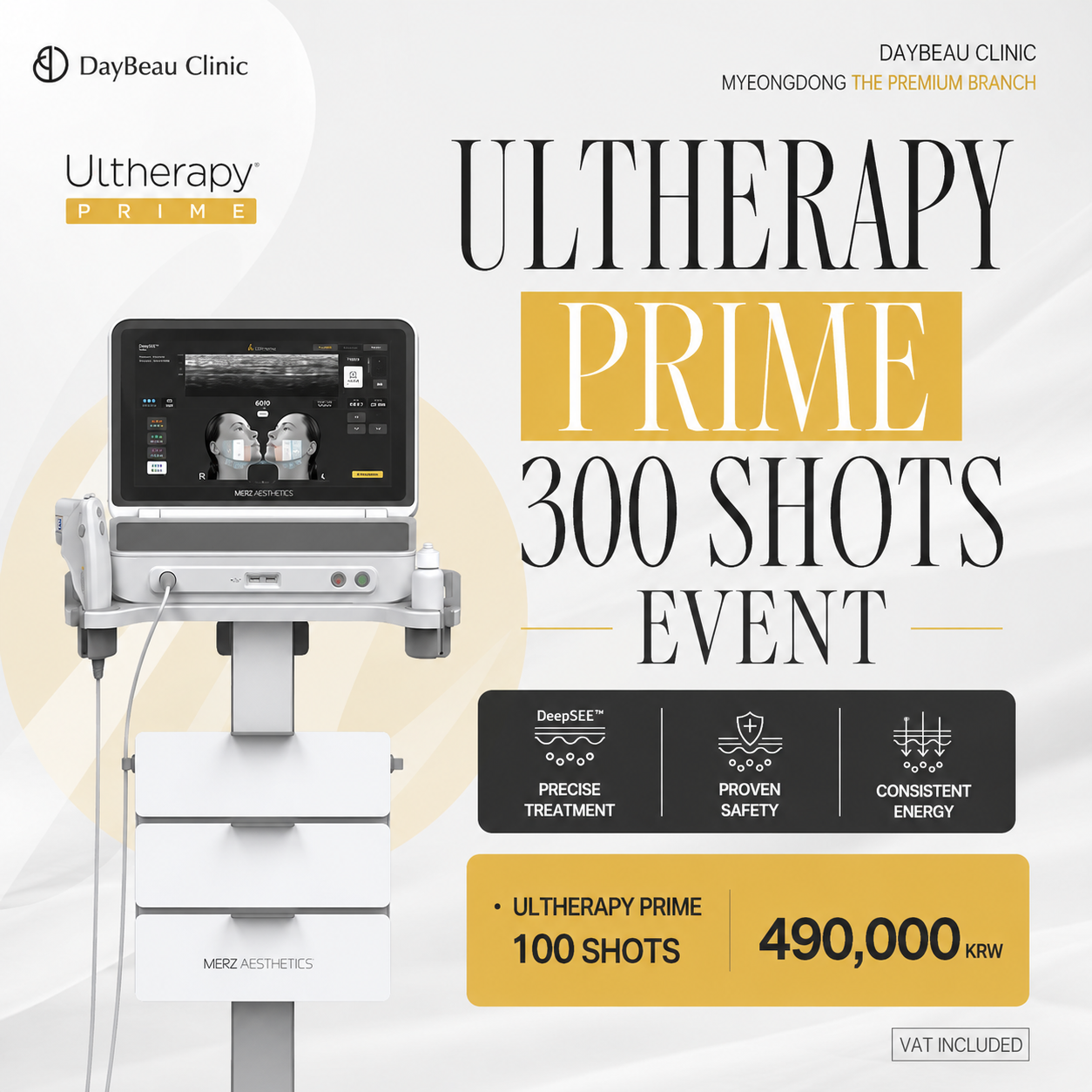
Ultherapy is a non-surgical skin tightening treatment that uses micro-focused ultrasound energy with visualization technology (MFU-V).
The treatment delivers controlled ultrasound energy into deeper layers of the skin. This creates targeted thermal stimulation, which may support the body’s natural collagen remodeling process.
Ultherapy is commonly chosen by patients who are concerned about:
- Mild to moderate skin sagging
- Reduced facial firmness
- Less defined jawline
- Neck laxity
- Early signs of aging
- Loss of skin elasticity
Unlike facelift surgery, Ultherapy does not require incisions and typically involves minimal downtime.
Common Ultherapy Treatment Areas
Ultherapy may be performed on:
- Forehead
- Brow area
- Cheeks
- Lower face
- Jawline
- Chin area
- Neck
A dermatologist evaluates facial structure and skin condition before selecting the appropriate treatment areas.
What Is Exosome Therapy?
How Exosome Therapy Works
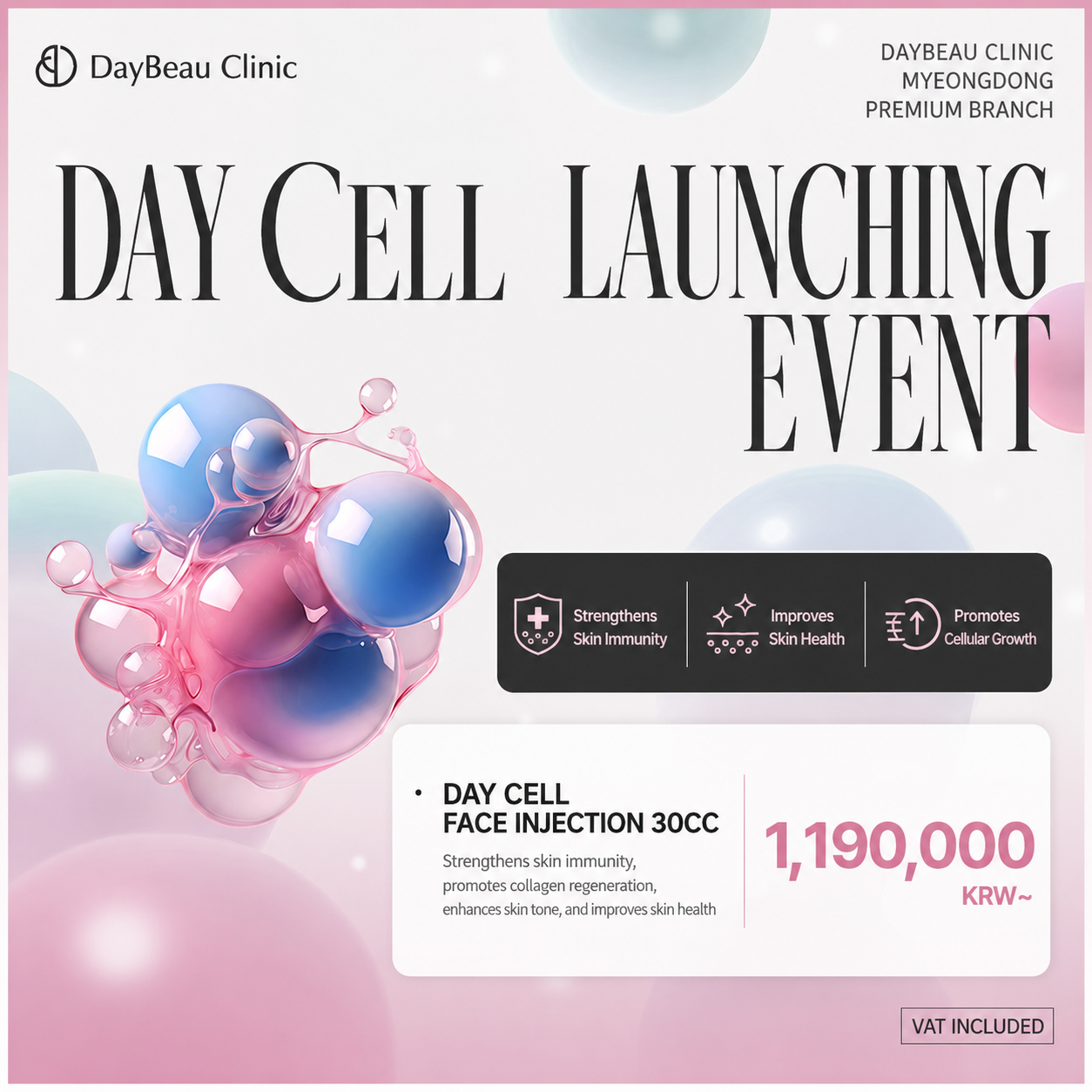
Exosome Therapy is an advanced skin rejuvenation approach that uses exosomes, which are small extracellular particles involved in cell communication.
In aesthetic medicine, exosome-based treatments are used to support skin regeneration processes and improve overall skin quality.
Exosome Therapy is commonly considered for concerns such as:
- Dull-looking skin
- Uneven skin texture
- Fine lines
- Reduced elasticity
- Dehydrated skin appearance
- Signs of skin stress
Exosome treatments are often combined with other aesthetic procedures in Korean clinics to create customized rejuvenation plans.
Common Exosome Treatment Areas
Exosome Therapy may be used on:
- Face
- Neck
- Areas with uneven texture
- Skin affected by environmental stress
The treatment method and delivery technique depend on the clinic’s approach and patient needs.
Why Combine Ultherapy and Exosome Therapy in Korea?
Addressing Different Signs of Skin Aging
Skin aging involves multiple changes, including:
- Reduced collagen production
- Skin laxity
- Texture changes
- Reduced elasticity
- Loss of healthy skin appearance
Ultherapy and Exosome Therapy target different aspects of skin rejuvenation.
TreatmentMain FocusUltherapyDeep skin tightening and collagen stimulationExosome TherapySkin regeneration support and overall skin quality improvement
Because they work differently, they may complement each other as part of a personalized treatment plan.
A Comprehensive Anti-Aging Approach
Many international patients prefer combination treatments because aging affects both skin structure and skin quality.
Ultherapy may help improve:
- Skin firmness
- Facial contour appearance
- Tightening concerns
Exosome Therapy may support:
- Skin texture improvement
- Hydration appearance
- Healthier-looking skin
The combination aims to address multiple concerns rather than focusing on only one area.
Benefits of Combining Ultherapy and Exosome Therapy
Improved Skin Firmness and Skin Quality
Patients who experience both loose skin and poor skin condition may benefit from a combination approach.
Potential benefits may include:
- Improved firmness
- Smoother-looking texture
- Better elasticity
- More refreshed appearance
Results vary depending on individual factors.
Natural-Looking Rejuvenation
Many patients choose Korean aesthetic treatments because they prefer subtle and natural-looking improvements.
A combination of Ultherapy and Exosome Therapy may support:
- Gradual skin improvement
- Balanced facial rejuvenation
- Improved overall skin appearance
A dermatologist will recommend treatment based on realistic expectations.
Suitable for International Patients Seeking Non-Surgical Options
International visitors often choose non-surgical treatments because they allow easier travel planning compared with surgical procedures.
Ultherapy and Exosome Therapy may be considered by patients who want:
- Minimal downtime
- Customized treatment plans
- Advanced skincare technology
Ultherapy vs Exosome Therapy: What Is the Difference?
CategoryUltherapyExosome TherapyTreatment TypeEnergy-based treatmentRegenerative skin treatmentMain TargetDeeper skin layersSkin quality and regeneration supportMain GoalTightening and firmnessTexture and skin condition improvementProcedureUltrasound energyExosome-based treatmentDowntimeUsually minimalDepends on treatment method
Both treatments have different purposes and may work together depending on patient goals.
Should You Do Ultherapy or Exosome Therapy First?
Why Treatment Order Matters
The ideal treatment order depends on:
- Skin condition
- Treatment intensity
- Treatment areas
- Doctor’s recommendation
Some dermatologists may recommend Ultherapy first because it focuses on deeper tightening.
Others may suggest Exosome Therapy first when skin quality improvement is the primary concern.
Common Treatment Approaches
Ultherapy First
Possible advantages:
- Focuses on deeper tightening
- Supports collagen remodeling
- Addresses skin laxity concerns
Exosome Therapy First
Possible advantages:
- Focuses on skin quality
- Supports healthier-looking skin
- Improves overall skin condition
Combination Treatment Plan
Some patients receive both treatments as part of a customized anti-aging program.
The exact timing should be determined during consultation.
Can Ultherapy and Exosome Therapy Be Done Together?
Some Korean dermatology clinics may include Ultherapy and Exosome Therapy in the same overall treatment plan.
However, the schedule depends on:
- Patient skin condition
- Treatment settings
- Doctor assessment
- Travel plans
International patients should discuss timing before visiting Korea, especially if they have limited time in Seoul.
Ultherapy and Exosome Therapy Procedure in Korea
Consultation Process
During consultation, the dermatologist evaluates:
- Skin elasticity
- Facial structure
- Skin texture
- Aging concerns
- Previous aesthetic treatments
A personalized treatment plan is then created.
Treatment Steps
A typical process may include:
- Consultation and skin analysis
- Treatment planning
- Skin preparation
- Ultherapy procedure
- Exosome Therapy procedure
- Aftercare guidance
The exact process depends on the clinic and treatment method.
Recovery and Aftercare
Recovery After Ultherapy
Most patients experience minimal downtime.
Temporary effects may include:
- Mild redness
- Tenderness
- Tingling sensation
- Slight swelling
Recovery After Exosome Therapy
Recovery depends on the delivery method.
Possible temporary effects may include:
- Mild redness
- Swelling
- Sensitivity
- Temporary irritation
Aftercare Tips
After treatment:
- Use gentle skincare products
- Apply sunscreen daily
- Avoid excessive heat exposure
- Follow clinic instructions
- Keep skin hydrated
Expected Results
Ultherapy Results
Ultherapy results usually appear gradually as collagen remodeling occurs.
Patients may notice:
- Improved firmness
- Better skin tightening
- More defined facial appearance
Exosome Therapy Results
Exosome Therapy results may develop gradually as skin condition improves.
Patients may notice:
- Smoother texture
- Healthier-looking skin
- Improved skin quality
Results vary based on age, lifestyle, and individual skin condition.
Cost of Ultherapy and Exosome Therapy in Korea
The cost depends on:
- Ultherapy shot count
- Exosome treatment type
- Treatment areas
- Clinic location
- Doctor experience
International patients should request a personalized consultation for accurate pricing.
Why Choose Korea for Ultherapy and Exosome Therapy?
South Korea is recognized as a global leader in aesthetic medicine because of:
- Experienced dermatologists
- Advanced cosmetic technologies
- Modern dermatology clinics
- Customized combination treatments
- International patient services
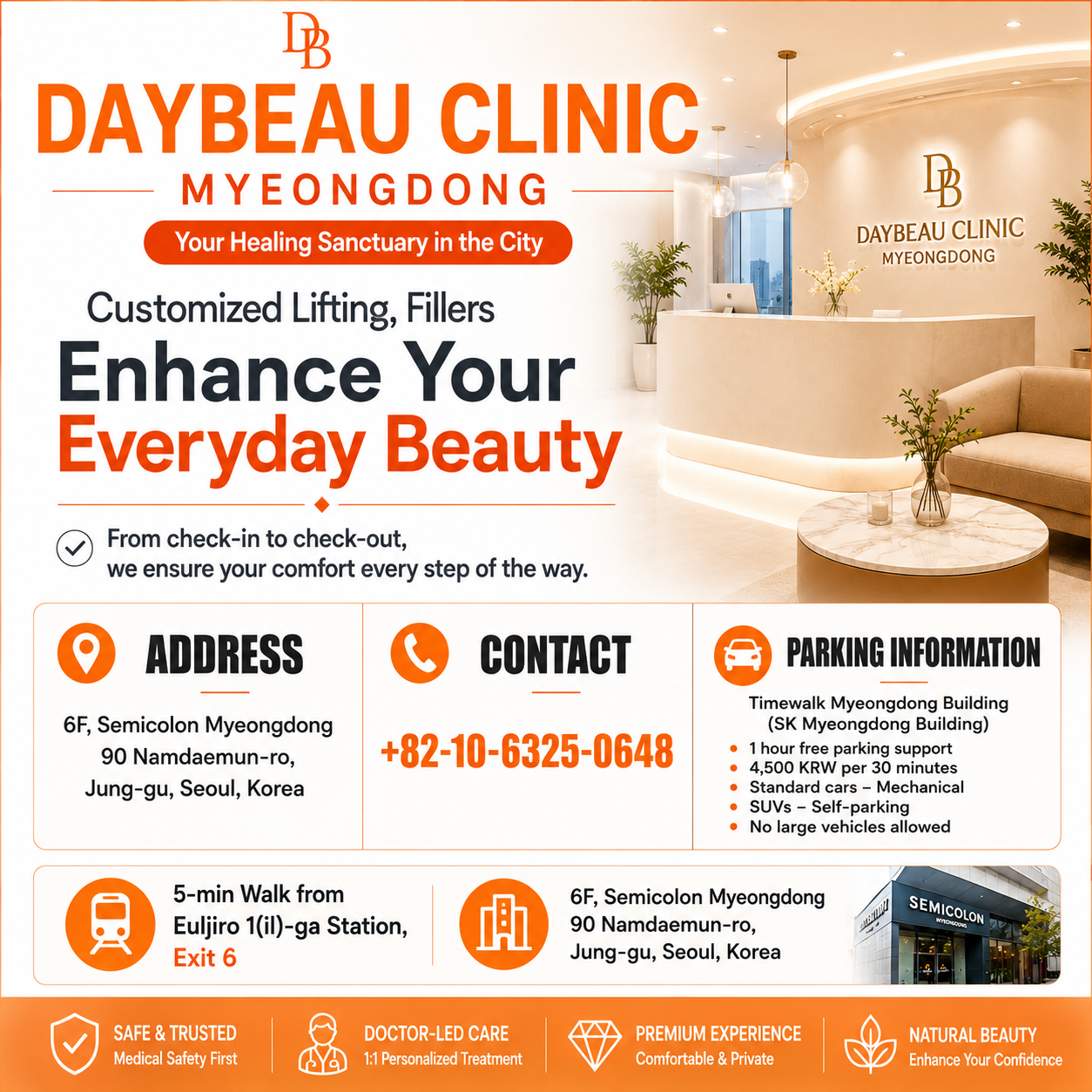
Seoul is especially popular for aesthetic treatments, with many clinics located in areas such as Gangnam, Apgujeong, and Myeongdong.
Tips for International Patients Visiting Korea
Before booking Ultherapy and Exosome Therapy:
- Research qualified dermatology clinics
- Check doctor experience
- Ask about treatment combinations
- Understand realistic expectations
- Plan treatment around your travel schedule
A professional consultation is essential before choosing any combination treatment.
Frequently Asked Questions
Can international patients get Ultherapy and Exosome Therapy in Korea?
Yes. Many Korean dermatology clinics provide advanced skin rejuvenation treatments for international patients.
Can Ultherapy and Exosome Therapy be combined?
Yes, some patients combine these treatments because they focus on different aspects of skin rejuvenation.
Is Ultherapy better than Exosome Therapy?
They serve different purposes. Ultherapy focuses on tightening, while Exosome Therapy focuses on supporting skin quality.
How long should I wait between Ultherapy and Exosome Therapy?
The timing depends on your skin condition and dermatologist recommendation.
How long do Ultherapy and Exosome Therapy results last?
Results vary depending on treatment type, lifestyle, age, and individual skin condition.
Is there downtime after Ultherapy and Exosome Therapy?
Downtime is usually minimal, but temporary redness, swelling, or sensitivity may occur.
How much does Ultherapy and Exosome Therapy cost in Korea?
Costs vary depending on treatment settings, clinic, and individual treatment plans.
How do I choose a Korean clinic for Ultherapy and Exosome Therapy?
Choose a clinic with experienced doctors, transparent consultation, safety standards, and international patient support.
Conclusion
The combination of Ultherapy and Exosome Therapy in Korea offers a multi-level approach to non-surgical skin rejuvenation by focusing on both skin tightening and overall skin quality.
Ultherapy targets deeper skin layers to support firmness and collagen remodeling, while Exosome Therapy focuses on improving skin condition and regeneration support. Together, they may provide a more complete approach for patients seeking natural-looking facial rejuvenation.
For international patients, medical tourists, and expats visiting Seoul, choosing the right combination treatment requires professional evaluation and personalized planning.
A consultation with an experienced Korean dermatologist is the best way to determine whether Ultherapy, Exosome Therapy, or another combination treatment matches your skin goals.