
Recovery Time Guide for Medical Tourists Visiting Korea
Introduction
South Korea has become one of the most trusted destinations for international patients seeking cosmetic dermatology and aesthetic treatments. Every year, medical tourists visit Seoul for advanced procedures such as Pico Laser, Rejuran, skin boosters, RF Microneedling, Botox, fillers, Ultherapy, Thermage FLX, acne scar treatments, and various skin rejuvenation programs.
While Korean dermatology clinics are known for advanced technology and professional care, understanding recovery time is one of the most important parts of planning a medical beauty trip. Many international patients have limited vacation time and want to know when they can return to normal activities, continue sightseeing, or fly back home after treatment.
Recovery periods vary depending on the procedure, treatment intensity, skin condition, and individual healing response. Some treatments require only a few hours of downtime, while others may need several days or weeks for complete recovery. Knowing what to expect helps medical tourists schedule appointments safely and enjoy a more comfortable experience in Korea.
This guide explains typical recovery times after popular skin treatments in Korea and provides planning tips for international patients visiting Seoul.
Why Recovery Time Matters for Medical Tourists in Korea
Travel Plans Should Match Treatment Recovery
Unlike local patients, medical tourists must consider additional factors such as:
- Flight schedules
- Hotel stays
- Sightseeing plans
- Outdoor activities
- Events after treatment
Choosing treatments without considering recovery time may create unnecessary stress during your trip.
Recovery Is Part of Treatment Success
The healing period allows your skin to:
- Repair itself
- Produce new collagen
- Reduce temporary reactions
- Develop final results
Following recovery guidelines helps protect treatment outcomes.
Factors That Affect Recovery Time
Type of Skin Treatment
Different Procedures Have Different Downtime
Recovery depends largely on how a treatment works.
For example:
- Laser treatments may affect the skin surface
- RF treatments stimulate deeper layers
- Injectable treatments may cause temporary swelling
- Lifting procedures may create gradual changes
Each procedure has its own healing process.
Treatment Intensity
Stronger Treatments Usually Need More Recovery
A higher treatment intensity may increase:
- Redness
- Swelling
- Sensitivity
- Peeling
Your dermatologist will adjust settings based on your skin condition.
Individual Skin Response
Everyone Heals Differently
Recovery may be influenced by:
- Skin type
- Age
- Skin sensitivity
- Lifestyle habits
- Previous procedures
Patients should avoid comparing their recovery with others.
Common Recovery Times for Popular Korean Skin Treatments
Pico Laser Recovery Time
Typical Downtime: Several Hours to a Few Days
Pico Laser is popular among international patients for concerns such as:
- Pigmentation
- Dark spots
- Uneven skin tone
- Skin texture
After treatment, patients may experience:
- Mild redness
- Slight sensitivity
- Temporary dryness
- Darkening of pigmentation before fading
Many patients can continue light activities shortly after treatment.
Laser Toning Recovery Time
Typical Downtime: Minimal
Laser toning is often chosen by tourists because it usually requires little recovery.
Possible temporary effects:
- Mild redness
- Warm sensation
- Slight sensitivity
Patients can often return to normal schedules quickly.
RF Microneedling Recovery Time
Typical Downtime: Several Days
RF Microneedling is used for:
- Acne scars
- Enlarged pores
- Skin texture improvement
- Collagen stimulation
Recovery may include:
- Redness
- Small marks
- Mild swelling
- Skin tightness
The skin gradually improves as healing continues.
Rejuran Recovery Time
Typical Downtime: A Few Days to One Week
Rejuran is a popular Korean skin booster designed to support skin regeneration.
Common temporary effects:
- Small injection bumps
- Mild swelling
- Bruising
- Tenderness
These reactions usually improve naturally.
Skin Booster Recovery Time
Typical Downtime: One to Several Days
Skin boosters may improve:
- Hydration
- Skin glow
- Texture
Possible reactions:
- Redness
- Small bumps
- Mild swelling
Recovery depends on the specific product used.
Botox Recovery Time
Typical Downtime: Minimal
Botox is commonly chosen by medical tourists because it usually has little downtime.
Possible temporary effects:
- Small injection marks
- Mild bruising
- Tenderness
Most patients return to normal activities quickly.
Dermal Filler Recovery Time
Typical Downtime: Several Days to Two Weeks
Fillers may create temporary:
- Swelling
- Bruising
- Tenderness
- Mild unevenness during early healing
Final results may become clearer after swelling decreases.
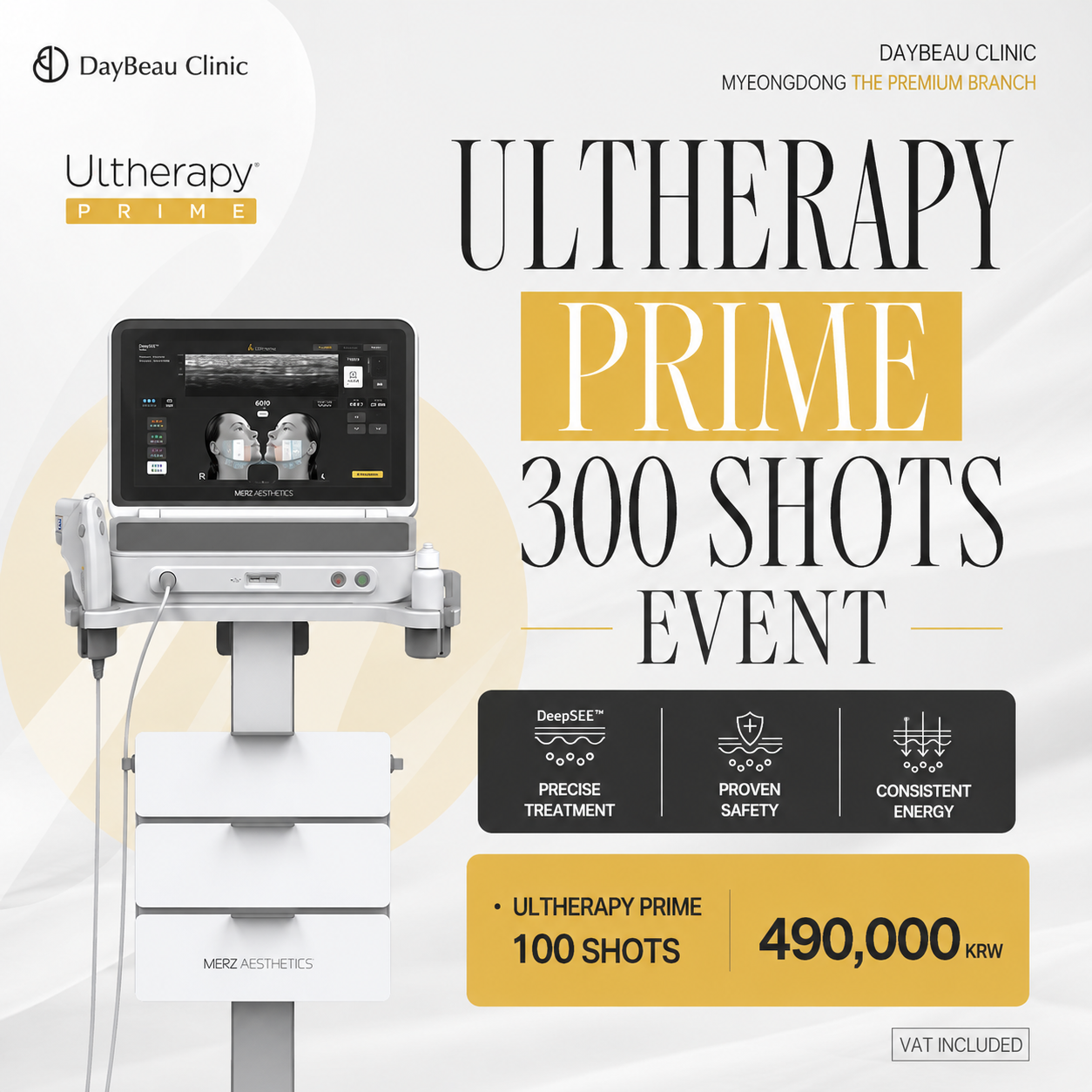
Ultherapy Recovery Time
Typical Downtime: Minimal to Few Days
Ultherapy is a non-surgical lifting treatment targeting deeper skin layers.
Possible effects:
- Mild redness
- Sensitivity
- Tingling
- Tightness
Results usually develop gradually over time.
Thermage FLX Recovery Time
Typical Downtime: Minimal
Thermage FLX uses radiofrequency energy to support skin firmness.
Possible temporary reactions:
- Warm sensation
- Mild redness
- Skin sensitivity
Many patients can continue their travel activities soon after treatment.
Acne Scar Treatment Recovery Time
Typical Downtime: Depends on Procedure
Acne scar treatments vary widely.
Examples:
Subcision
May involve:
- Swelling
- Bruising
- Tenderness
Fractional Laser
May involve:
- Redness
- Peeling
- Sensitivity
TCA CROSS
May involve:
- Scabbing
- Temporary redness
Recovery depends on scar severity and treatment combination.
Recovery Planning Based on Trip Length
Short Trip to Korea (2–4 Days)
Choose Treatments With Minimal Downtime
Patients with short stays may consider:
- Botox
- Some skin boosters
- Laser toning
- Low-downtime rejuvenation treatments
A consultation is still necessary before choosing procedures.
One Week Trip
More Treatment Options Are Possible
A seven-day stay may allow:
- Consultation
- Treatment sessions
- Recovery monitoring
- Follow-up appointments
Patients can schedule procedures earlier in the trip when possible.
Longer Medical Tourism Stay
More Advanced Treatment Planning
Longer visits allow time for:
- Multiple sessions
- Combination treatments
- Recovery periods
- Doctor evaluation
What Medical Tourists Should Avoid During Recovery
Excessive Sun Exposure
Protect Treated Skin From UV Damage
After many treatments, skin becomes more sensitive.
Patients should:
- Use sunscreen
- Wear protective clothing
- Avoid prolonged outdoor exposure
Saunas and Hot Baths
Heat May Increase Irritation
Many clinics recommend avoiding:
- Sauna visits
- Hot baths
- Steam rooms
immediately after certain treatments.
Heavy Exercise
Allow Skin Time to Recover
Intense exercise may increase:
- Redness
- Swelling
- Discomfort
Follow your clinic's recommendations.
Strong Skincare Products
Avoid Irritating Ingredients
During recovery, avoid using products containing:
- Strong acids
- Retinol
- Harsh exfoliants
unless approved by your dermatologist.
Flying After Skin Treatments in Korea
Ask Your Dermatologist Before Departure
Flight Timing Depends on Treatment Type
Before flying home, ask about:
- Recommended waiting period
- Skin condition
- Aftercare requirements
Prepare a Post-Flight Skincare Plan
Recovery Continues After Returning Home
International patients should continue:
- Gentle skincare
- Sunscreen use
- Hydration
- Doctor-recommended products
Questions to Ask Your Korean Dermatologist
How Much Downtime Should I Expect?
Understand realistic recovery expectations before treatment.
Can I Sightsee After This Procedure?
This helps plan your Seoul activities.
When Can I Apply Makeup Again?
Some treatments require temporary makeup restrictions.
Is It Safe to Fly After Treatment?
Discuss travel timing before scheduling procedures.
Will I Need Follow-Up Care?
Some treatments require monitoring after returning home.
Common Recovery Mistakes Medical Tourists Make
Scheduling Treatment Before Important Events
Allow Enough Healing Time
Avoid booking procedures immediately before:
- Weddings
- Photoshoots
- Major events
Ignoring Aftercare Instructions
Recovery Depends on Proper Care
Following professional advice improves comfort and results.
Choosing Treatments Without Considering Downtime
Travel Convenience Matters
The best treatment is one that fits both your skin goals and schedule.
How to Make Recovery Easier in Korea
Stay Near Your Clinic
Convenient Location Reduces Travel Stress
Staying nearby can help with:
- Follow-up appointments
- Rest after procedures
- Easier transportation
Keep Your Schedule Flexible
Avoid Overplanning Activities
Allow time for unexpected recovery needs.
Follow Professional Recommendations
Doctor Guidance Supports Better Results
Your dermatologist understands how your skin should recover.
Frequently Asked Questions
How long does recovery take after skin treatments in Korea?
Recovery depends on the procedure. Some treatments require only a few hours, while others may need several days or weeks.
Can medical tourists travel after cosmetic treatments in Korea?
Many patients can travel after treatment, but timing should be discussed with a dermatologist.
Which Korean skin treatments have the shortest recovery time?
Treatments such as Botox, laser toning, and some skin boosters often have minimal downtime.
Do laser treatments require recovery time?
Yes. Recovery depends on the laser type, intensity, and individual skin response.
Should I schedule treatments at the beginning or end of my Korea trip?
Many patients schedule treatments earlier to allow time for recovery and follow-up.
Conclusion
Understanding recovery time is essential for medical tourists planning skin treatments in Korea. While Seoul offers advanced dermatology procedures with excellent patient care, every treatment requires proper healing time and aftercare.
By choosing treatments that match your travel schedule, discussing recovery expectations with your dermatologist, and following post-treatment instructions, international patients can enjoy a safer and more successful Korean skincare journey. Proper planning allows tourists to experience the benefits of Korean dermatology while protecting their skin health and treatment results.