
Seoul's Transportation System: A Medical Tourist's Advantage
Introduction
For international patients visiting South Korea for cosmetic dermatology and aesthetic treatments, transportation is an important part of the overall medical tourism experience. A convenient and reliable transportation system can make clinic visits, consultations, follow-up appointments, and travel around the city much easier.
Seoul is widely recognized for having one of the world’s most efficient urban transportation networks. With an extensive subway system, affordable taxis, airport connections, and digital navigation services, medical tourists can move comfortably between hotels, clinics, shopping areas, and tourist attractions. This accessibility is one of the reasons Seoul remains a preferred destination for patients seeking advanced skin treatments.
Why Transportation Matters for Medical Tourists in Seoul
Medical tourism involves more than receiving treatment. International patients also need to manage travel logistics before and after procedures.
Easy transportation helps patients with:
- Reaching clinics on time
- Attending consultations
- Traveling for follow-up appointments
- Moving between hotels and medical facilities
- Exploring Seoul during recovery periods
For patients unfamiliar with Korea, a well-connected transportation system reduces stress and creates a smoother treatment journey.
Seoul Subway: The Most Convenient Transportation Option
The Seoul subway system is one of the biggest advantages for medical tourists. It connects major neighborhoods, business districts, tourist areas, and medical centers throughout the city.
Benefits of using the subway include:
- Affordable fares
- Reliable schedules
- Extensive coverage
- Clean stations
- Clear route information
- English-language support
Many visitors find the subway easier to use than transportation systems in other major cities.
Why the Subway Is Helpful for Clinic Visits
Many popular dermatology and aesthetic clinics are located near subway stations, making access convenient for international patients.
Medical tourists can easily travel to areas such as:
- Gangnam
- Apgujeong
- Cheongdam
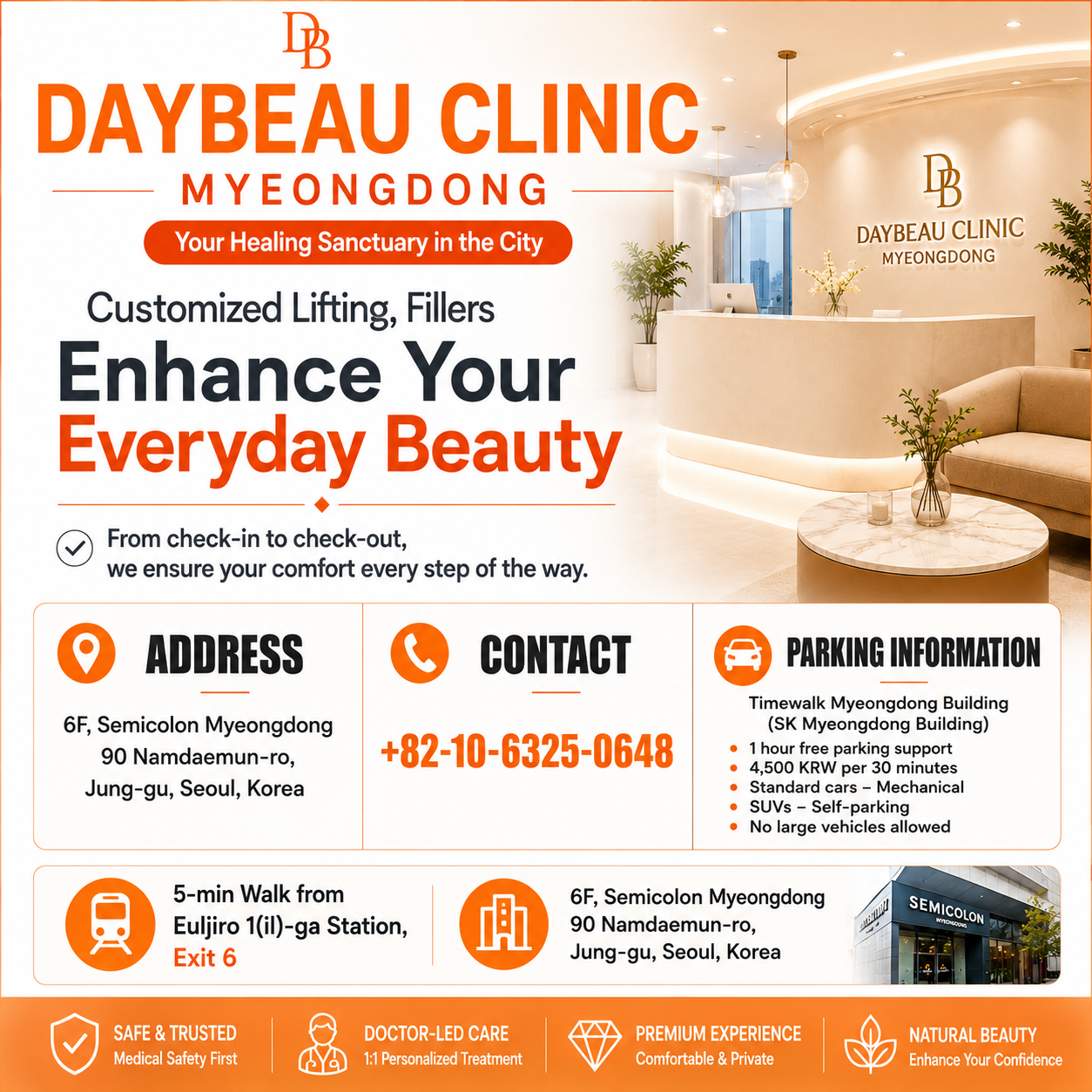
- Myeongdong
- Hongdae
These areas are known for medical facilities, shopping, dining, and tourist attractions.
Using the Subway After Skin Treatments
After certain cosmetic procedures, patients may prefer transportation that is comfortable and predictable.
The subway can be useful because:
- Stations are easy to locate
- Travel times are predictable
- Routes can be planned in advance
- Patients can avoid traffic delays
However, patients should follow their doctor’s advice regarding activity levels after treatments.
Seoul Taxi Services for Medical Tourists
Taxis are another convenient option, especially for patients who prefer door-to-door transportation.
Taxi advantages include:
- Direct travel to clinics
- Comfortable rides after procedures
- Availability throughout the city
- Useful for carrying luggage
Seoul offers different taxi options, including services designed to support foreign visitors.
International-Friendly Taxi Services
Many taxis in Seoul support international travelers through:
- Navigation systems
- Translation assistance
- Digital payment options
For medical tourists, taxis can be especially helpful when traveling to a clinic for the first time.
Airport Transportation: Easy Arrival for Medical Tourists
One of Seoul’s biggest transportation advantages is the connection between international airports and the city.
International patients can travel from the airport to Seoul through options such as:
- Airport railway services
- Airport buses
- Taxis
- Private transportation services
This makes the arrival process easier for visitors coming to Korea for medical treatments.
Getting From Incheon Airport to Seoul Clinics
Many international patients arrive through Incheon International Airport.
Common transportation options include:
- Airport railway connections
- Airport limousine buses
- Private vehicles
- Taxi services
Travel time depends on the clinic location, traffic conditions, and transportation method.
Digital Navigation Tools Make Travel Easier
Technology plays a major role in Seoul’s transportation convenience.
International visitors can use:
- Mobile navigation applications
- Digital subway maps
- Online transportation information
- Translation tools
These services help foreign patients navigate the city more confidently.
Popular Medical Tourism Areas and Transportation Access
Seoul’s major cosmetic dermatology districts are highly accessible by public transportation.
Gangnam: A Major Medical Tourism Hub
Gangnam is one of Seoul’s most famous areas for cosmetic dermatology and aesthetic clinics.
Transportation advantages include:
- Multiple subway connections
- Extensive bus routes
- Easy taxi access
- Nearby hotels and restaurants
Many international patients choose Gangnam because of its combination of medical services and convenience.
Apgujeong and Cheongdam: Premium Clinic Areas
Apgujeong and Cheongdam are known for high-end dermatology clinics and aesthetic centers.
Patients benefit from:
- Convenient subway access
- Nearby accommodations
- Premium shopping and dining options
These areas are popular among visitors seeking specialized cosmetic treatments.
Myeongdong: Convenient for First-Time Visitors
Myeongdong is popular among international tourists because of its central location.
Advantages include:
- Easy transportation connections
- Tourist-friendly environment
- Shopping and dining options
- Access to nearby medical facilities
Hongdae: A Comfortable Area for Younger Medical Tourists
Hongdae offers a lively atmosphere with:
- Subway accessibility
- Cafes and restaurants
- Shopping areas
- Tourist attractions
Some international visitors choose to stay here while combining treatment with travel experiences.
How Transportation Supports a Comfortable Recovery Experience
After cosmetic procedures, convenience becomes especially important.
A good transportation system helps patients:
- Avoid unnecessary walking
- Reach follow-up appointments
- Travel comfortably
- Maintain their planned schedule
Patients should always follow medical instructions regarding movement, sun exposure, and post-treatment activities.
Planning Transportation Before Your Medical Trip
International patients can make their Seoul experience easier by preparing transportation plans in advance.
Helpful tips include:
- Save clinic addresses in Korean.
- Check travel routes before appointments.
- Choose accommodation near transportation options.
- Allow extra time for clinic visits.
- Keep transportation apps available.
- Prepare payment methods for transportation.
Good planning helps reduce uncertainty during a medical trip.
Choosing Accommodation Near Transportation for Treatment Convenience
Location plays an important role when selecting a hotel or accommodation in Seoul.
Medical tourists may consider staying near:
- Subway stations
- Their chosen clinic area
- Airport transportation routes
- Restaurants and pharmacies
Staying in a convenient location can make treatment days much easier.
Why Seoul’s Transportation System Benefits International Patients
Compared with many global cities, Seoul offers several advantages:
- Efficient public transportation
- Affordable travel costs
- Strong connectivity
- Safe urban environment
- International accessibility
These benefits contribute to a more comfortable medical tourism experience.
Combining Medical Treatments With Seoul Travel
Many international patients combine cosmetic treatments with tourism activities.
Seoul transportation makes it easy to visit:
- Shopping districts
- Cultural attractions
- Restaurants
- Entertainment areas
Patients should plan activities carefully based on their recovery requirements.
Tips for Foreign Patients Using Transportation in Seoul
International visitors should remember:
- Carry clinic information in Korean.
- Use navigation apps for accurate directions.
- Avoid rushing after procedures.
- Keep emergency contact details available.
- Ask clinic coordinators for transportation guidance if needed.
Small preparations can make traveling around Seoul much easier.
Frequently Asked Questions
1. Is Seoul transportation easy for international medical tourists?
Yes. Seoul has an efficient transportation system with subway, taxi, and airport services that make traveling convenient for foreign visitors.
2. Can foreign patients use the Seoul subway easily?
Yes. Many subway stations provide English signs, route information, and digital navigation support.
3. What is the best transportation option for clinic visits in Seoul?
The best option depends on location and comfort needs. Subway and taxis are commonly used by medical tourists.
4. Are taxis convenient after cosmetic treatments?
Taxis can be a comfortable option after procedures because they provide direct transportation to hotels or clinics.
5. How do international patients travel from Incheon Airport to Seoul?
Visitors can use airport railway services, buses, taxis, or private transportation.
6. Which Seoul areas are popular for dermatology clinics?
Gangnam, Apgujeong, Cheongdam, and Myeongdong are popular areas for cosmetic dermatology services.
7. Should medical tourists stay near subway stations?
Staying near transportation options can make clinic visits and city travel more convenient.
8. Can clinic coordinators help international patients with transportation?
Many international-friendly clinics provide guidance about directions, appointments, and travel arrangements.
Conclusion
Seoul’s advanced transportation system is a major advantage for international medical tourists seeking cosmetic dermatology and aesthetic treatments. With convenient subway networks, reliable taxis, airport connections, and technology-based navigation tools, visitors can move around the city with confidence.
For patients traveling to South Korea for skin treatments, transportation convenience adds significant value to the overall experience. Combined with world-class dermatology clinics, advanced technology, and international patient services, Seoul provides a comfortable and accessible environment for medical tourism.