
Skin Treatments Guide in Seoul for Canadian Patients
Introduction
Seoul has become one of the world's most popular destinations for cosmetic dermatology, attracting international patients who seek advanced technology, experienced specialists, and high-quality skin treatments. Canadian patients often travel to South Korea for procedures such as laser treatments, acne therapy, chemical peels, skin boosters, Botox, dermal fillers, pigmentation correction, and skin rejuvenation.
Whether you are planning a dedicated medical trip or adding a dermatology appointment to your vacation, understanding how Seoul's healthcare system works can help you enjoy a safe and comfortable experience. From choosing a reputable clinic and preparing for your consultation to understanding recovery and follow-up care, proper planning is essential.
This guide provides practical information for Canadian patients considering skin treatments in Seoul.
Why Canadian Patients Choose Seoul for Skin Treatments
Seoul has earned a global reputation for innovation in cosmetic dermatology.
Many Canadian patients choose Seoul because of its:
- Advanced dermatology technology
- Experienced board-certified dermatologists
- Wide variety of treatment options
- Modern medical facilities
- Personalized treatment plans
- Efficient appointment scheduling
- Strong focus on skincare and aesthetic medicine
Many clinics also provide services designed specifically for international patients.
Popular Skin Treatments Available
Canadian visitors commonly seek treatments such as:
- Laser skin resurfacing
- Pigmentation removal
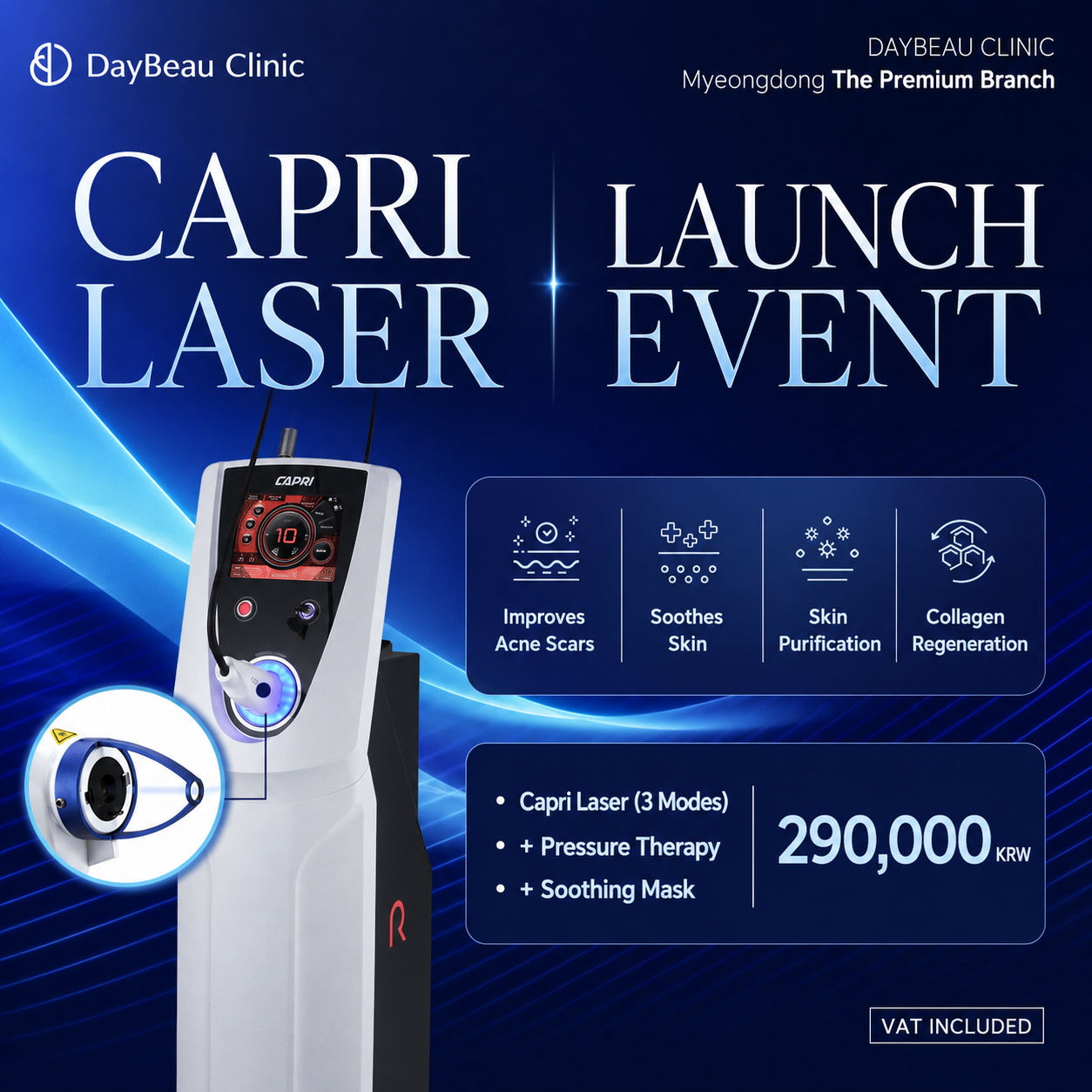
- Acne and acne scar treatments
- Skin boosters
- Chemical peels
- HydraFacial
- Botox
- Dermal fillers
- Microneedling
- Skin tightening procedures
A dermatologist will recommend treatments based on your skin condition, goals, and medical history.
Choosing a Reputable Dermatology Clinic
Selecting the right clinic is one of the most important parts of your medical journey.
Consider clinics that offer:
- Licensed dermatologists
- Modern treatment equipment
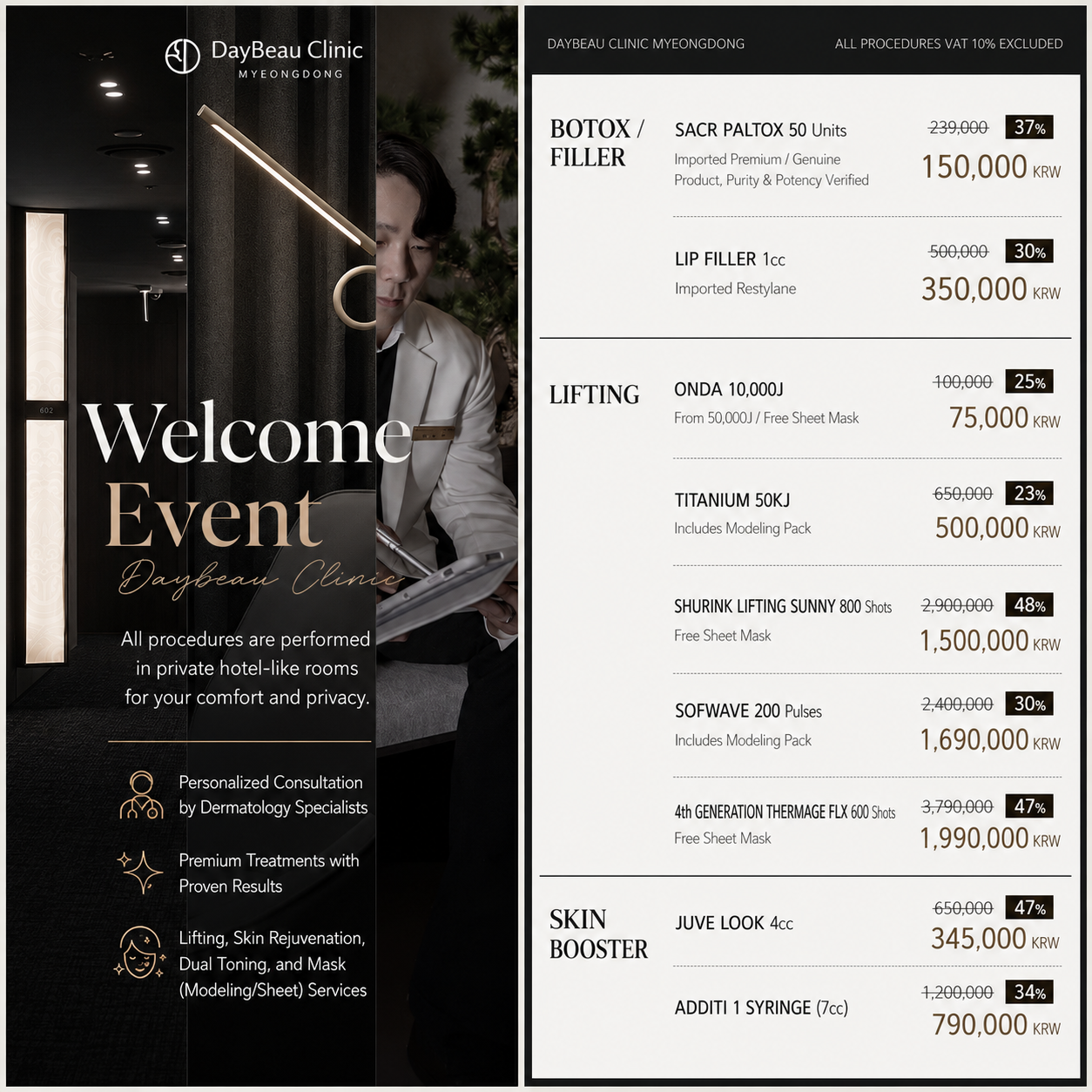
- Transparent pricing
- English-speaking staff
- Comprehensive consultations
- Personalized aftercare plans
- Positive reviews from international patients
Take time to research clinics before booking your appointment.
Preparing Before Your Trip
Good preparation helps ensure a smoother treatment experience.
Before traveling:
- Book your consultation in advance.
- Share your medical history.
- Inform the clinic about allergies.
- List all current medications.
- Discuss expected recovery time.
- Reserve accommodation close to your clinic.
- Purchase travel insurance if appropriate.
Planning ahead allows more time for recovery and follow-up care.
What Happens During Your Consultation?
Your first appointment typically includes:
- Skin examination
- Medical history review
- Discussion of cosmetic concerns
- Treatment recommendations
- Estimated costs
- Recovery timeline
Don't hesitate to ask questions before deciding on treatment.
Language Support
Many dermatology clinics in Seoul serving international patients have English-speaking coordinators.
Helpful communication tips include:
- Bring previous medical records if available.
- Explain any past cosmetic procedures.
- Request written aftercare instructions.
- Use translation apps if needed.
Clear communication helps ensure you fully understand your treatment plan.
Treatment Costs
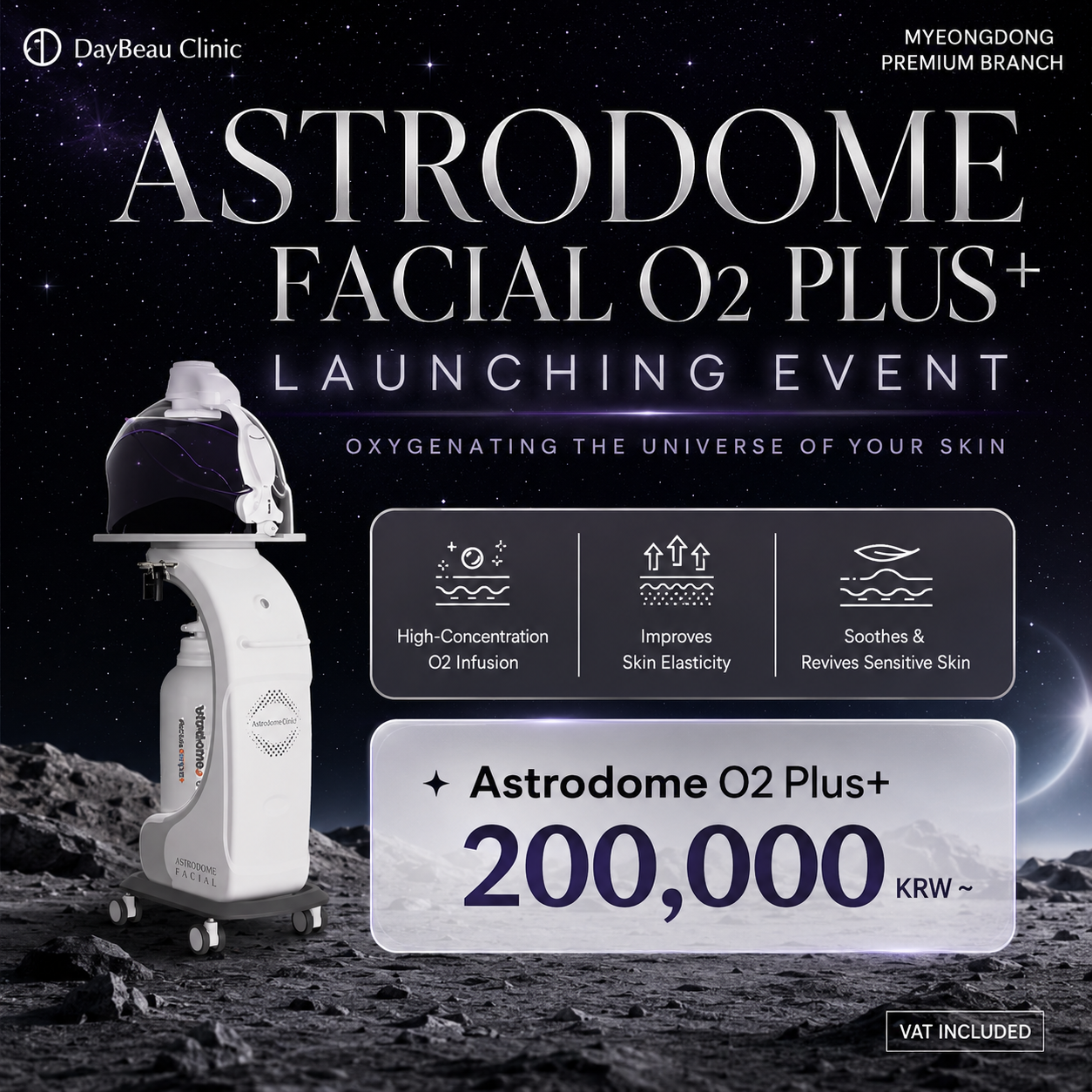
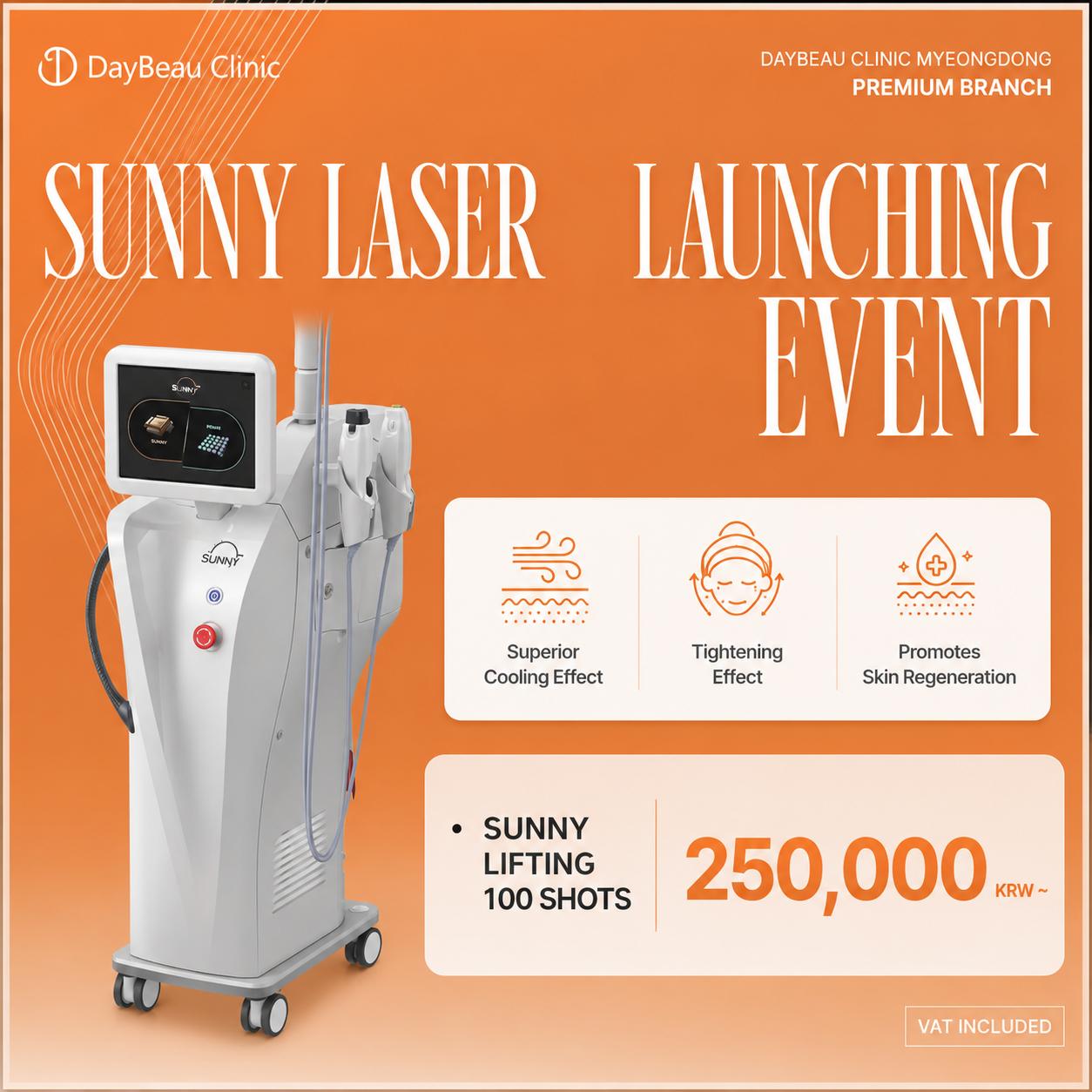
The cost of treatment depends on several factors, including:
- Type of procedure
- Technology used
- Number of treatment sessions
- Clinic location
- Additional skincare products
Always request a detailed estimate before beginning treatment.
Payment Options
Most clinics accept:
- Canadian credit cards
- International Visa and Mastercard
- Debit cards
- Cash
- Mobile payment options in some clinics
Confirm accepted payment methods before your appointment.
Prescription Medications
Following treatment, your dermatologist may prescribe:
- Antibiotic cream
- Healing ointments
- Pain relievers
- Anti-inflammatory medications
- Moisturizers
- Sunscreen suitable for sensitive skin
Prescriptions are generally filled at nearby pharmacies rather than inside the clinic.
Recovery After Treatment
Recovery varies depending on the procedure.
You may experience:
- Mild redness
- Temporary swelling
- Dryness
- Peeling
- Increased sensitivity
Most symptoms gradually improve with proper aftercare.
Protecting Your Skin
To promote recovery:
- Avoid prolonged sun exposure.
- Wear protective clothing.
- Stay hydrated.
- Use only dermatologist-approved skincare products.
- Avoid touching treated skin unnecessarily.
Following your clinic's instructions carefully supports optimal healing.
Follow-Up Care
Some treatments require follow-up appointments to monitor healing and treatment progress.
These visits may include:
- Skin evaluation
- Additional treatment sessions
- Skincare recommendations
- Progress photographs
If you return to Canada before follow-up, ask whether virtual consultations are available.
Emergency Medical Care
Although complications are uncommon, seek medical attention if you experience:
- Severe pain
- Fever
- Heavy bleeding
- Increasing redness
- Signs of infection
- Allergic reactions
Contact your clinic immediately or visit an emergency hospital if necessary.
Enjoying Seoul During Recovery
Many Canadian patients combine treatment with sightseeing.
Recovery-friendly activities include:
- Museums
- Shopping malls
- Traditional tea houses
- Art galleries
- Indoor cafés
- Gentle walks in shaded parks
Avoid strenuous exercise until your dermatologist advises it is safe.
Healthy Eating During Recovery
Nutritious meals support overall healing.
Choose foods such as:
- Fresh vegetables
- Fruit
- Lean protein
- Whole grains
- Yogurt
- Plenty of water
Limit alcohol if recommended by your dermatologist.
Understanding Differences Between Canada and Korea
Healthcare experiences may differ between the two countries.
For example:
- Consultations may be more streamlined.
- Prescriptions are usually filled at separate pharmacies.
- Follow-up appointments are commonly recommended.
- Clinics frequently use advanced skin imaging systems.
Understanding these differences helps you prepare for your visit.
Travel Planning Tips
For a smooth experience:
- Arrive in Seoul at least one day before treatment.
- Schedule enough recovery time before your flight home.
- Save your clinic's emergency contact information.
- Book flexible flights if possible.
- Stay close to your clinic during recovery.
Thoughtful planning reduces travel-related stress.
Frequently Asked Questions
Can Canadian patients receive skin treatments in Seoul?
Yes. Many dermatology clinics in Seoul regularly welcome international patients, including visitors from Canada.
Do clinics speak English?
Many clinics that specialize in international patients provide English-speaking coordinators or interpreters.
How long should I stay in Seoul after treatment?
The ideal length of stay depends on your procedure. Many patients remain in Seoul for several days to allow for recovery and follow-up appointments.
Can I fly back to Canada after treatment?
Many non-invasive treatments allow patients to fly after a short recovery period. Always follow your dermatologist's recommendations before traveling.
Common Mistakes to Avoid
Avoid these common mistakes:
- Booking treatment immediately before your flight home.
- Choosing a clinic based only on price.
- Ignoring aftercare instructions.
- Spending too much time in direct sunlight.
- Trying unfamiliar skincare products.
- Skipping follow-up appointments.
Careful preparation contributes to better treatment outcomes.
Final Thoughts
Seoul is one of the world's leading destinations for cosmetic dermatology, offering Canadian patients access to advanced technology, experienced specialists, and a wide range of modern skin treatments. With careful planning, open communication with your dermatologist, and consistent aftercare, you can enjoy a safe and rewarding medical travel experience.
By choosing a reputable clinic, allowing sufficient recovery time, protecting your skin from environmental factors, and following your personalized treatment plan, you can maximize your results while enjoying everything Seoul has to offer during your visit.