
Rejuran and PRP in Korea: Natural Skin Healing and Rejuvenation Guide
Introduction
South Korea has become a leading destination for advanced aesthetic dermatology, attracting international patients who are interested in natural-looking skin rejuvenation treatments. Korean dermatology clinics are known for combining innovative procedures that focus on improving skin quality, elasticity, hydration, and overall appearance. Among the popular regenerative treatments, Rejuran and PRP therapy are gaining attention from patients who want a more natural approach to skin renewal without traditional surgical procedures.
Many patients visiting Korea ask whether Rejuran and PRP can be combined and how these treatments work together. Both treatments are associated with skin rejuvenation, but they use different approaches. Rejuran uses polynucleotides (PN) to support skin quality and regeneration, while PRP uses concentrated platelets from the patient’s own blood to support the body’s natural healing process. This guide explains how Rejuran and PRP work, their benefits, treatment process, recovery, results, costs, and important information for international patients considering these treatments in Korea.
What Are Rejuran and PRP Treatments?
Understanding Rejuran Treatment
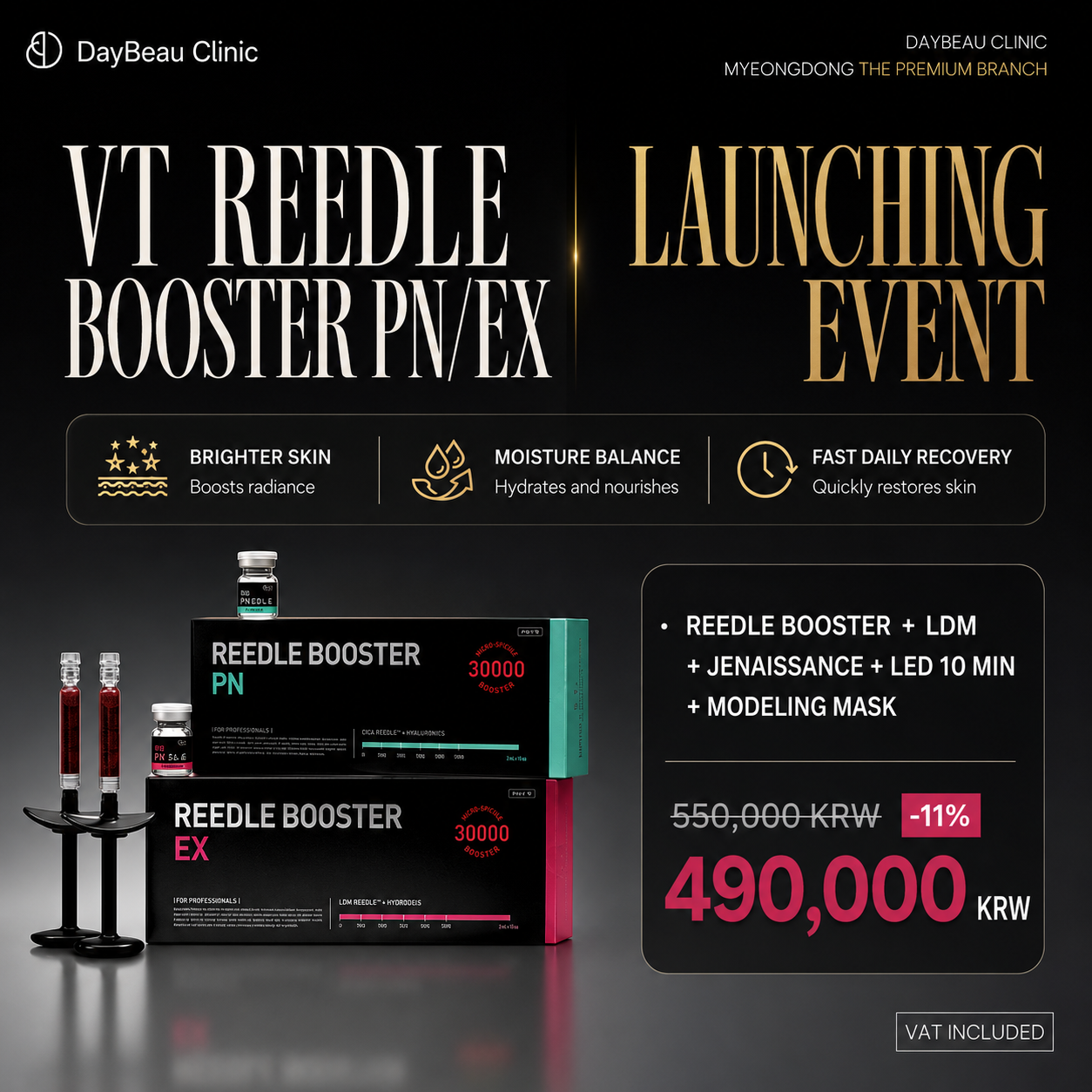
Rejuran is a popular injectable skin rejuvenation treatment in South Korea that contains purified polynucleotides (PN). Unlike traditional dermal fillers, Rejuran does not primarily focus on adding facial volume. Instead, it is designed to improve skin condition and support healthier-looking skin.
Rejuran is commonly considered for patients concerned about:
- Fine lines
- Uneven skin texture
- Enlarged pores
- Reduced elasticity
- Dry or tired-looking skin
- Acne scars
- Early signs of aging
How Rejuran Works
Rejuran is injected into the skin to support the skin’s natural repair environment. The treatment gradually improves skin quality as the skin responds over time.
Potential improvements may include:
- Smoother skin texture
- Improved hydration
- Better elasticity appearance
- More refined pores
- Healthier-looking complexion
Results vary depending on skin condition, age, lifestyle, and individual response.
Understanding PRP Therapy
Platelet-rich plasma (PRP) therapy is a regenerative aesthetic treatment that uses a patient’s own blood components. During the procedure, a small amount of blood is collected, processed to concentrate platelets, and then injected into targeted skin areas.
PRP is commonly used for concerns such as:
- Dull skin appearance
- Early signs of aging
- Uneven skin quality
- Fine lines
- Reduced skin vitality
- Hair restoration support
How PRP Works
PRP contains growth factors found naturally in platelets. These components are involved in the body’s healing processes.
Potential benefits may include:
- Supporting skin renewal
- Improving skin texture
- Enhancing skin vitality
- Promoting a healthier-looking complexion
Individual results can vary depending on the patient’s condition.
Can Rejuran and PRP Be Combined?
Yes, They May Complement Each Other
Rejuran and PRP work through different mechanisms, which is why some Korean dermatologists may consider combining them as part of a personalized skin rejuvenation plan.
Rejuran focuses on:
- Skin quality improvement
- Hydration support
- Elasticity enhancement
- Texture refinement
PRP focuses on:
- Using the patient’s own biological materials
- Supporting natural healing processes
- Improving overall skin vitality
When combined appropriately, these treatments may provide a broader approach to skin rejuvenation.
Why This Combination Is Popular in Korea
Korean aesthetic medicine often emphasizes customized treatment plans rather than using a single procedure for every patient.
The Rejuran and PRP combination may be considered for patients who want:
- Natural-looking skin improvement
- Better skin texture
- Improved elasticity
- Healthier skin appearance
- Non-surgical rejuvenation
A dermatologist will determine whether the combination is appropriate based on individual skin needs.
Benefits of Rejuran and PRP Combination Treatment
Natural Skin Rejuvenation Approach
Both Rejuran and PRP are popular among patients who prefer gradual and natural-looking improvements.
Potential benefits may include:
- Improved skin quality
- Smoother texture
- Better hydration
- Enhanced skin firmness
- Refreshed appearance
Multiple Skin Concerns Can Be Addressed
The combination may be considered for patients with several concerns at the same time.
These may include:
- Fine lines and wrinkles
- Uneven texture
- Dull complexion
- Reduced elasticity
- Early aging changes
Rejuran vs PRP: What Is the Difference?
Different Sources and Treatment Methods
Although both treatments are associated with skin rejuvenation, their approaches are different.
CategoryRejuranPRPSourcePolynucleotides (PN)Patient’s own blood plateletsTreatment TypeInjectable skin rejuvenationRegenerative injection therapyMain FocusSkin quality and repair supportNatural healing supportBest ForTexture, elasticity, fine linesSkin vitality and regenerationPersonal Material UsedNoYes
Which Treatment Is Better?
There is no universally better option because the treatments address different goals.
Rejuran may be preferred for patients who want:
- Skin texture improvement
- Hydration support
- Elasticity improvement
PRP may be preferred for patients who want:
- Natural regenerative support
- Use of their own biological materials
- Overall skin revitalization
A consultation helps determine which treatment fits the patient’s goals.
Who Is a Good Candidate?
Candidates for Rejuran
Rejuran may be suitable for patients with:
- Fine lines
- Dry skin
- Uneven texture
- Enlarged pores
- Reduced firmness
- Early aging concerns
Candidates for PRP
PRP may be considered for patients with:
- Dull-looking skin
- Mild signs of aging
- Reduced skin vitality
- Desire for natural-based treatments
Candidates for Combination Treatment
Patients who may discuss Rejuran and PRP include:
- Adults seeking non-surgical rejuvenation
- International patients visiting Korea
- Patients who prefer gradual results
- Individuals with multiple skin concerns
Medical evaluation is required before treatment.
Rejuran and PRP Treatment Process in Korea
Consultation and Skin Analysis
Before treatment, Korean dermatology clinics typically perform a detailed consultation.
The dermatologist may evaluate:
- Skin condition
- Aging concerns
- Previous treatments
- Skin sensitivity
- Desired results
This helps create a customized treatment plan.
PRP Procedure
A typical PRP procedure includes:
- Blood collection
- Processing blood to separate platelet-rich plasma
- Preparing the treatment area
- Injecting PRP into targeted areas
- Applying soothing care
Rejuran Procedure
A typical Rejuran procedure includes:
- Skin cleansing
- Numbing cream application if needed
- Rejuran injections
- Cooling or soothing treatment
- Aftercare guidance
The exact procedure may vary depending on the clinic and patient needs.
Recovery After Rejuran and PRP
Rejuran Recovery
Temporary effects may include:
- Small bumps
- Redness
- Mild swelling
- Bruising
- Tenderness
These effects usually improve within several days.
PRP Recovery
After PRP treatment, patients may experience:
- Mild redness
- Swelling
- Tenderness
- Injection marks
Recovery time varies depending on individual response.
Aftercare Tips
After treatment, patients should:
- Avoid touching treated areas unnecessarily
- Use gentle skincare products
- Apply sunscreen regularly
- Avoid excessive heat exposure
- Follow clinic instructions carefully
Results and Treatment Timeline
Rejuran Results
Rejuran results develop gradually as skin quality improves.
Patients may notice:
- Smoother texture
- Better hydration
- Improved elasticity appearance
- Healthier-looking skin
PRP Results
PRP results also develop gradually as the skin responds to treatment.
Possible improvements include:
- Enhanced skin vitality
- Improved overall appearance
- More refreshed-looking skin
Combined Treatment Results
When combined, Rejuran and PRP may support different aspects of skin rejuvenation.
Results depend on:
- Age
- Skin condition
- Number of sessions
- Lifestyle
- Individual response
Cost of Rejuran and PRP in Korea
Factors That Affect Treatment Cost
The price of Rejuran and PRP treatments varies depending on:
- Clinic location
- Doctor experience
- Treatment areas
- Number of sessions
- Amount of product required
- Personalized treatment plan
Popular aesthetic areas in Seoul include:
- Gangnam
- Apgujeong
- Cheongdam
- Myeongdong
Patients should consider safety, expertise, and treatment quality when selecting a clinic.
Why Choose Korea for Rejuran and PRP?
Advanced Korean Dermatology
South Korea is recognized internationally for advanced cosmetic dermatology and innovative skin treatments.
International patients choose Korea because of:
- Experienced dermatologists
- Advanced treatment techniques
- Personalized care
- Modern facilities
- International patient services
Seoul Medical Tourism Experience
Many visitors combine aesthetic treatments with their travel plans.
Patients often arrange:
- Dermatology consultations
- Skin treatments
- Beauty shopping
- Seoul sightseeing
Tips for International Patients
Choosing the Right Clinic
Before booking treatment, consider:
- Doctor qualifications
- Experience with regenerative treatments
- Communication support
- Treatment explanation
- Follow-up care options
Questions to Ask During Consultation
Patients should ask:
- Are Rejuran and PRP suitable for my skin?
- Should these treatments be combined?
- Which treatment should come first?
- How many sessions may I need?
- What results should I realistically expect?
Frequently Asked Questions (FAQs)
Can Rejuran and PRP be combined in Korea?
Yes, some Korean dermatologists combine these treatments as part of a customized skin rejuvenation plan.
Which is better, Rejuran or PRP?
Neither treatment is better for everyone. They work differently and are selected based on individual skin concerns.
Is PRP completely natural?
PRP uses the patient’s own blood components, which is why many patients consider it a natural-based treatment option.
How long do Rejuran and PRP results last?
Results vary depending on treatment type, lifestyle, skin condition, and maintenance.
Is there downtime after Rejuran and PRP?
Patients may experience temporary redness, swelling, bruising, or injection marks.
Can international patients receive these treatments in Seoul?
Yes, many Korean dermatology clinics provide Rejuran and PRP treatments for international visitors.
How many sessions are recommended?
The number of sessions depends on the patient’s skin condition and dermatologist recommendations.
When should I schedule treatment during my Korea trip?
Patients should plan enough time for consultation, treatment, and recovery based on their individual treatment plan.
Conclusion
Rejuran and PRP in Korea are popular options for patients seeking natural skin rejuvenation and improved skin quality without surgery. While Rejuran focuses on supporting skin condition through polynucleotides, PRP uses the patient’s own platelet components to support the body’s natural healing process.
For international patients visiting Seoul, combining Rejuran and PRP may offer a personalized approach to improving texture, hydration, and overall skin appearance. The most important step is choosing an experienced Korean dermatologist who can evaluate your skin and recommend a safe treatment plan based on your goals and individual needs.