
How to Treat Red Acne Marks (PIE) Treatments in Seoul
Introduction
Red acne marks, medically known as Post-Inflammatory Erythema (PIE), are a common skin concern that appears after acne inflammation has healed. These marks usually appear as red, pink, or purple areas on the skin because acne inflammation affects small blood vessels near the surface. Unlike acne scars that create changes in skin texture, PIE is mainly related to vascular changes and prolonged redness.
For many people, red acne marks can remain visible for weeks or months after acne disappears. In Seoul, Korea, dermatology clinics offer advanced treatments such as vascular lasers, IPL, and customized skin rejuvenation programs to help improve persistent redness. International patients, medical tourists, and expats often choose Korean dermatology clinics because of their modern technology and personalized treatment approaches.
Understanding Red Acne Marks (PIE)
What Is Post-Inflammatory Erythema (PIE)?
Post-Inflammatory Erythema refers to persistent redness that remains after acne has healed.
When acne causes inflammation, the body increases blood circulation to support skin repair. In some cases, tiny blood vessels remain enlarged or more visible, creating red or pink marks on the skin.
PIE commonly appears as:
- Flat red or pink spots
- Areas of lingering redness after acne
- Visible marks without skin indentation
- Increased redness after heat, exercise, or sun exposure
Unlike pigmentation problems, PIE is not caused by excess melanin. This is why traditional brightening products may not provide significant improvement.
Difference Between PIE and Other Acne Concerns
Understanding the difference between acne-related skin concerns is important when choosing treatment.
Skin ConcernMain CauseAppearanceCommon TreatmentsPIEBlood vessel changes after acne inflammationRed or pink flat marksVascular laser, IPLAcne scarsCollagen damageDepressed or raised textureLaser resurfacing, subcisionPost-acne pigmentationIncreased melanin productionBrown or dark spotsPigment lasers, skincare
A dermatologist can determine whether redness is caused by PIE, pigmentation, active acne, or another skin condition.
Causes of Red Acne Marks (PIE)
Acne Inflammation and Blood Vessel Changes
The main cause of PIE is inflammation from acne lesions.
When acne becomes inflamed, the skin’s healing process increases blood flow to the affected area. Sometimes, the small blood vessels remain visible even after the acne lesion has healed.
Common causes include:
- Inflamed acne
- Cystic acne
- Picking or squeezing pimples
- Delayed acne treatment
- Repeated acne outbreaks
Factors That Make PIE Last Longer
Several factors can make red acne marks more noticeable or longer-lasting:
- Sun exposure
- Sensitive skin
- Weak skin barrier
- Harsh skincare products
- Over-exfoliation
- Repeated acne inflammation
Maintaining gentle skincare and controlling active acne can help reduce the chance of developing new PIE.
Best Treatments for Red Acne Marks (PIE) in Seoul
Vascular Laser Treatment
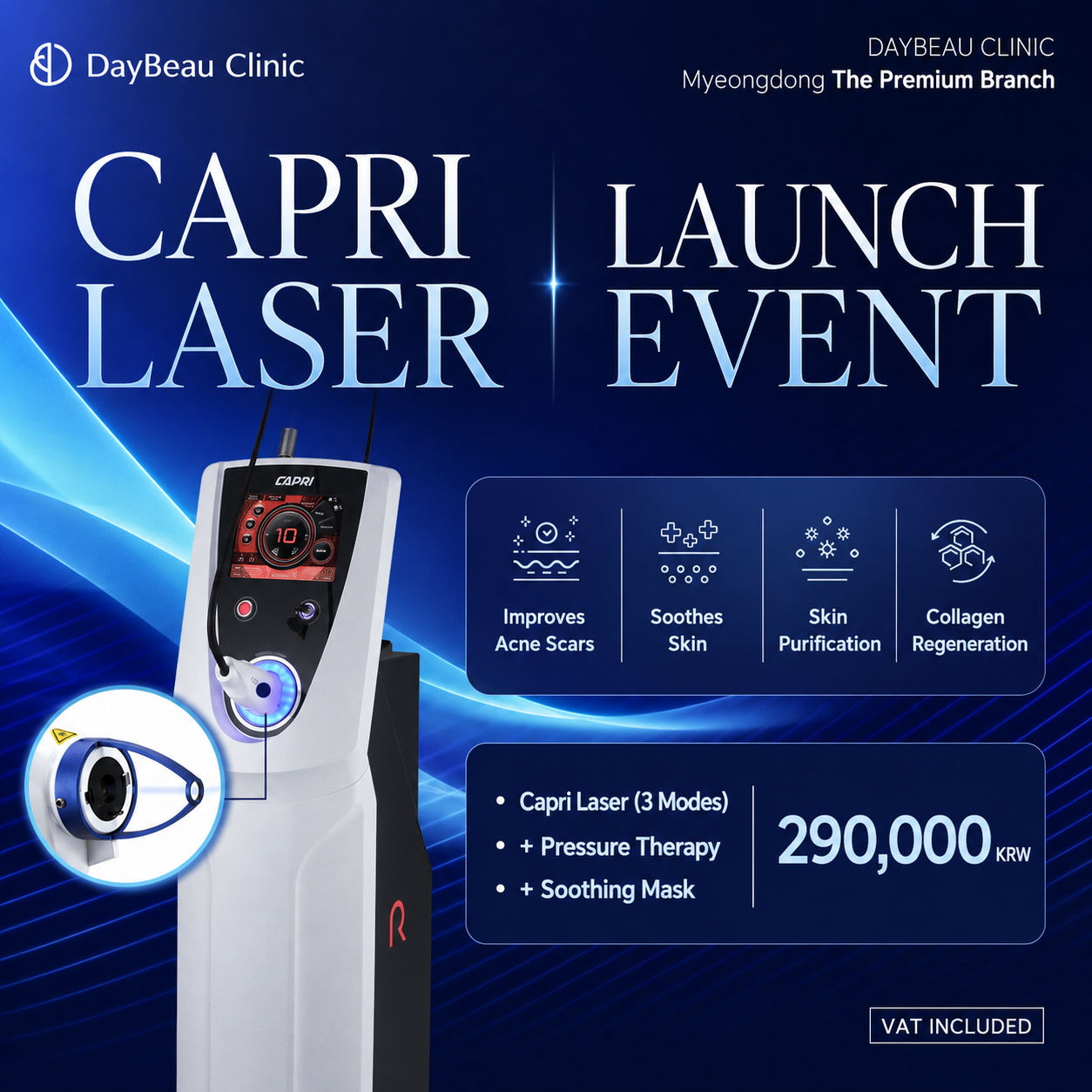
Vascular laser treatment is one of the most common procedures used for persistent acne redness in Korean dermatology clinics.
These lasers specifically target visible blood vessels beneath the skin. The treatment helps reduce excessive redness while supporting a more even skin appearance.
Common vascular laser options include:
- Pulsed Dye Laser (PDL)
- Vbeam laser
- Other vascular-targeting laser systems
Potential benefits include:
- Reduced redness
- Improved skin tone balance
- Less visible acne marks
- Minimal damage to the skin surface
The number of sessions depends on the severity of PIE and individual skin response.
IPL Treatment for Red Acne Marks
Intense Pulsed Light (IPL) is another popular option for improving redness and uneven skin tone.
IPL uses different wavelengths of light to target pigmentation and vascular concerns.
Possible benefits include:
- Reduction of facial redness
- Improved overall skin tone
- Brighter skin appearance
- Support for skin rejuvenation
IPL may be suitable for patients with mild PIE or widespread redness.
LDM Therapy and Skin Calming Treatments
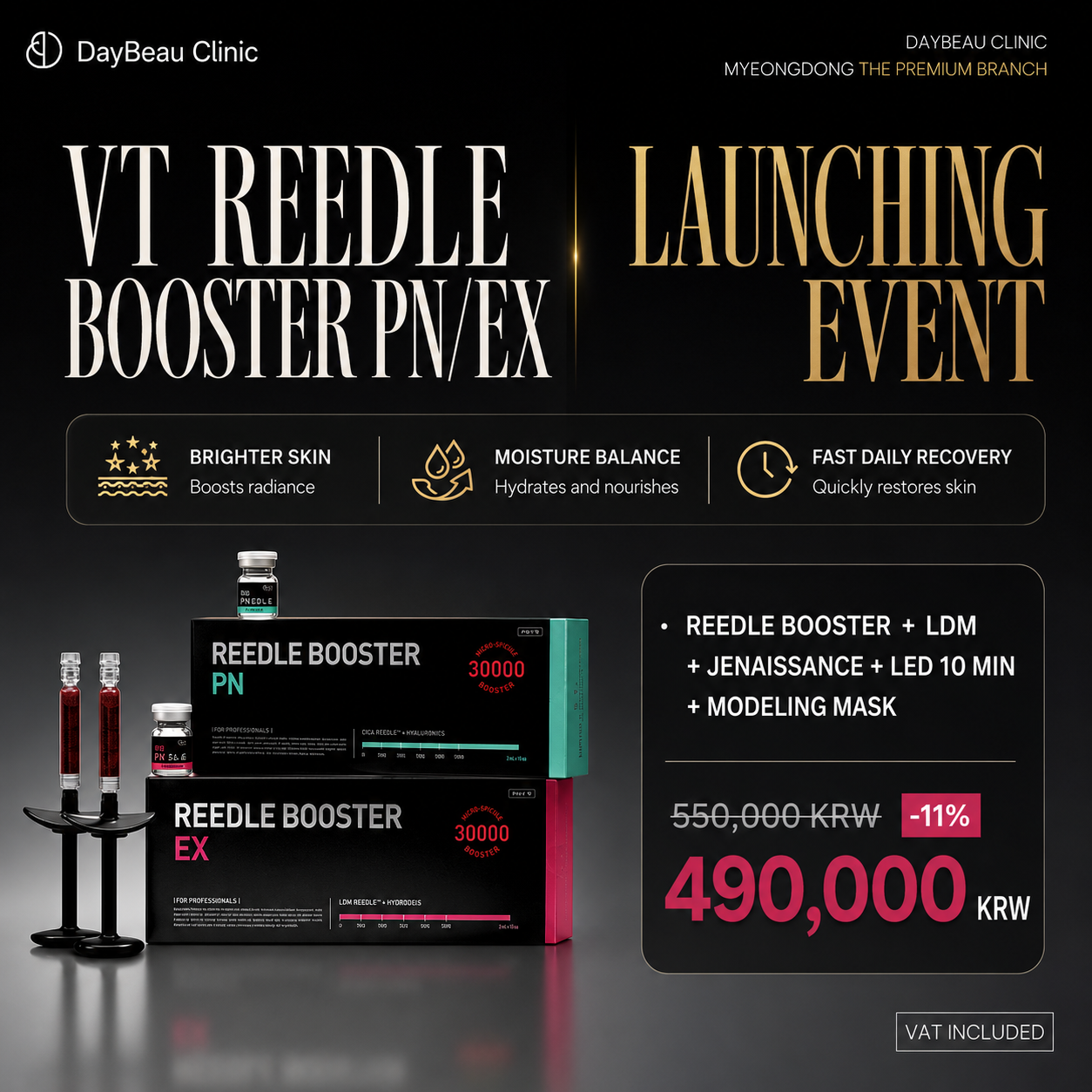
Some Korean dermatology clinics use LDM (Local Dynamic Micromassage) therapy as a supportive treatment for sensitive and inflamed skin.
LDM therapy may help support:
- Skin barrier recovery
- Reduced irritation
- Improved hydration
- Better skin comfort
It is often combined with other procedures for patients who experience sensitivity.
Skin Booster Treatments
Skin boosters may be recommended as supportive treatments alongside PIE procedures.
These treatments focus on improving overall skin condition by supporting:
- Hydration
- Skin elasticity
- Texture improvement
- Skin barrier health
A dermatologist determines whether skin boosters are suitable based on individual skin needs.
Combination Treatments for PIE in Seoul
Why Korean Dermatologists Use Combination Therapy
Red acne marks are often associated with other concerns such as acne scars, uneven texture, enlarged pores, or sensitive skin.
Because of this, Korean dermatologists often create combination treatment plans instead of using only one procedure.
A customized PIE treatment plan may include:
- Vascular laser
- IPL
- Skin boosters
- LDM therapy
- Acne control treatments
- Medical skincare
Benefits of Customized Treatment Plans
Combination treatments may help address multiple skin concerns, including:
- Persistent redness
- Uneven skin appearance
- Sensitive skin
- Post-acne inflammation
- Overall skin quality
The ideal combination depends on the patient's skin condition and treatment goals.
Who Is a Good Candidate for PIE Treatment?
Ideal Candidates
PIE treatment may be suitable for people who:
- Have persistent red acne marks
- Have healed acne but ongoing redness remains
- Want a more even skin tone
- Have realistic expectations
- Have controlled active acne
A dermatologist consultation is recommended before starting treatment.
Patients Who Need Additional Evaluation
Some patients may require further evaluation if they have:
- Active severe acne
- Rosacea-like symptoms
- Skin infections
- Severe irritation
- Unknown causes of redness
Proper diagnosis helps ensure the correct treatment approach.
PIE Treatment Process in Seoul
Dermatology Consultation
The treatment process usually begins with a detailed skin consultation.
The dermatologist evaluates:
- Type of acne marks
- Level of redness
- Skin sensitivity
- Previous treatments
- Current skincare routine
This helps determine the most suitable treatment option.
Treatment Procedure
A typical PIE treatment session may include:
- Skin cleansing
- Skin preparation
- Application of laser or selected treatment
- Cooling or calming care
- Post-treatment skincare guidance
The treatment duration depends on the procedure and treatment area.
Number of Sessions Needed
The number of sessions varies depending on:
- Severity of PIE
- Treatment method
- Skin condition
- Individual healing response
Some patients may see gradual improvement after initial treatments, while others require multiple sessions.
Recovery After PIE Treatment
Common Temporary Effects
After treatment, patients may experience:
- Mild redness
- Warm sensation
- Slight swelling
- Temporary sensitivity
These effects usually improve depending on the procedure used.
Aftercare Tips
Patients should:
- Apply sunscreen every day
- Avoid direct sunlight
- Use gentle skincare products
- Avoid harsh exfoliation
- Keep skin moisturized
Proper aftercare helps protect the skin and support recovery.
Cost of PIE Treatment in Seoul
Factors Affecting Treatment Cost
The cost of red acne mark treatment in Seoul depends on:
- Treatment type
- Number of sessions
- Laser technology used
- Clinic location
- Doctor experience
- Combination procedures
Patients should consider treatment safety, expertise, and quality rather than choosing only the lowest price.
Why Choose Seoul, Korea for PIE Treatment?
Advanced Dermatology Technology
Seoul is known for its advanced aesthetic medicine industry and innovative dermatology treatments.
Many Korean clinics provide:
- Modern laser technology
- Detailed skin analysis
- Customized treatment plans
- Professional aftercare support
Experienced Dermatologists
Seoul dermatologists treat a wide range of acne-related concerns, including:
- PIE
- Acne scars
- Pigmentation
- Uneven skin texture
Treatment plans are usually customized according to each patient's skin type and goals.
Tips for International Patients Visiting Seoul
Before Your Appointment
International patients should:
- Research dermatology clinics
- Check language support
- Prepare skincare history
- Share previous treatments
- Ask about recovery time
During Your Stay in Korea
Patients should:
- Schedule appointments before arrival
- Plan recovery time
- Protect skin from sunlight
- Follow aftercare instructions
Choosing the Right PIE Treatment Clinic in Seoul
Important Factors to Consider
A reliable dermatology clinic should provide:
- Doctor-led consultation
- Accurate skin evaluation
- Personalized treatment plans
- Clear explanations
- Realistic expectations
Patients should avoid clinics that promise guaranteed results because treatment outcomes vary between individuals.
Conclusion
Red acne marks (PIE) can remain visible even after acne has healed, but professional treatments in Seoul, Korea can help improve persistent redness through advanced dermatology procedures and customized treatment plans.
Vascular lasers, IPL, skin calming therapies, and combination treatments are commonly used to address PIE. The most suitable option depends on skin type, severity of redness, and individual treatment goals.
For international patients considering PIE treatment in Seoul, choosing an experienced dermatology clinic and receiving a proper skin evaluation are important steps toward achieving healthier-looking and more balanced skin.
Frequently Asked Questions About Red Acne Mark (PIE) Treatment in Seoul
What is the best treatment for red acne marks (PIE) in Seoul?
The best treatment depends on the severity of redness and individual skin condition. Many dermatologists use vascular lasers, IPL, and customized combination treatments.
How long does PIE take to improve?
PIE improvement varies between individuals. Some patients notice gradual changes after treatment, while others may require multiple sessions.
Is PIE the same as acne scars?
No. PIE is caused by blood vessel changes after inflammation, while acne scars involve structural changes caused by collagen damage.
Can laser treatment remove red acne marks completely?
Laser treatments can reduce the appearance of PIE, but results vary depending on skin condition and individual response.
How many sessions are needed for PIE treatment?
The number of sessions depends on the severity of redness, selected treatment method, and personal healing response.
Why do international patients choose Seoul for PIE treatment?
Seoul offers advanced dermatology technology, experienced doctors, and customized acne treatment programs for international patients.
Can PIE come back after treatment?
New acne inflammation or skin irritation can contribute to new redness. Proper skincare and acne management may help reduce recurrence.
How should I prepare for PIE treatment in Korea?
Patients should prepare their skincare history, avoid irritating products before treatment, and discuss expectations with the dermatologist.