
How to Remove Milia Safely in Korean Clinics: Dermatology Guide
Introduction
Milia are small, white or skin-colored bumps that commonly appear around the eyes, cheeks, forehead, and other areas of the face. They develop when keratin, a protein naturally found in the skin, becomes trapped beneath the skin surface. Although milia are harmless and do not usually cause medical problems, many people seek professional treatment because they can affect skin texture and appearance.
Unlike acne, milia are not caused by bacteria or clogged pores from excess oil. This means common acne treatments may not remove them effectively. Safe removal usually requires professional dermatology procedures that carefully extract or treat the trapped keratin while minimizing the risk of scarring.
South Korea is recognized for its advanced dermatology clinics, precise skin procedures, and personalized skincare approaches. Korean dermatologists use professional extraction techniques, laser treatments, and customized skin care programs to safely remove milia and improve overall skin condition. International patients, expats, and medical tourists visiting Seoul can access dermatologist-guided treatments designed for different skin concerns.
This guide explains how to remove milia safely in Korean clinics, including causes, diagnosis, treatment options, recovery, costs, and tips for international patients.
Understanding Milia
What Are Milia?
Milia are tiny cyst-like bumps that form when keratin becomes trapped under the outer layer of the skin.
They usually appear as:
- Small white bumps
- Pearl-like spots
- Smooth raised areas
- Skin-colored or slightly yellow bumps
Common areas include:
- Around the eyes
- Eyelids
- Cheeks
- Nose
- Forehead
- Chin
Milia are usually harmless but may remain for a long time without treatment.
Milia vs Acne
Milia and acne may look similar, but they are different skin conditions.
Milia:
- Are caused by trapped keratin
- Usually do not contain pus
- Are not related to bacteria
- Do not respond well to acne medication alone
Acne:
- Involves clogged pores
- May include inflammation
- Can contain blackheads, whiteheads, or pimples
A dermatologist can accurately identify the condition and recommend the appropriate treatment.
Common Causes of Milia
Trapped Keratin
The main cause of milia is trapped keratin beneath the skin surface.
When dead skin cells do not naturally shed, small cysts may form.
Skin Trauma and Procedures
Milia can sometimes develop after skin damage or treatments.
Possible causes include:
- Laser procedures
- Chemical peels
- Skin injuries
- Inflammation
Heavy Skincare Products
Some thick skincare products may contribute to milia formation in certain individuals.
Examples include:
- Heavy creams
- Occlusive products
- Rich eye creams
Sun Damage and Aging
Skin aging and sun exposure may affect the skin’s natural renewal process.
This can increase the likelihood of developing milia.
How Korean Dermatologists Diagnose Milia
Professional Skin Examination
Before treatment, Korean dermatologists evaluate:
- Appearance of bumps
- Location of milia
- Number of lesions
- Skin sensitivity
- Previous skincare treatments
Accurate diagnosis helps prevent unnecessary treatment.
Digital Skin Analysis
Many Korean dermatology clinics use advanced skin analysis systems to examine:
- Skin texture
- Hydration levels
- Skin barrier condition
- Overall skin health
This helps create personalized skincare recommendations.
Best Milia Removal Treatments in Korean Clinics
Professional Milia Extraction
Professional extraction is one of the most common treatments for milia.
During the procedure, a dermatologist or trained medical professional creates a small opening and carefully removes the trapped keratin.
Potential benefits include:
- Immediate removal of visible milia
- Minimal skin damage
- Reduced risk of scarring when performed properly
Professional extraction is especially common for small numbers of milia around the eyes and face.
Laser Treatment for Milia
Laser treatment may be recommended for certain cases.
Potential benefits include:
- Precise treatment
- Improved skin texture
- Reduced appearance of multiple lesions
The suitable laser method depends on skin condition and dermatologist evaluation.
CO2 Laser Treatment
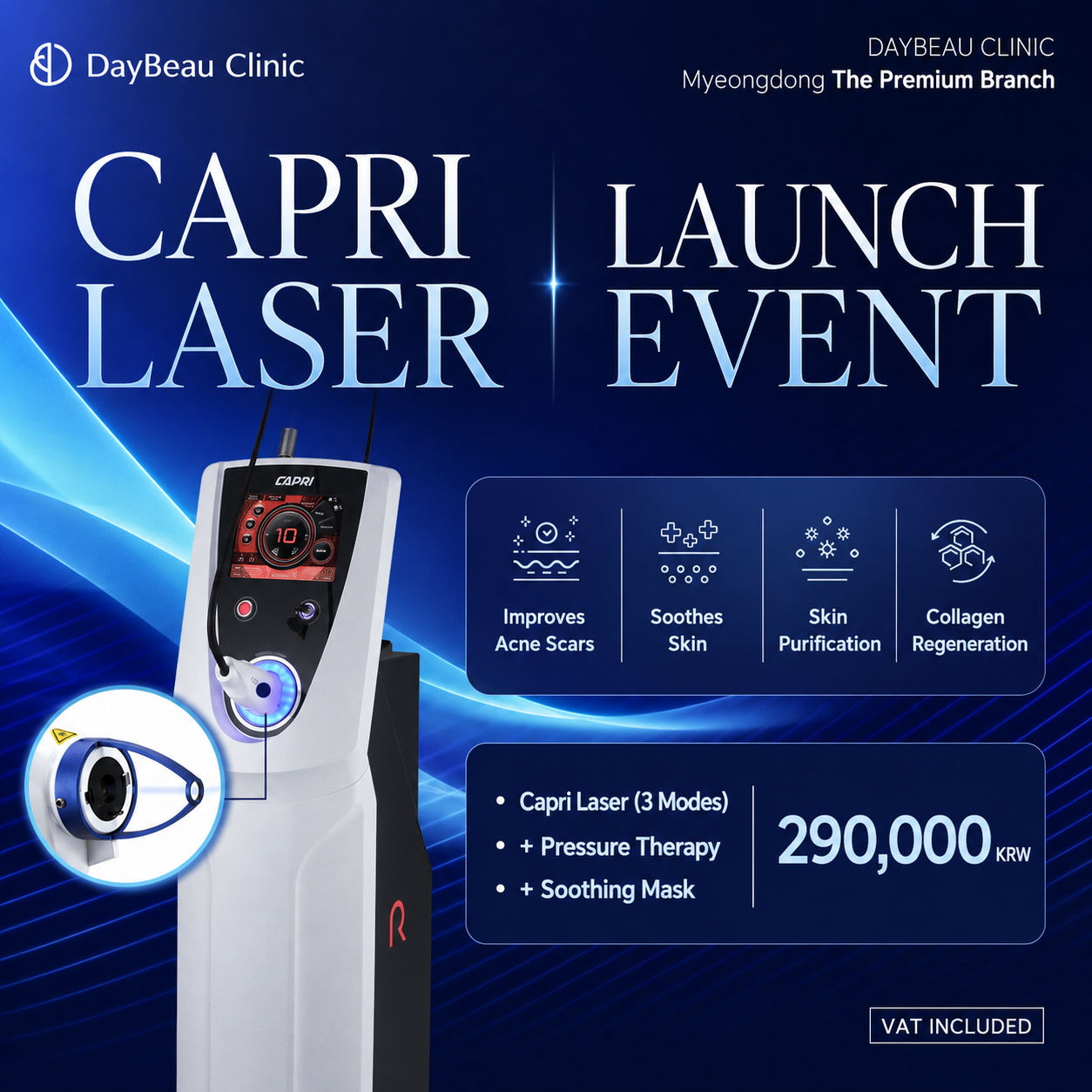
CO2 laser may be used to remove certain raised skin lesions, including some types of milia.
It works by precisely removing targeted tissue.
Potential benefits include:
- Accurate lesion removal
- Controlled treatment depth
- Improved skin smoothness
Chemical Peels
Mild chemical peels may help improve skin renewal and reduce the buildup of dead skin cells.
They may support:
- Smoother skin texture
- Better exfoliation
- Improved overall skin appearance
Chemical peels are usually selected based on skin sensitivity.
Customized Skincare Programs
Dermatologists may recommend skincare adjustments to reduce the chance of new milia forming.
Recommendations may include:
- Gentle cleansing
- Appropriate exfoliation
- Lightweight moisturizers
- Suitable eye care products
Why Professional Milia Removal Is Recommended
Avoiding Skin Damage
Attempting to remove milia at home by squeezing or picking may cause:
- Skin irritation
- Inflammation
- Scarring
- Infection risk
Professional treatment uses controlled techniques to protect the skin.
Better Results Around Sensitive Areas
Milia often appear around the eyes, where the skin is thin and delicate.
Dermatologist-guided removal helps reduce unnecessary trauma.
Milia Removal Process in Korean Clinics
Step 1: Consultation
The dermatologist evaluates:
- Type of bump
- Skin condition
- Treatment area
- Patient goals
Step 2: Treatment Selection
The doctor chooses the most suitable method based on:
- Number of milia
- Location
- Skin sensitivity
- Desired outcome
Step 3: Procedure Session
A typical treatment may include:
- Skin cleansing
- Skin examination
- Numbing cream if needed
- Milia extraction or selected procedure
- Soothing skincare application
- Aftercare instructions
Recovery After Milia Removal
Common Temporary Effects
After treatment, patients may experience:
- Mild redness
- Slight swelling
- Temporary sensitivity
- Small healing marks
These effects usually improve quickly.
Aftercare Tips
Patients should:
- Keep treated areas clean
- Avoid touching or picking the skin
- Apply sunscreen daily
- Use gentle skincare products
- Follow dermatologist instructions
Proper aftercare supports faster healing.
Cost of Milia Removal in Korea
Factors Affecting Treatment Cost
Costs depend on:
- Number of milia
- Treatment method
- Clinic location
- Technology used
- Additional skincare treatments
A consultation provides the most accurate cost estimate.
Why Choose Korean Clinics for Milia Removal?
Advanced Dermatology Technology
Korean dermatology clinics offer:
- Professional extraction procedures
- Advanced laser technology
- Digital skin analysis
- Customized skincare programs
Experienced Dermatologists
Korean dermatologists regularly treat:
- Milia
- Skin texture concerns
- Small facial lesions
- Sensitive skin areas
Their experience allows treatment plans to be customized for each patient.
Tips for International Patients Visiting Korea
Before Treatment
Patients should:
- Research dermatology clinics
- Check dermatologist experience
- Share skincare history
- Ask about recovery time
During Your Stay
Patients should:
- Follow aftercare instructions
- Protect treated skin from sunlight
- Avoid aggressive skincare
- Maintain gentle skincare routines
Choosing the Right Milia Removal Clinic in Korea
Important Factors to Consider
A reliable clinic should provide:
- Dermatologist-led consultation
- Accurate diagnosis
- Safe removal procedures
- Personalized treatment plans
- Clear aftercare guidance
Patients should avoid clinics that recommend aggressive removal without proper skin evaluation.
Conclusion
Milia removal in Korean clinics provides a safe and effective way to improve small white facial bumps while protecting delicate skin. Korean dermatologists use professional extraction, laser procedures, CO2 laser treatments, chemical peels, and customized skincare programs to achieve smoother skin texture.
For international patients visiting Seoul, a professional dermatology consultation is the best first step to determine the correct treatment approach. With advanced technology and experienced specialists, Korean clinics provide safe milia removal options designed around individual skin needs.
Frequently Asked Questions About Milia Removal in Korea
Can milia disappear naturally?
Some milia may disappear over time, but many remain and require professional removal.
Is it safe to remove milia at home?
Home extraction is not recommended because squeezing or picking can damage the skin and increase the risk of scarring or infection.
What is the best milia removal treatment in Korea?
Professional extraction is commonly used, while laser treatments and skincare procedures may be recommended depending on the case.
Is milia removal painful?
Most procedures involve minimal discomfort. Clinics may use numbing cream for sensitive areas.
Can milia come back after removal?
Yes. New milia may develop if keratin becomes trapped again.
Can foreigners get milia removal in Korea?
Yes. Many Korean dermatology clinics provide milia removal treatments for international patients.
How much does milia removal cost in Korea?
Costs vary depending on the number of milia, treatment method, clinic, and additional procedures.