
Medical Tourism Budget Guide In Seoul
Introduction
Planning a medical trip to South Korea involves more than comparing treatment prices. While many international patients travel to Korea for high-quality dermatology, cosmetic procedures, plastic surgery, dental care, and preventive health screenings, it is equally important to understand the total cost of the journey. Creating a realistic budget helps you avoid unexpected expenses and allows you to focus on your treatment and recovery with greater peace of mind.
Your overall medical tourism budget should include much more than the procedure itself. Airfare, accommodation, meals, transportation, prescription medications, follow-up appointments, and emergency expenses can all affect the final cost of your trip. This guide explains the main expenses you should consider when planning a medical tourism budget for South Korea.
Why Budget Planning Is Important
Careful financial planning can make your medical tourism experience smoother and less stressful. Understanding all potential expenses before traveling helps you avoid financial surprises and gives you enough flexibility if your treatment or recovery takes longer than expected.
A well-planned budget should cover:
- Medical treatment
- Consultation fees
- Airfare
- Hotel accommodation
- Meals
- Local transportation
- Prescription medications
- Follow-up appointments
- Travel insurance
- Emergency expenses
Leaving room for unexpected costs is always recommended.
Major Expenses to Consider
Your total travel budget consists of several different categories. Understanding each one allows you to estimate your overall expenses more accurately.
The primary budget categories include:
- Medical costs
- Flights
- Accommodation
- Food
- Transportation
- Communication
- Personal expenses
- Shopping
- Emergency funds
Every traveler's budget will differ depending on treatment type, travel style, and length of stay.
Estimated Medical Treatment Costs
Medical treatment prices vary depending on the clinic, physician experience, technology used, treatment complexity, and the number of sessions required.
Below are approximate price ranges for common dermatology procedures in South Korea.
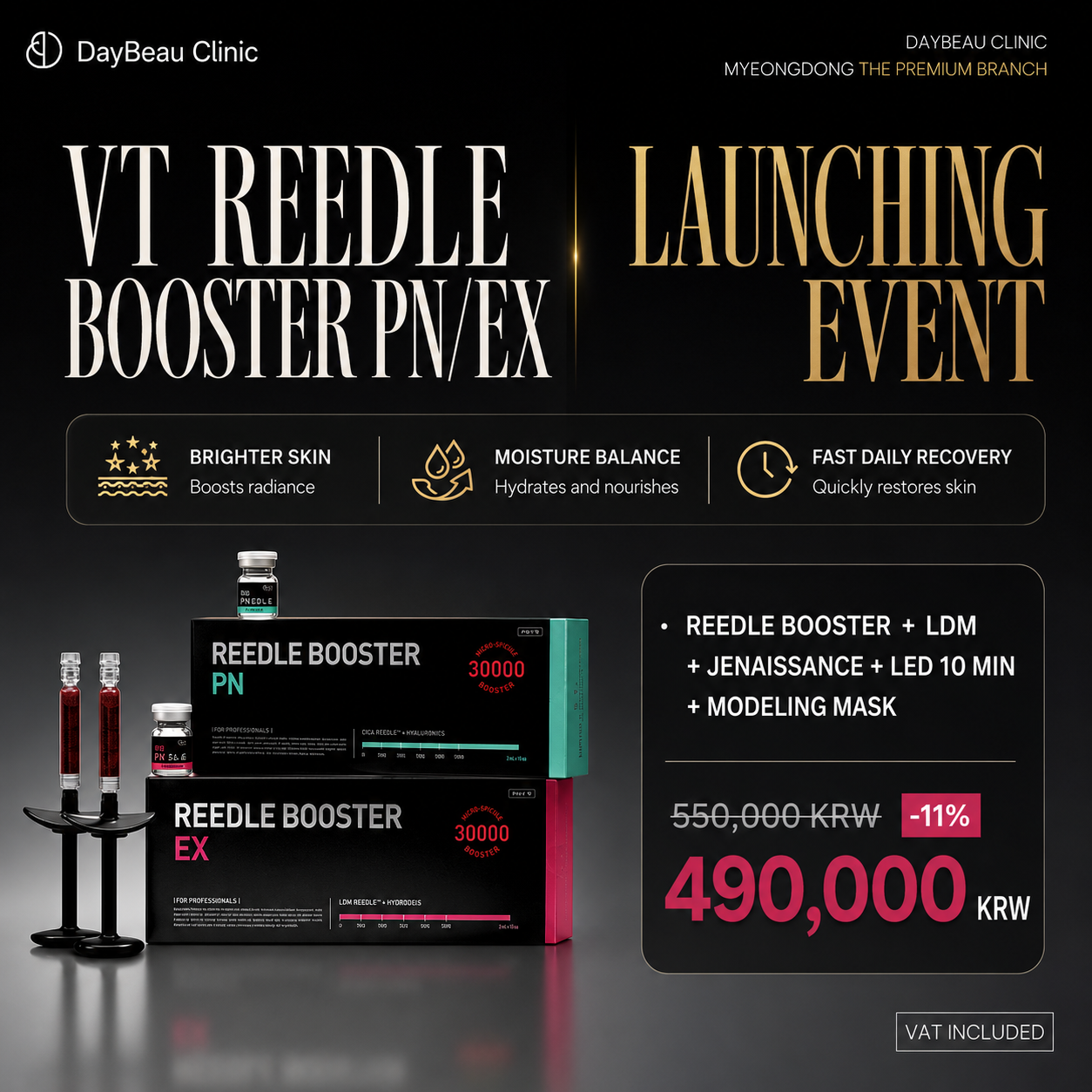
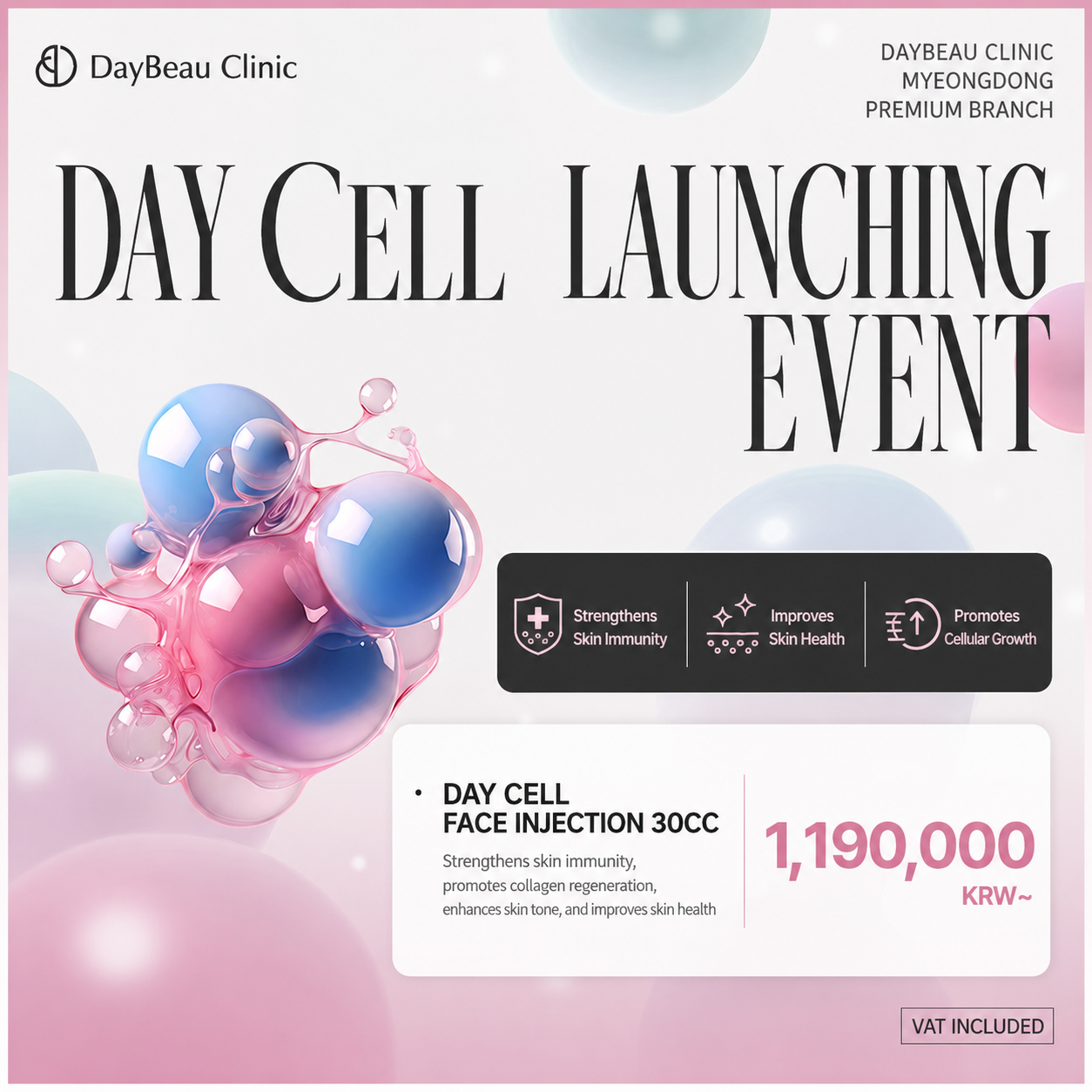
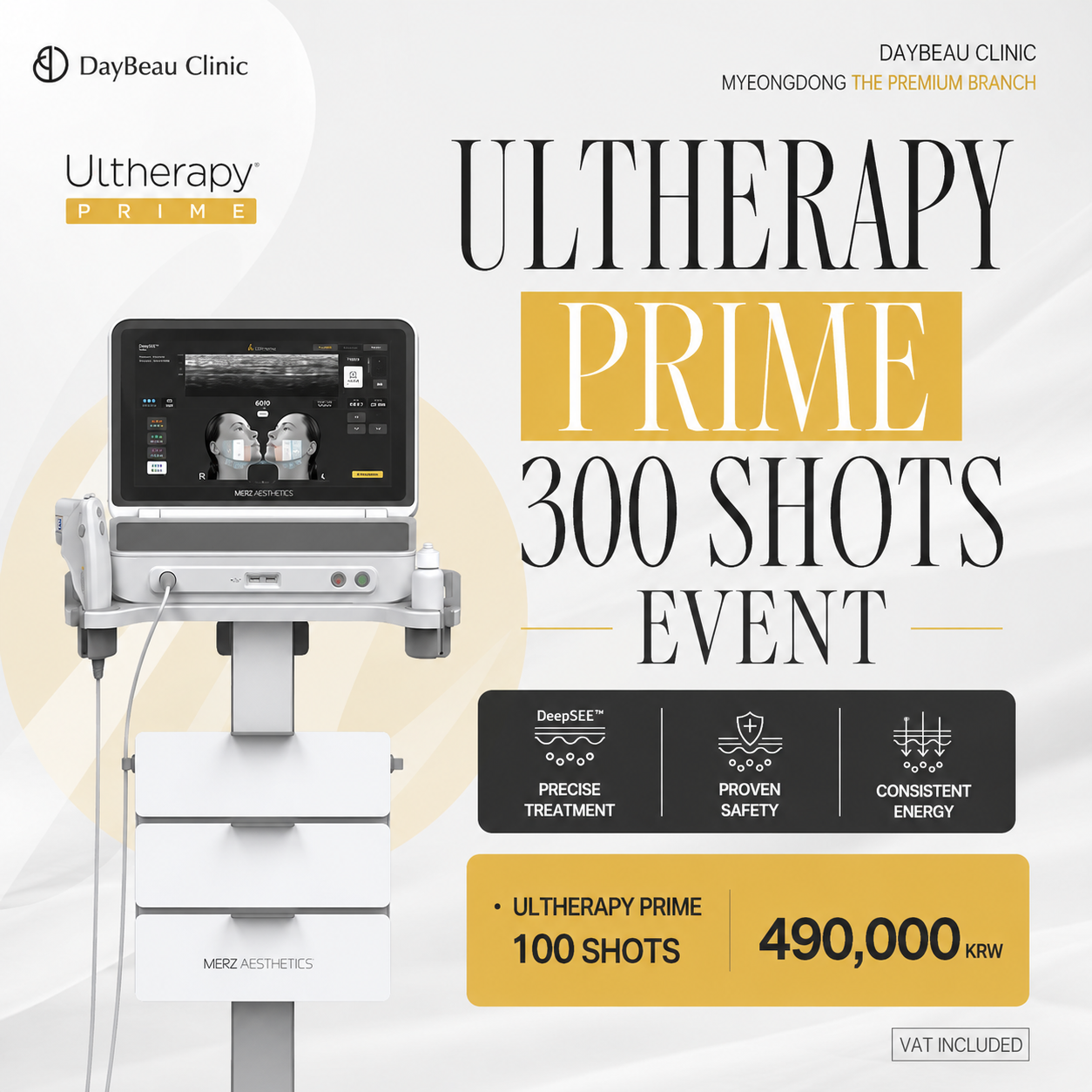
TreatmentApproximate Cost (KRW)Approximate Cost (USD)Dermatology Consultation₩30,000–₩100,000$25–$75Botox₩80,000–₩400,000$60–$300Dermal Fillers₩300,000–₩1,200,000$220–$900Pico Laser₩200,000–₩800,000$150–$600Fractional Laser₩300,000–₩1,000,000$220–$750Rejuran₩300,000–₩800,000$220–$600Skin Boosters₩300,000–₩700,000$220–$525Ultherapy₩1,500,000–₩4,500,000$1,100–$3,400Thermage₩2,000,000–₩5,500,000$1,500–$4,100
These figures are estimates only. Actual prices vary depending on the clinic, physician, treatment area, and personalized treatment plan.
Airfare Budget
Airfare is often one of the largest travel expenses after medical treatment.
Flight prices depend on:
- Departure country
- Travel season
- Airline
- Booking date
- Cabin class
Booking flights several months in advance may help reduce travel costs, particularly during Korea's busy spring and autumn travel seasons.
Accommodation Costs
Accommodation prices vary depending on the neighborhood, hotel category, and travel season.
Typical hotel costs include:
Accommodation TypeEstimated Cost Per NightBudget Hotel₩60,000–₩100,000Mid-range Hotel₩100,000–₩200,000Premium Hotel₩200,000–₩400,000+Serviced Apartment₩120,000–₩300,000
Many medical tourists choose hotels near their clinic to reduce transportation time during recovery.
Food Budget
Food costs in Seoul can suit a wide range of budgets.
Average daily expenses include:
Meal TypeEstimated CostConvenience store meal₩5,000–₩10,000Casual restaurant₩10,000–₩20,000Mid-range restaurant₩20,000–₩40,000Premium dining₩50,000+
Patients recovering from treatment may also wish to budget for food delivery services during the first few recovery days.
Local Transportation Costs
Seoul's transportation system is efficient, reliable, and affordable.
Common transportation options include:
TransportationEstimated CostSubway₩1,500–₩2,000Public Bus₩1,500–₩2,000Taxi (short trip)₩6,000–₩15,000Airport Express Train (AREX)Approximately ₩4,000–₩13,000Airport Limousine BusApproximately ₩17,000–₩18,000
Purchasing a T-money card makes paying for buses and the subway much easier.
Mobile Internet and Communication
Reliable internet access is essential for communicating with your clinic, navigating Seoul, and accessing translation apps.
Typical communication expenses include:
ServiceEstimated CosteSIM₩15,000–₩50,000Local SIM Card₩20,000–₩60,000Portable Wi-Fi Rental₩5,000–₩10,000 per day
Many travelers find that an eSIM is the most convenient option.
Prescription Medications
Medication costs vary depending on your treatment and recovery needs.
Your budget may include:
- Pain medication
- Antibiotics
- Topical creams
- Prescription skincare
- Sunscreen recommended after treatment
Ask your clinic whether medications are included in your treatment package.
Follow-Up Appointments
Some dermatology treatments require one or more follow-up visits before returning home.
Possible additional costs include:
- Consultation fees
- Additional laser sessions
- Prescription refills
- Dressing changes
- Skin assessments
Discuss your follow-up schedule during your initial consultation.
Emergency Budget
Unexpected expenses can occur even with careful planning.
It is wise to reserve funds for:
- Extended hotel stays
- Flight changes
- Additional medications
- Extra consultations
- Transportation changes
- Unexpected medical care
Many travelers reserve approximately 10% to 20% of their total travel budget for emergencies.
Sample Budget for a One-Week Dermatology Trip
The following example illustrates a possible budget for one person visiting Seoul for one week.
ExpenseEstimated Cost (KRW)Airfare₩800,000–₩2,000,000Hotel₩560,000–₩1,400,000Meals₩140,000–₩280,000Transportation₩30,000–₩80,000eSIM₩20,000–₩50,000Dermatology Treatment₩500,000–₩2,500,000+Medications₩20,000–₩100,000Emergency Budget₩200,000–₩500,000
Actual expenses will vary depending on your treatment plan, travel style, and accommodation choices.
Ways to Save Money
Careful planning can help reduce overall travel expenses without compromising your medical care.
Money-saving tips include:
- Book flights early.
- Travel during off-peak seasons.
- Stay near your clinic.
- Use public transportation.
- Purchase a T-money card.
- Compare hotel prices.
- Choose an eSIM instead of international roaming.
- Confirm all treatment costs before traveling.
Avoid selecting a clinic based solely on price, as physician qualifications and patient safety should remain your top priorities.
Budgeting Mistakes to Avoid
Many first-time medical tourists underestimate the true cost of their trip.
Common mistakes include:
- Budgeting only for treatment fees
- Forgetting accommodation costs
- Ignoring follow-up appointments
- Not planning for medications
- Booking flights too late
- Underestimating recovery time
- Forgetting emergency funds
Preparing a detailed budget before departure helps minimize these risks.
Frequently Asked Questions
How much should I budget for a dermatology trip to Korea?
Your total budget depends on your treatment, travel style, and length of stay. Many patients spend anywhere from a few thousand to several thousand US dollars when medical, travel, and accommodation expenses are combined.
Should I bring cash?
Most hospitals, hotels, and larger businesses accept international credit cards. However, carrying a small amount of Korean Won can be helpful for smaller purchases and transportation.
Are treatment prices the same at every clinic?
No. Costs vary depending on the clinic, physician experience, treatment technology, and complexity of your personalized treatment plan.
Does travel insurance cover medical tourism?
Some travel insurance policies cover travel-related emergencies but may exclude elective medical procedures. Always review your policy carefully before traveling.
Should I budget for extra recovery days?
Yes. Allowing additional funds for accommodation and meals provides flexibility if your recovery takes longer than expected.
Conclusion
A realistic budget is one of the most important parts of planning a successful medical tourism trip to South Korea. By accounting for treatment costs, accommodation, transportation, meals, medications, follow-up care, and emergency expenses, you can better prepare for your journey and reduce unnecessary financial stress.
Before making any travel arrangements, request a detailed cost estimate from your chosen clinic and discuss all expected expenses during your consultation. Careful financial planning, combined with choosing a qualified healthcare provider, will help you focus on your treatment and recovery while enjoying a more organized medical tourism experience.
Recommended Articles
- Complete Guide to Medical Tourism in Korea
- First-Time Guide to Medical Tourism in Seoul
- Medical Tourism Checklist Before You Fly
- Planning Your Dermatology Trip to Korea
- How Many Days Do You Need in Seoul?
- How Long Should You Stay in Korea for Skin Treatments?
- Best Time of Year to Visit Korea for Dermatology
Medical Disclaimer
This content is for educational purposes only and should not be considered medical advice. Treatment recommendations vary depending on your individual skin condition and medical history. Always consult a qualified dermatologist before making any medical or cosmetic treatment decisions.