
Side Effects You Should Know Before Treatment in Korea
Introduction
South Korea has become a leading destination for international patients seeking cosmetic dermatology treatments. With advanced technologies, experienced dermatologists, and innovative procedures, Korean skin clinics offer a wide range of treatments including laser procedures, injectables, skin boosters, acne scar treatments, and non-surgical lifting options.
Before choosing any cosmetic treatment in Korea, it is important to understand not only the possible benefits but also the potential side effects. While many procedures are considered safe when performed by qualified professionals, every treatment can involve temporary reactions or possible risks depending on your skin condition, treatment type, and individual response.
Knowing what to expect before your appointment helps you make informed decisions, prepare properly, and recognize when professional follow-up may be needed. A trustworthy Korean dermatology clinic will always explain possible side effects and provide appropriate aftercare guidance.
This guide explains common side effects associated with cosmetic treatments in Korea and what international patients should know before undergoing procedures.
Why Understanding Side Effects Matters
Every Cosmetic Treatment Has Possible Reactions
Even minimally invasive procedures can cause temporary changes as the skin responds to treatment.
Possible reactions may include:
- Redness
- Swelling
- Sensitivity
- Bruising
- Dryness
- Temporary discomfort
These effects are often part of the normal healing process.
Side Effects Depend on Individual Factors
Not everyone experiences the same reaction.
Factors that influence side effects include:
- Skin type
- Age
- Treatment area
- Medical history
- Previous procedures
- Treatment intensity
A dermatologist evaluates these factors before recommending a procedure.
Common Temporary Side Effects After Skin Treatments in Korea
Redness and Skin Sensitivity
Why It Happens
Many treatments stimulate the skin, which can temporarily increase redness or sensitivity.
This may occur after:
- Laser treatments
- RF Microneedling
- Skin boosters
- Chemical treatments
What Patients Can Do
Recovery may be supported by:
- Gentle skincare
- Avoiding harsh products
- Using sunscreen
- Following clinic instructions
Swelling
Why Swelling Occurs
Swelling is a common response after treatments that involve injections or energy-based procedures.
It may occur after:
- Dermal fillers
- Botox injections
- Skin boosters
- Lifting treatments
How Long Does It Last?
The duration varies depending on:
- Treatment type
- Injection area
- Individual healing speed
Your dermatologist can explain what is normal for your specific procedure.
Bruising
Common After Injectable Treatments
Bruising may happen after:
- Botox
- Fillers
- Rejuran
- Other injectable procedures
This occurs because small blood vessels may be affected during injections.
Reducing Bruising Risk
Patients can help by:
- Informing doctors about medications
- Avoiding unnecessary pressure on treated areas
- Following aftercare recommendations
Dryness and Peeling
Common After Skin Renewal Treatments
Some procedures encourage skin turnover and renewal.
Temporary dryness or peeling may occur after:
- Laser treatments
- Chemical peels
- Resurfacing procedures
Proper Moisturization Helps
Patients should follow recommended skincare routines during recovery.
Mild Pain or Discomfort
Treatment Sensations Vary
Some procedures may cause:
- Tingling
- Warmth
- Pressure
- Mild discomfort
Clinics may use:
- Numbing cream
- Cooling systems
- Comfort measures
to improve the experience.
Side Effects Associated With Specific Korean Skin Treatments
Laser Treatment Side Effects
Possible Reactions
Laser procedures such as Pico Laser and fractional laser may cause:
- Redness
- Temporary sensitivity
- Mild swelling
- Temporary darkening of pigmentation
- Dryness
Importance of Proper Settings
Laser safety depends on:
- Device selection
- Energy settings
- Skin assessment
- Doctor expertise
Proper customization helps reduce unnecessary reactions.
Botox Side Effects
Possible Temporary Effects
Botox may cause:
- Mild swelling
- Bruising
- Tenderness
- Temporary headache
Importance of Skilled Injection Technique
Because Botox affects muscle activity, proper placement is important for natural-looking results.
Dermal Filler Side Effects
Common Temporary Effects
Fillers may cause:
- Swelling
- Bruising
- Tenderness
- Mild unevenness during early healing
Why Provider Experience Matters
Injection technique and facial anatomy knowledge are important for reducing risks and achieving balanced results.
Rejuran and Skin Booster Side Effects
Common Reactions
Skin boosters may cause:
- Small bumps
- Redness
- Mild swelling
- Injection marks
These reactions are usually temporary.
Recovery Expectations
Patients should avoid irritating skincare products and follow post-treatment instructions.
RF Microneedling Side Effects
Possible Effects
RF Microneedling may cause:
- Redness
- Swelling
- Sensitivity
- Small marks
Healing Time Depends on Treatment Depth
Stronger settings may create more noticeable recovery effects.
Non-Surgical Lifting Treatment Side Effects
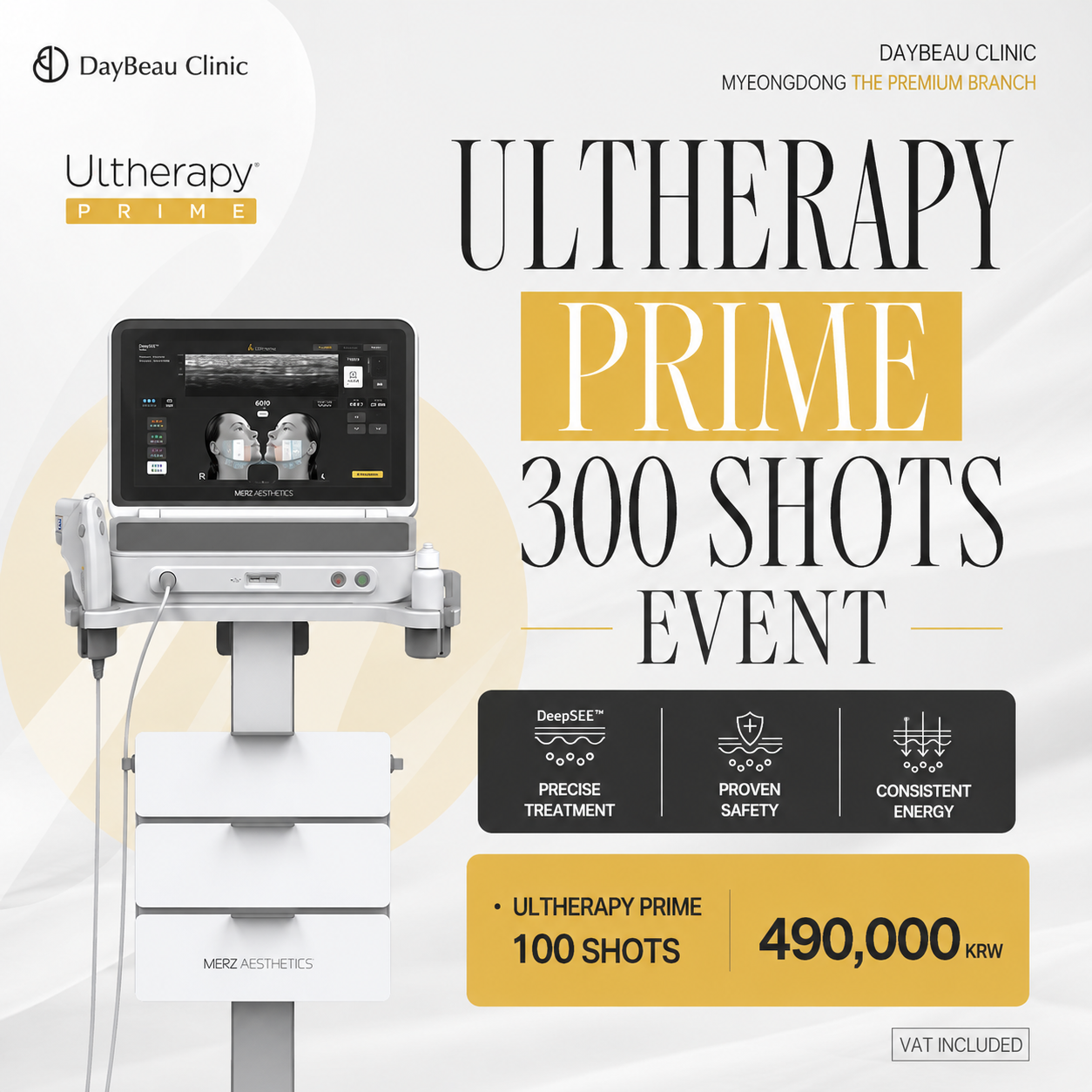
Thermage FLX and Ultherapy
Possible temporary reactions include:
- Redness
- Mild swelling
- Tingling sensations
- Tenderness
These treatments usually have limited downtime, but individual responses vary.
Rare but Important Risks to Understand
Infection Risk
Why Aftercare Matters
Although uncommon, infection can occur after certain procedures.
Risk may increase if patients:
- Touch treated areas unnecessarily
- Use unsuitable skincare products
- Ignore aftercare instructions
Pigmentation Changes
Especially Important After Laser Treatments
Some patients may experience:
- Temporary pigmentation changes
- Darkening or lightening of treated areas
This is why proper device selection and sun protection are important.
Allergic Reactions
Discuss Your Medical History
Patients should inform their dermatologist about:
- Previous allergies
- Medication reactions
- Injectable sensitivities
This helps doctors plan safer treatments.
How Korean Dermatologists Help Reduce Side Effects
Professional Skin Assessment
Treatment Should Be Customized
Before treatment, dermatologists evaluate:
- Skin condition
- Treatment goals
- Medical history
- Risk factors
This helps create a safer treatment plan.
Choosing the Right Device and Technique
Technology Must Match Your Skin
Advanced equipment does not guarantee better results unless it is used correctly.
Dermatologists consider:
- Device type
- Settings
- Treatment intensity
- Skin response
Providing Proper Aftercare Instructions
Recovery Guidance Is Essential
Clinics may recommend:
- Sunscreen use
- Gentle skincare
- Avoiding heat exposure
- Avoiding certain activities
Following these instructions supports healing.
Questions to Ask Before Cosmetic Treatment in Korea
What Side Effects Should I Expect?
Ask your dermatologist about:
- Common reactions
- Recovery timeline
- Warning signs
How Long Will Recovery Take?
Understanding downtime helps you plan:
- Travel schedule
- Work commitments
- Social activities
What Should I Avoid After Treatment?
Ask about:
- Exercise
- Sauna
- Makeup
- Sun exposure
- Skincare products
Is This Treatment Suitable for My Skin?
A proper consultation should determine whether the procedure matches your skin condition.
Common Mistakes Patients Make About Side Effects
Assuming Every Reaction Is Dangerous
Temporary Effects Can Be Normal
Redness, swelling, and sensitivity are often expected after many procedures.
However, unusual or severe symptoms should always be discussed with a medical professional.
Ignoring Aftercare Instructions
Recovery Affects Results
Even a well-performed treatment may not achieve optimal results if aftercare recommendations are ignored.
Choosing Clinics Based Only on Price
Expertise Matters for Safety
Lower prices should not be the only deciding factor.
Consider:
- Doctor experience
- Treatment quality
- Clinic reputation
- Patient communication
Frequently Asked Questions
Are cosmetic treatments in Korea safe?
Many cosmetic treatments are considered safe when performed by qualified professionals using appropriate techniques and equipment.
Are side effects common after Korean skin treatments?
Temporary reactions such as redness, swelling, and sensitivity can occur depending on the procedure.
How long do side effects usually last?
Recovery time depends on the treatment type and individual skin response.
Should I avoid treatment because of possible side effects?
Not necessarily. Understanding risks and choosing a qualified dermatologist helps you make safer decisions.
What should I do if I experience unusual side effects?
Contact your clinic or dermatologist for professional advice and follow-up care.
Conclusion
Understanding possible side effects before treatment in Korea is an important part of preparing for a safe and successful cosmetic dermatology experience. While Korean skin clinics offer advanced procedures and excellent technology, every treatment requires proper evaluation, realistic expectations, and appropriate aftercare.
International patients should ask questions, understand potential reactions, and choose clinics that prioritize transparency and patient safety.
By working with an experienced Korean dermatologist and following recommended care instructions, you can enjoy the benefits of cosmetic treatments while reducing unnecessary risks and improving your overall treatment experience.