
Korean Skin Clinic Consultations Explained for International Patients
Introduction
One of the biggest concerns for international patients visiting South Korea for cosmetic dermatology is understanding what happens during their first clinic consultation. Whether you are planning Pico Laser, Rejuran, Botox, acne scar treatments, skin boosters, or anti-aging procedures, the consultation is one of the most important parts of your skincare journey. It helps both you and your dermatologist develop a treatment plan that matches your skin condition, cosmetic goals, budget, and available travel time.
Korean dermatology clinics are internationally recognized for their systematic consultation process. Rather than recommending the same treatment for everyone, reputable clinics usually begin with a detailed skin assessment before discussing available options. Many clinics that regularly serve overseas patients also provide English-speaking coordinators or interpreter support, making consultations more comfortable for international visitors. While consultation procedures vary between clinics, understanding the general process can help reduce anxiety and improve your overall medical tourism experience.
This guide explains what international patients can expect during a Korean skin clinic consultation, how to prepare, what questions to ask, common diagnostic methods, treatment planning, and practical tips for making the most of your appointment.
Why the Consultation Matters
Personalized Treatment Planning
Every patient has different:
- Skin type
- Skin concerns
- Medical history
- Cosmetic goals
- Budget
- Recovery expectations
The consultation helps determine which treatments are most appropriate for your individual needs.
Improving Treatment Safety
A consultation also helps identify factors that may influence treatment choices, including:
- Allergies
- Previous cosmetic procedures
- Current medications
- Skin sensitivity
- Pregnancy or breastfeeding
- Active skin infections
Providing accurate medical information allows the dermatologist to recommend safer treatment options.
Setting Realistic Expectations
The consultation gives patients an opportunity to understand:
- Expected results
- Number of treatment sessions
- Downtime
- Possible temporary side effects
- Maintenance requirements
Clear expectations help improve satisfaction with treatment outcomes.
What Happens During Your First Consultation?
Step 1: Registration
Most clinics begin with patient registration.
International visitors may be asked to provide:
- Passport or identification
- Contact information
- Hotel details (if needed)
- Medical history questionnaire
Some clinics allow online registration before arrival.
Step 2: Medical History Review
The clinic may ask about:
- Current skin concerns
- Previous dermatology treatments
- Cosmetic procedures
- Allergies
- Chronic medical conditions
- Current medications
Being honest and thorough is important for treatment safety.
Step 3: Skin Assessment
The dermatologist usually performs a visual examination of your skin.
They may evaluate:
- Pigmentation
- Wrinkles
- Acne
- Acne scars
- Redness
- Pores
- Skin texture
- Hydration
- Elasticity
Some clinics also use skin analysis devices to provide additional information.
Advanced Skin Analysis Technology
Many Korean dermatology clinics use imaging systems to assist consultations.
These systems may evaluate:
- Pigmented lesions
- UV damage
- Oil production
- Moisture levels
- Skin age
- Wrinkle depth
- Pore condition
These tools support the consultation but do not replace the dermatologist’s clinical judgment.
Discussing Your Goals
Cosmetic Priorities
Patients should clearly explain what they hope to improve.
Examples include:
- Brighter skin
- Fewer wrinkles
- Acne scar improvement
- Smaller pores
- Better skin texture
- Lifted facial contours
The more specific your goals, the easier it is for the dermatologist to recommend suitable treatments.
Travel Schedule
International visitors should also discuss:
- Length of stay in Korea
- Planned sightseeing
- Flight dates
- Important events
Some treatments require more recovery time than others, so travel plans can influence recommendations.
Treatment Recommendations
After evaluating your skin, the dermatologist may discuss one or more procedures.
Examples include:
Pico Laser
Commonly recommended for:
- Pigmentation
- Sun spots
- Freckles
- Uneven skin tone
Rejuran
Often suggested for:
- Skin quality improvement
- Fine lines
- Hydration
- Skin elasticity
Skin Boosters
Suitable for:
- Dry skin
- Dull complexion
- Skin rejuvenation
Botox
May be recommended for:
- Forehead lines
- Crow’s feet
- Jaw slimming
Fillers
Common treatment areas include:
- Lips
- Chin
- Facial volume correction
Anti-Aging Treatments
Depending on your concerns, options may include:
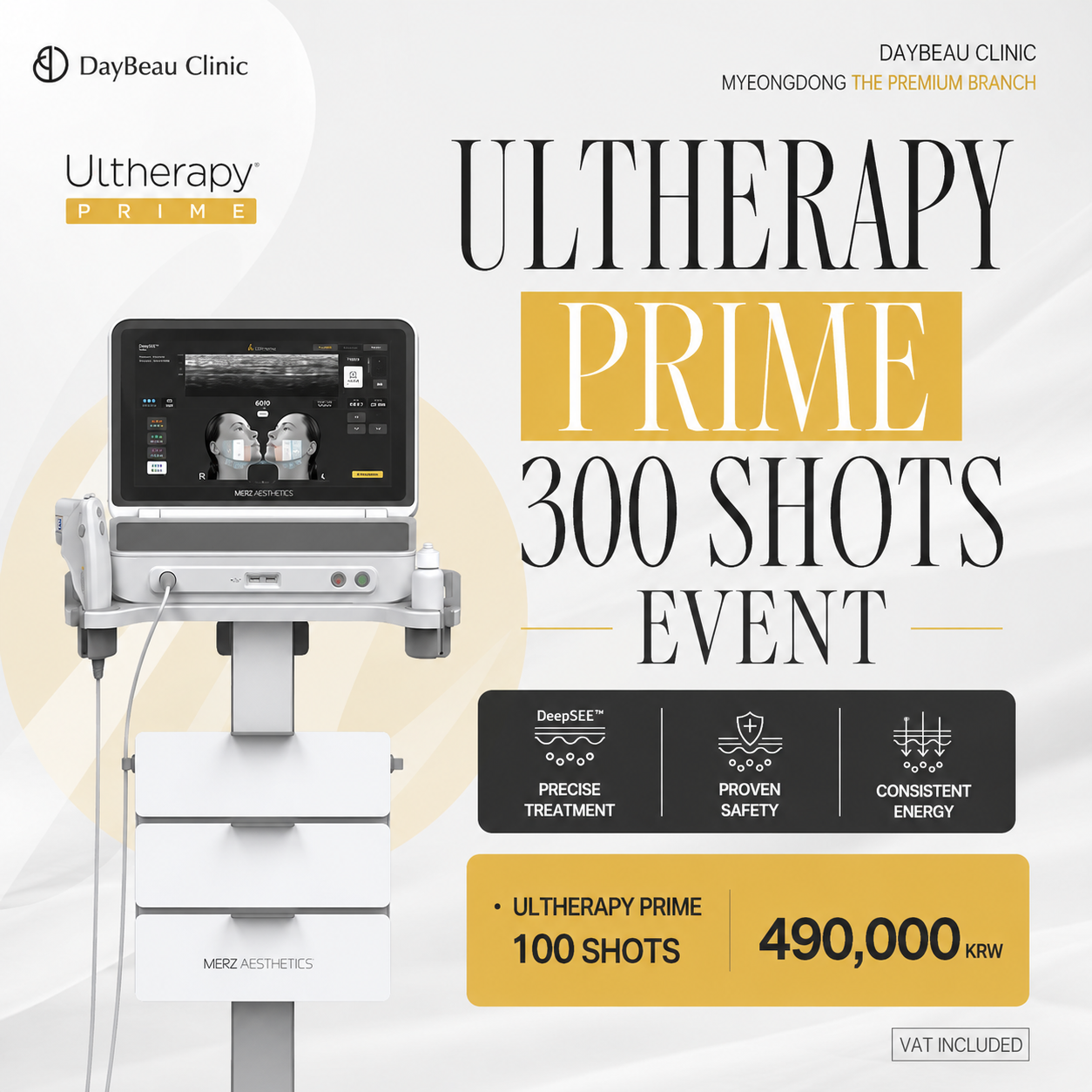
- Ultherapy
- Thermage FLX
- Radiofrequency treatments
Combination Treatment Plans
Many Korean dermatologists recommend combining procedures.
Examples may include:
- Pico Laser + Rejuran
- Laser toning + skin boosters
- RF Microneedling + subcision
- Botox + Ultherapy
Combination treatments are often recommended to address multiple skin concerns more comprehensively.
Questions International Patients Should Ask
Useful questions include:
- How many sessions are recommended?
- What results should I expect?
- What downtime is involved?
- Are there temporary side effects?
- How should I care for my skin afterward?
- When can I wear makeup?
- When can I fly home?
- Is maintenance treatment recommended?
Asking questions helps you make informed decisions.
Understanding Costs
During the consultation, clinics usually explain:
- Treatment pricing
- Package options
- Session recommendations
- Estimated total costs
Patients should understand all fees before proceeding with treatment.
Choosing treatment based solely on price is generally not recommended.
English Communication
Many clinics serving international patients provide:
- English-speaking coordinators
- Translators
- Written aftercare instructions
- Email or messaging support
If language support is important, confirm availability before booking.
Preparing Before Your Appointment
Bring Medical Information
Helpful items include:
- Previous treatment records
- Medication list
- Allergy information
- Photos of previous skin conditions (if relevant)
Avoid Certain Procedures Immediately Before Consultation
If possible, avoid:
- Aggressive exfoliation
- Strong chemical peels
- Heavy sun exposure
This allows the dermatologist to evaluate your skin more accurately.
Arrive With Clean Skin
Many clinics recommend arriving without:
- Heavy makeup
- Thick sunscreen
- Cosmetic products
This helps with skin assessment.
After the Consultation
Depending on the treatment plan, patients may:
- Receive treatment immediately
- Schedule another appointment
- Begin skincare preparation
- Receive aftercare instructions
Some procedures can be performed on the same day if appropriate.
Common Misunderstandings
Expecting Immediate Results
Many cosmetic treatments require:
- Multiple sessions
- Gradual improvement
- Ongoing skincare
Patients should understand that natural-looking results often develop over time.
Assuming Every Patient Needs the Same Treatment
Korean dermatologists usually customize treatment plans based on individual skin conditions.
Different patients with similar concerns may receive different recommendations.
Frequently Asked Questions
How long does a consultation usually take?
Most consultations take approximately 20–40 minutes, depending on the complexity of your concerns.
Can I receive treatment on the same day?
Many clinics offer same-day treatment if appropriate, although some procedures may require additional planning.
Are consultations available in English?
Many clinics that regularly treat international patients provide English consultation support or interpreter services.
Should I bring previous medical records?
Yes. Information about previous cosmetic treatments and current medications can help the dermatologist recommend safer options.
Is skin analysis technology always used?
Not necessarily. Some clinics use advanced imaging systems, while others rely primarily on the dermatologist’s clinical examination.
Conclusion
A professional consultation is the foundation of successful cosmetic dermatology treatment in South Korea. It allows your dermatologist to understand your skin condition, discuss your goals, evaluate safety considerations, and recommend a personalized treatment plan that fits your travel schedule and expectations.
For international patients, preparing in advance, asking thoughtful questions, and choosing a reputable clinic with clear communication can make the consultation process straightforward and reassuring. Understanding what to expect before your appointment helps ensure a smoother medical tourism experience and supports better long-term skincare results during your visit to Korea.