
What Happens During a Skin Clinic Consultation in Korea?
Introduction
South Korea has earned a global reputation as one of the leading destinations for dermatology and skincare treatments. Every year, thousands of international visitors travel to Korea for acne treatment, laser procedures, pigmentation correction, anti-aging therapies, skin rejuvenation, scar treatment, and other advanced dermatological services. Korean skin clinics are known for using modern medical technology, experienced dermatologists, and personalized treatment plans that focus on achieving safe and effective results.
If you are planning your first visit to a skin clinic in Korea, you may wonder what happens during a consultation. Understanding the consultation process before your appointment helps you prepare, communicate your concerns clearly, and make informed decisions about your treatment. A consultation is much more than a simple conversation. It involves a detailed skin assessment, medical history review, discussion of treatment goals, explanation of recommended procedures, and personalized aftercare guidance.
Why Is a Skin Clinic Consultation Important?
A consultation allows the dermatologist to understand your skin condition before recommending any treatment. Every patient has different skin concerns, medical histories, and treatment expectations, making personalized evaluation essential.
A professional consultation also gives patients the opportunity to ask questions, understand realistic outcomes, and learn about the benefits and limitations of different treatment options.
Personalized Skin Assessment
Your dermatologist examines your skin carefully to identify concerns such as acne, pigmentation, wrinkles, enlarged pores, redness, acne scars, or skin sensitivity.
Safe Treatment Planning
Reviewing your medical history helps the dermatologist avoid treatments that may not be suitable because of allergies, medications, pregnancy, or underlying medical conditions.
Better Treatment Results
A customized treatment plan increases the likelihood of achieving results that match your skin type and personal goals.
Preparing Before Your Appointment
Preparing in advance helps your consultation proceed smoothly and ensures your dermatologist has all the necessary information.
Bring Your Medical History
Tell your dermatologist about previous skin treatments, allergies, medications, chronic illnesses, and skincare products you currently use.
Arrive With Clean Skin
Avoid wearing heavy makeup before your appointment. Clean skin allows the dermatologist to evaluate your skin condition more accurately.
Prepare Your Questions
Write down any concerns about acne, scars, pigmentation, wrinkles, laser treatments, or recovery so you remember to discuss them during your consultation.
Bring Previous Treatment Records
If you have received dermatology treatments in another country, bringing medical records or photographs can help the doctor understand your treatment history.
Patient Registration Process
Most consultations begin with registration at the clinic reception.
Completing Registration Forms
Patients usually provide passport information, contact details, emergency contacts, and basic medical history.
Health Questionnaire
You may be asked about allergies, medications, previous surgeries, pregnancy status, and current medical conditions.
Language Assistance
Many Korean skin clinics provide English-speaking coordinators or interpreter services for international patients.
Skin Examination and Analysis
The dermatologist performs a detailed evaluation before recommending any procedure.
Visual Skin Examination
The doctor carefully examines your skin texture, acne, scars, pigmentation, wrinkles, pores, redness, and overall skin health.
Digital Skin Analysis
Many clinics use advanced imaging systems that evaluate moisture levels, pore size, UV damage, pigmentation, oil production, and skin elasticity.
Identifying Your Skin Type
Determining whether your skin is oily, dry, combination, normal, or sensitive helps the dermatologist recommend appropriate treatments.
Discussing Your Skin Concerns
The consultation gives you an opportunity to explain your goals and expectations.
Acne and Acne Scars
Patients often discuss active acne, recurring breakouts, acne scars, enlarged pores, and long-term treatment plans.
Pigmentation Problems
Freckles, melasma, sunspots, uneven skin tone, and post-inflammatory pigmentation are common consultation topics.
Anti-Aging Concerns
Patients may seek advice regarding wrinkles, fine lines, skin tightening, collagen stimulation, and skin rejuvenation.
General Skin Health
Many visitors simply want healthier skin and professional recommendations for long-term skincare maintenance.
Treatment Recommendations
After evaluating your skin, the dermatologist recommends suitable treatment options.
Laser Treatments
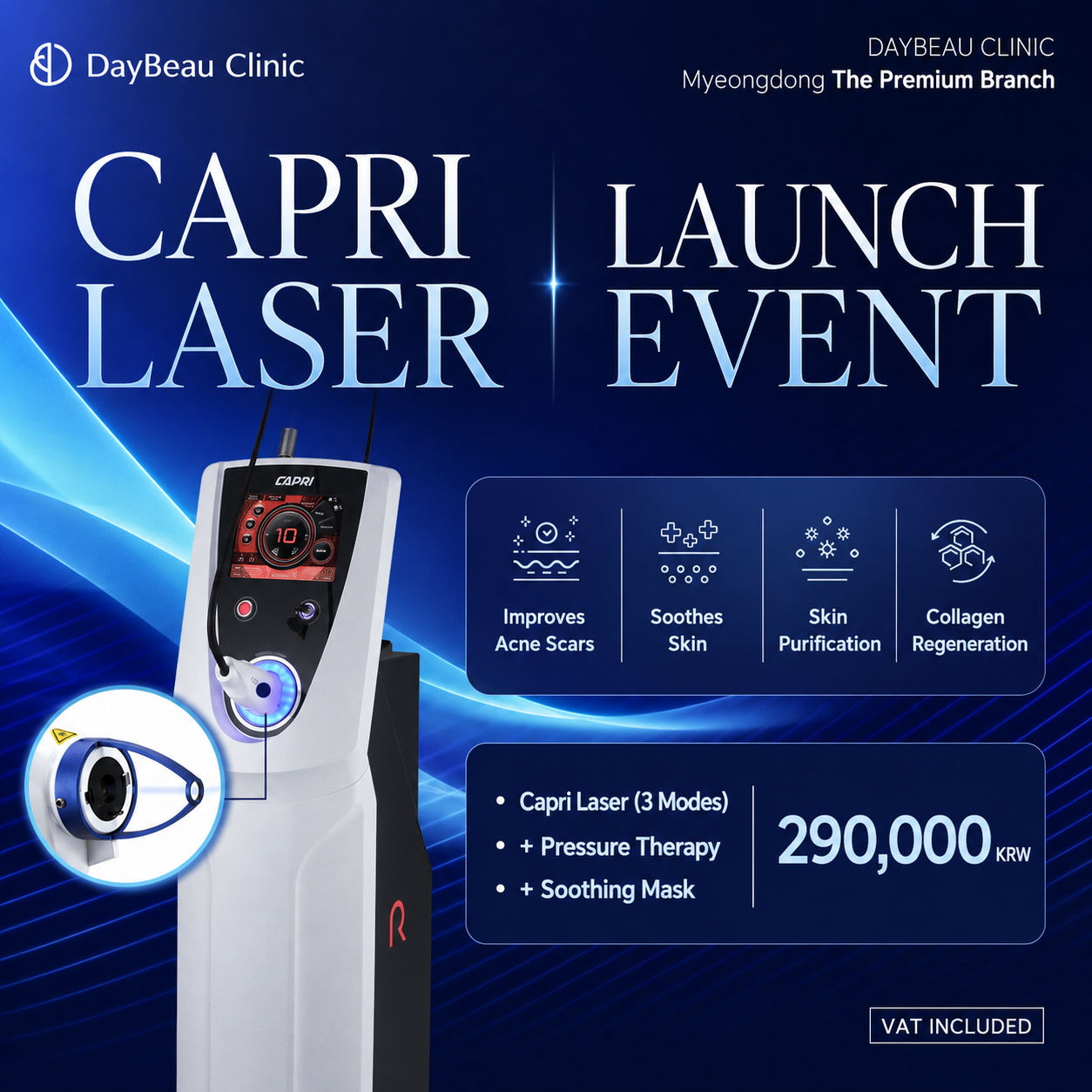
Laser procedures may be recommended for pigmentation, acne scars, redness, tattoo removal, or skin resurfacing.
Chemical Peels
Chemical peels improve skin texture, acne, pigmentation, and overall skin appearance.
Microneedling
Microneedling stimulates collagen production and may improve acne scars, fine lines, and skin texture.
Injectable Procedures
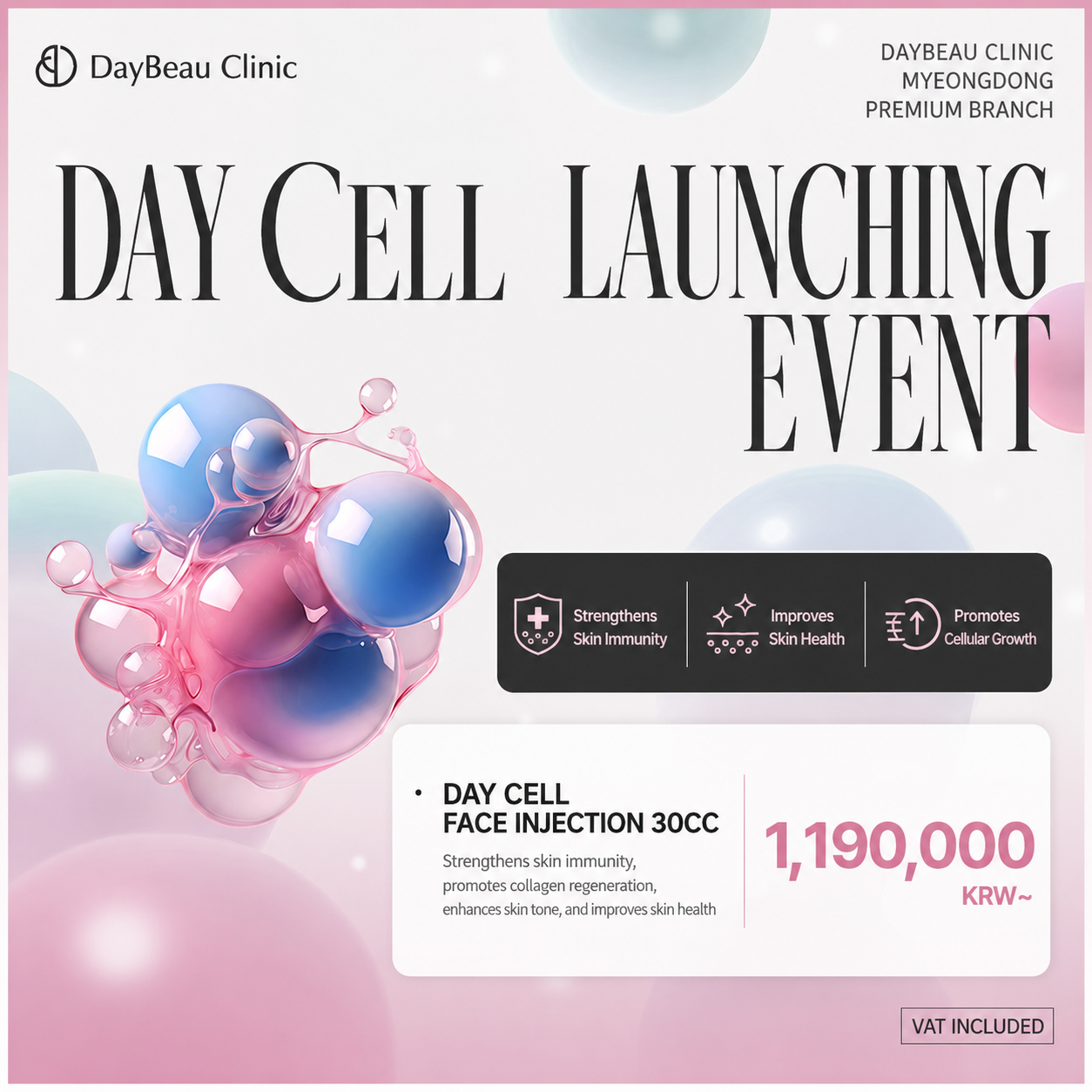
Depending on your goals, injectable treatments may be discussed to improve skin quality or reduce signs of aging.
Understanding Risks and Recovery
Before beginning treatment, your dermatologist explains important medical information.
Expected Results
You will receive realistic information about the expected improvements and the number of treatment sessions required.
Possible Side Effects
Temporary redness, swelling, dryness, peeling, or increased skin sensitivity may occur after certain procedures.
Recovery Time
Recovery varies depending on the treatment. Some procedures require only a few hours, while others may involve several days of healing.
Aftercare Instructions
Patients receive guidance on cleansing routines, moisturizers, sunscreen, makeup restrictions, exercise limitations, and follow-up appointments.
Treatment Costs and Scheduling
Understanding treatment costs is an important part of the consultation.
Personalized Pricing
Costs vary according to the procedure, treatment area, equipment used, and number of sessions required.
Treatment Packages
Patients requiring multiple sessions may be offered package pricing that combines several treatments.
Scheduling Your Treatment
Some patients receive treatment immediately after consultation, while others schedule procedures for a later date.
Questions You Should Ask During Your Consultation
Asking questions helps you make informed decisions.
Is This Treatment Suitable for My Skin?
Ask why a particular procedure is recommended and whether alternative treatments are available.
How Many Sessions Will I Need?
Understanding the complete treatment plan helps with budgeting and travel planning.
What Is the Recovery Period?
Knowing how long recovery takes allows you to organize your travel schedule appropriately.
Are There Any Risks?
Every medical procedure has potential risks. Ask your dermatologist about possible complications and how they are managed.
What Should I Avoid After Treatment?
Following aftercare instructions carefully helps maximize treatment results and supports proper healing.
Common Mistakes to Avoid
Being prepared helps you have a more productive consultation.
Hiding Medical Information
Always provide accurate information about medications, allergies, and previous procedures to ensure safe treatment recommendations.
Expecting Immediate Results
Many dermatology treatments require multiple sessions and gradual healing before noticeable improvements appear.
Choosing Treatments Based Only on Social Media
Professional medical advice should always guide treatment decisions rather than online trends or influencer recommendations.
Ignoring Aftercare Advice
Following your dermatologist's instructions is essential for achieving the best possible results and minimizing complications.
Conclusion
A skin clinic consultation in Korea is a comprehensive process designed to evaluate your skin condition, understand your concerns, and create a personalized treatment plan based on professional medical assessment. From registration and advanced skin analysis to discussing treatment options, costs, recovery expectations, and aftercare, every step is intended to provide safe and effective dermatology care. By preparing before your appointment, asking informed questions, and following your dermatologist's recommendations, you can confidently begin your skincare journey and make the most of Korea's world-renowned dermatology services.