
Korean Medical Technology Explained
Introduction
South Korea has become one of the world’s most advanced healthcare destinations, largely because of its rapid development in medical technology and innovation. The country combines modern digital systems, advanced medical equipment, artificial intelligence, robotics, and highly specialized medical expertise to provide efficient and precise healthcare services.
For international patients, Korea’s medical technology is one of the biggest reasons the country has gained global recognition. From advanced diagnostic systems and robotic surgery to cutting-edge dermatology devices and regenerative treatments, Korean healthcare providers continue to introduce innovative solutions that improve patient outcomes.
Understanding Korean medical technology helps international visitors recognize why Korea has become a preferred destination for medical tourism, cosmetic dermatology, health screenings, and specialized treatments.
The Growth of Medical Technology in South Korea
South Korea’s healthcare technology development has been influenced by strong investment in:
- Medical research
- Digital healthcare systems
- Biotechnology
- Artificial intelligence
- Medical device innovation
- Hospital infrastructure
The country has created a healthcare environment where technology and medical expertise work together.
Korean hospitals and clinics continuously upgrade their equipment and treatment methods to provide safer, faster, and more accurate medical services.
Advanced Diagnostic Technology in Korea
Accurate diagnosis is one of the foundations of modern healthcare. Korea uses advanced diagnostic technologies to detect diseases earlier and create more effective treatment plans.
High-Resolution Imaging Systems
Korean hospitals use advanced imaging equipment, including:
- MRI systems
- CT scanners
- Ultrasound technology
- Digital X-ray systems
- PET imaging
These technologies allow doctors to examine the body in detail and identify health concerns with greater accuracy.
AI-Based Medical Diagnosis
Artificial intelligence is becoming increasingly important in Korean healthcare.
AI technology helps doctors analyze:
- Medical images
- Patient information
- Disease patterns
- Treatment responses
AI-assisted diagnosis can support doctors by improving accuracy and helping identify potential health issues earlier.
Robotic Surgery Technology in Korea
South Korea is recognized for adopting advanced surgical technologies, including robotic-assisted surgery.
Robotic systems help surgeons perform procedures with:
- Greater precision
- Improved control
- Smaller incisions
- Reduced recovery time
Robotic surgery is commonly used in areas such as:
- Urology
- Gynecology
- General surgery
- Cancer treatment
The combination of skilled surgeons and advanced robotic systems allows Korean hospitals to provide high-quality surgical care.
Digital Healthcare Systems in Korea
South Korea is a highly digitalized country, and its healthcare system reflects this technological strength.
Many hospitals use digital systems for:
- Electronic medical records
- Online appointments
- Digital prescriptions
- Patient information management
- Remote healthcare services
Digital healthcare improves efficiency and allows medical professionals to access patient information quickly.
For international patients, these systems can make the healthcare experience more convenient.
Telemedicine and Remote Healthcare Services
Korea has expanded digital healthcare services to improve accessibility.
Remote healthcare technologies allow patients to:
- Receive online consultations
- Communicate with healthcare providers
- Manage follow-up appointments
These services are especially helpful for:
- International patients
- Long-distance follow-ups
- Post-treatment monitoring
Medical tourism clinics often use digital communication tools to support patients before and after treatment.
Korean Medical Technology in Dermatology
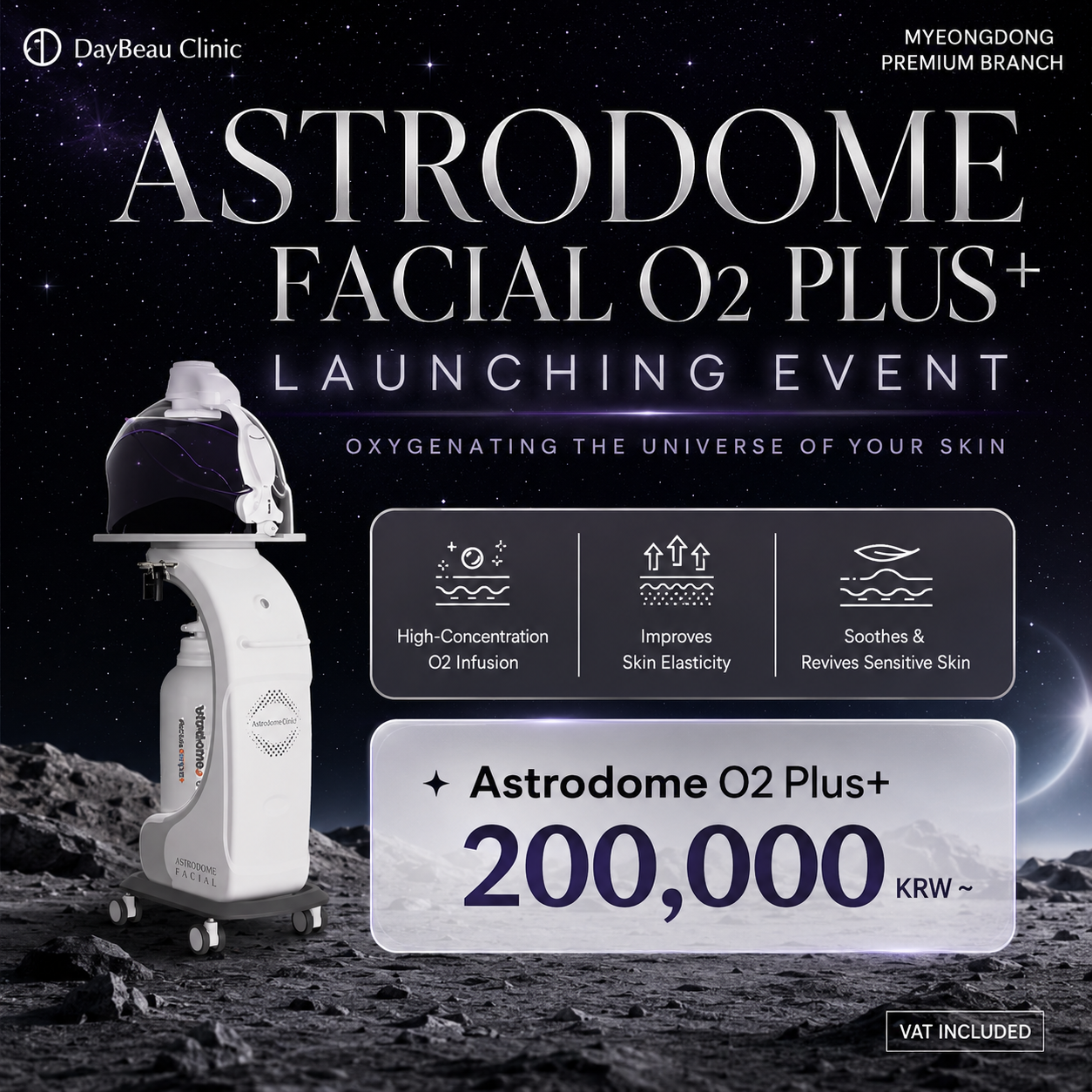
South Korea is especially famous for advanced dermatology technology.
Korean skin clinics use innovative devices and treatment methods for:
- Skin rejuvenation
- Acne scar improvement
- Pigmentation correction
- Anti-aging care
- Skin tightening
- Texture improvement
Advanced Laser Technology
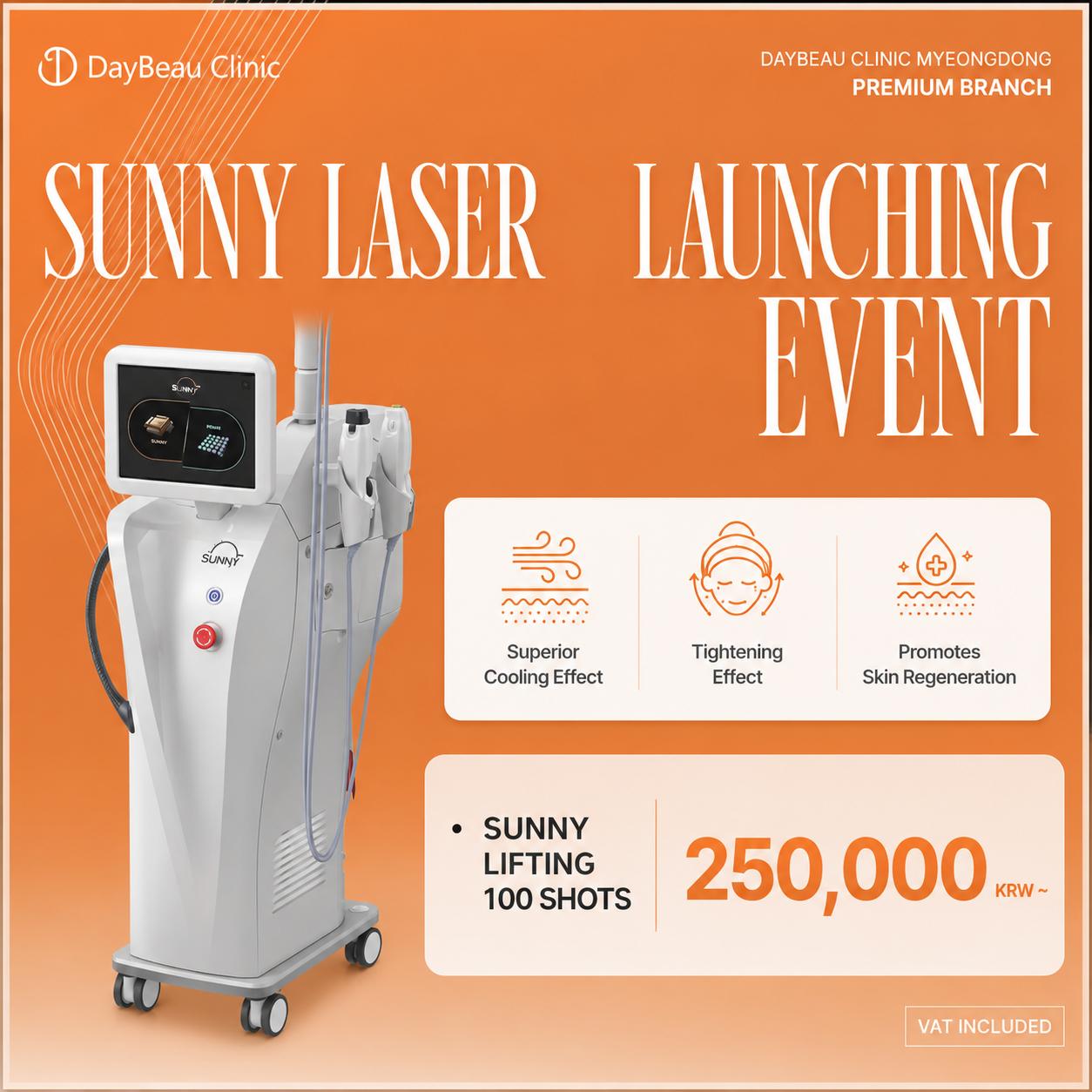
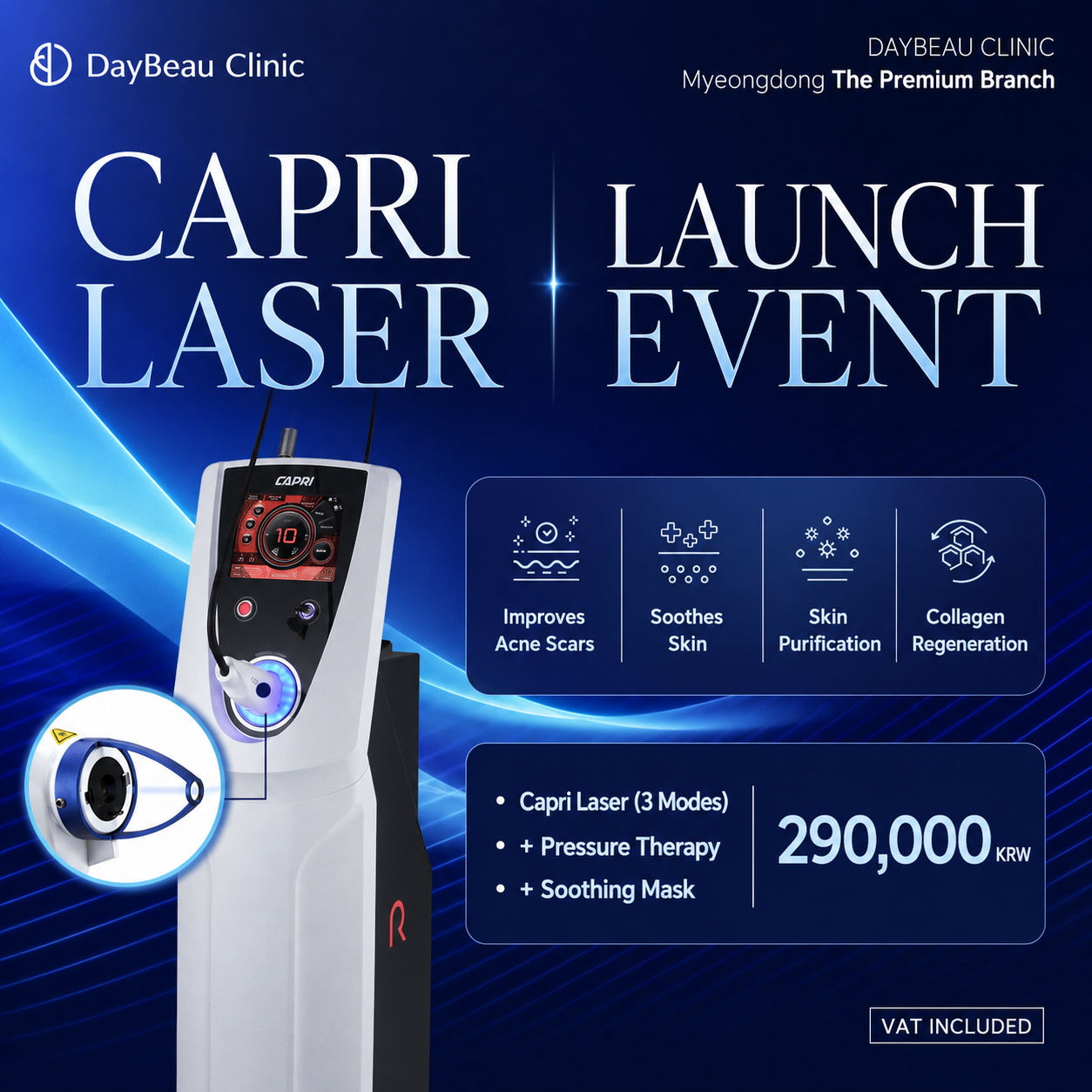
Korean dermatology clinics use various laser technologies, including:
- Pico laser
- Fractional laser
- CO2 laser
- Vascular laser
- Pigmentation lasers
These technologies help treat concerns such as:
- Dark spots
- Melasma
- Acne scars
- Uneven skin tone
- Fine lines
RF and Ultrasound Skin Technology
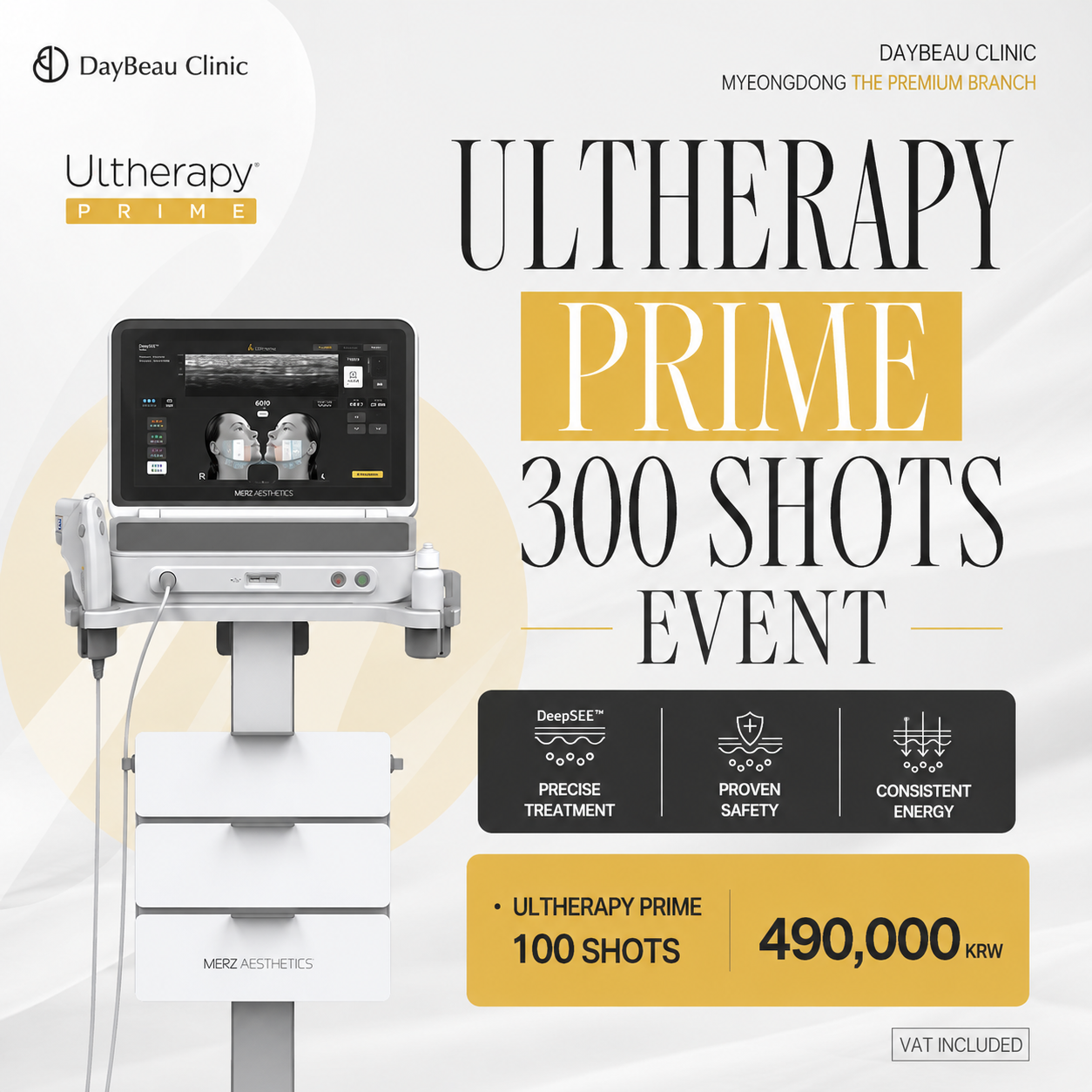
Korea is also known for energy-based skin treatments using:
- Radiofrequency technology
- Ultrasound energy
- High-frequency devices
These treatments are popular for:
- Skin tightening
- Collagen stimulation
- Facial rejuvenation
Many international visitors choose Korean clinics because of their advanced equipment and customized treatment approaches.
Regenerative Medicine and Biotechnology in Korea
South Korea has made significant progress in biotechnology and regenerative medicine.
Research areas include:
- Stem cell technology
- Tissue regeneration
- Cellular therapies
- Growth factor treatments
These technologies aim to support:
- Tissue repair
- Healing processes
- Advanced medical treatments
Regenerative medicine continues to be an important area of Korean healthcare innovation.
Personalized Medicine Technology
Modern healthcare is moving toward personalized treatment, and Korea is actively developing this field.
Personalized medicine considers:
- Individual genetics
- Health history
- Lifestyle factors
- Treatment response
This approach allows doctors to create treatment plans that are more suitable for each patient.
Personalized healthcare is especially valuable for complex medical conditions and long-term health management.
Health Screening Technology in Korea
Korea is famous for efficient and comprehensive health screening programs.
Advanced screening technology includes:
- Blood analysis
- Imaging tests
- Cancer screening
- Cardiovascular assessments
- Genetic testing
Many international patients visit Korea specifically for preventive healthcare because screenings are:
- Fast
- Detailed
- Technology-focused
- Affordable
Early detection allows doctors to identify potential health problems before they become serious.
Artificial Intelligence and Big Data in Korean Healthcare
South Korea is investing heavily in AI and healthcare data systems.
Big data technology helps healthcare providers analyze:
- Large amounts of medical information
- Treatment results
- Disease trends
- Patient patterns
Benefits include:
- Improved diagnosis
- Better treatment planning
- More efficient healthcare management
AI and data-driven healthcare are expected to play an even bigger role in Korea’s medical future.
Medical Device Innovation in Korea
Korea has developed a growing medical device industry.
Korean companies create technologies used in:
- Diagnostics
- Surgery
- Rehabilitation
- Patient monitoring
- Aesthetic medicine
Medical device innovation supports hospitals and clinics in providing safer and more effective treatments.
Why International Patients Choose Korea for Medical Technology
International patients are attracted to Korea because of its combination of:
- Advanced technology
- Experienced specialists
- Modern facilities
- Competitive costs
- International services
Many patients choose Korea for treatments that require advanced equipment and specialized medical knowledge.
Popular areas include:
- Cosmetic dermatology
- Plastic surgery
- Cancer treatment
- Robotic surgery
- Health screening
Korean Medical Technology vs Other Countries
Compared with many countries, Korea has several advantages.
Fast Adoption of Innovation
Korean healthcare providers often adopt new technologies quickly.
Technology-Based Treatments
Many Korean clinics combine technology with personalized medical approaches.
Affordable Advanced Care
Patients can often access advanced treatments at competitive prices compared with some Western countries.
Strong Healthcare Infrastructure
Modern hospitals and efficient systems support high-quality medical services.
Benefits of Korean Medical Technology for Patients
Advanced medical technology provides several benefits:
More Accurate Diagnosis
Modern equipment helps doctors identify conditions more precisely.
Less Invasive Treatments
Technology allows many procedures to be performed with:
- Smaller incisions
- Less discomfort
- Faster recovery
Better Treatment Planning
Doctors can use detailed information to create personalized treatment strategies.
Improved Patient Experience
Digital systems and efficient processes make healthcare more convenient.
Frequently Asked Questions
Why is Korean medical technology advanced?
Korea invests heavily in healthcare research, technology, biotechnology, and digital systems.
Is Korea a leader in medical technology?
Yes. Korea is recognized globally for advanced healthcare technology, especially in digital healthcare, surgery, and dermatology.
What medical technology is Korea famous for?
Korea is known for robotic surgery, AI healthcare, advanced imaging, laser dermatology, and regenerative medicine.
Why do foreigners choose Korea for medical treatments?
International patients choose Korea because of advanced technology, skilled doctors, affordable treatments, and international patient services.
Is Korean dermatology technology advanced?
Yes. Korean dermatology clinics are internationally recognized for advanced laser devices, skin treatments, and aesthetic technologies.
Conclusion
Korean medical technology has transformed South Korea into one of the world’s leading healthcare destinations. Through advanced diagnostics, robotic surgery, artificial intelligence, digital healthcare systems, and innovative dermatology technologies, Korea continues to provide high-quality medical solutions for patients worldwide.
For international visitors, Korea offers more than modern medical equipment. It provides a complete healthcare experience supported by skilled doctors, advanced facilities, personalized treatments, and efficient patient services.
As medical innovation continues to grow, South Korea will remain a global leader in healthcare technology and a trusted destination for patients seeking advanced, safe, and effective medical care.