
Invisalign or Braces in Korea: Which Should You Choose?
Introduction
A straight, healthy smile can improve confidence, facial appearance, and long-term oral health. For patients with crooked teeth, gaps, overcrowding, or bite problems, orthodontic treatment is one of the most effective ways to achieve a balanced smile. Today, many people considering orthodontics face an important decision: Invisalign or traditional braces?
South Korea has become a popular destination for orthodontic treatment among international patients because of its advanced dental technology, experienced orthodontists, and competitive treatment costs. Korean dental clinics offer both Invisalign and various types of braces, including ceramic braces and traditional metal braces, with personalized treatment plans designed around each patient’s needs. Understanding the differences between Invisalign vs braces in Korea can help you select the best option based on your lifestyle, budget, and orthodontic goals.
What Is Invisalign?
Understanding Invisalign Treatment
Invisalign is a modern orthodontic treatment that uses a series of clear, removable aligners to gradually move teeth into the correct position.
Unlike traditional braces, Invisalign does not use:
- Metal brackets
- Wires
- Elastic bands
Instead, patients wear custom-made transparent aligners created using advanced digital scanning technology.
How Invisalign Works
The Invisalign process usually includes:
- Orthodontic consultation
- Digital teeth scanning
- 3D treatment planning
- Custom aligner fabrication
- Regular progress checks
Each aligner is worn for approximately one to two weeks before moving to the next stage.
Dental Problems Invisalign Can Treat
Invisalign can correct:
- Mild to moderate crowding
- Tooth gaps
- Slight bite problems
- Crooked teeth
- Minor alignment issues
For complex orthodontic cases, traditional braces may sometimes provide better control.
What Are Traditional Braces?
Understanding Braces Treatment
Traditional braces use brackets attached to the teeth and connected with wires that apply controlled pressure to gradually move teeth.
Types of braces available in Korea include:
- Metal braces
- Ceramic braces
- Self-ligating braces
- Lingual braces
Braces remain one of the most reliable orthodontic treatments worldwide.
How Braces Work
The treatment involves:
- Dental examination
- X-rays and orthodontic evaluation
- Bracket placement
- Regular adjustment appointments
- Final retainer placement
The orthodontist adjusts the wires periodically to guide tooth movement.
Invisalign vs Braces in Korea: Key Differences
Appearance
Invisalign
One of the biggest advantages of Invisalign is its appearance.
Benefits include:
- Nearly invisible aligners
- More natural smile during treatment
- Less noticeable during professional or social activities
This makes Invisalign popular among adults and international professionals.
Braces
Traditional braces are more visible because of:
- Metal brackets
- Orthodontic wires
However, ceramic braces provide a less noticeable alternative using tooth-colored materials.
Comfort Comparison
Invisalign Comfort
Invisalign aligners are generally considered more comfortable because:
- They have smooth surfaces
- They can be removed while eating
- They cause fewer mouth irritations
Some patients experience mild pressure when changing aligners.
Braces Comfort
Braces may cause:
- Initial soreness
- Cheek or lip irritation
- Discomfort after adjustments
Over time, most patients adapt to the treatment.
Treatment Effectiveness
When Invisalign Works Best
Invisalign is effective for:
- Mild crowding
- Small gaps
- Cosmetic alignment concerns
- Certain bite corrections
The success of Invisalign depends heavily on wearing aligners as instructed.
When Braces Are Better
Braces are often recommended for:
- Severe crowding
- Complex bite issues
- Significant tooth rotation
- Major orthodontic corrections
They provide orthodontists with precise control over tooth movement.
Treatment Duration
Invisalign Timeline
Average treatment time:
- 6–24 months
The duration depends on:
- Number of aligners needed
- Complexity of the case
- Patient compliance
Braces Timeline
Average treatment time:
- 18–36 months
Complex cases may require longer treatment periods.
Cost Comparison: Invisalign vs Braces in Korea
Invisalign Cost in Korea
Average cost:
- $3,000–$8,000
The price depends on:
- Treatment complexity
- Number of aligners
- Orthodontist experience
- Clinic location
Braces Cost in Korea
Average costs:
- Metal braces: $2,000–$5,000
- Ceramic braces: $3,000–$6,000
- Lingual braces: $5,000–$10,000
Costs vary based on materials and treatment requirements.
Which Is More Affordable?
Braces as a Budget-Friendly Option
Traditional braces are often more affordable, especially for patients requiring extensive orthodontic correction.
Advantages include:
- Lower initial cost
- Reliable results
- Suitable for complex cases
Invisalign as a Premium Option
Invisalign usually costs more because of:
- Digital planning technology
- Custom aligner production
- Advanced treatment systems
Many patients consider the additional cost worthwhile because of comfort and aesthetics.
Maintenance and Daily Lifestyle
Eating Habits
Invisalign
Patients can remove aligners when eating, allowing them to enjoy:
- Normal meals
- Hard foods
- Sticky foods
They must clean aligners regularly.
Braces
Patients may need to avoid:
- Hard candies
- Sticky foods
- Certain crunchy foods
Food restrictions help prevent bracket damage.
Oral Hygiene
Cleaning With Invisalign
Patients can brush and floss normally because aligners are removable.
Cleaning With Braces
Braces require extra care using:
- Orthodontic brushes
- Interdental cleaners
- Special flossing tools
Proper hygiene helps prevent cavities during treatment.
Who Is a Good Candidate for Invisalign?
Invisalign may be ideal if you:
- Want a discreet treatment option
- Prefer removable aligners
- Have mild to moderate orthodontic issues
- Want fewer lifestyle restrictions
It is especially popular among:
- Adults
- Business professionals
- International patients
Who Is a Good Candidate for Braces?
Braces may be better if you:
- Have complex alignment problems
- Need significant tooth movement
- Require precise orthodontic control
- Prefer a more affordable option
Why Choose Korea for Invisalign and Braces?
South Korea is recognized for advanced orthodontic care.
International patients choose Korea because of:
- Experienced orthodontists
- Digital orthodontic technology
- Modern dental facilities
- Competitive prices
- International patient support
Many Korean orthodontic clinics provide:
- English-speaking coordinators
- Online consultations
- Digital treatment planning
- Flexible appointment scheduling
Popular Locations for Orthodontic Treatment in Korea
Gangnam
Gangnam is one of Seoul’s most popular areas for advanced dental and cosmetic treatments.
Patients can find:
- Specialist orthodontic clinics
- Modern facilities
- International services
Jamsil
Jamsil offers convenient access for families and international residents seeking orthodontic care.
Myeongdong
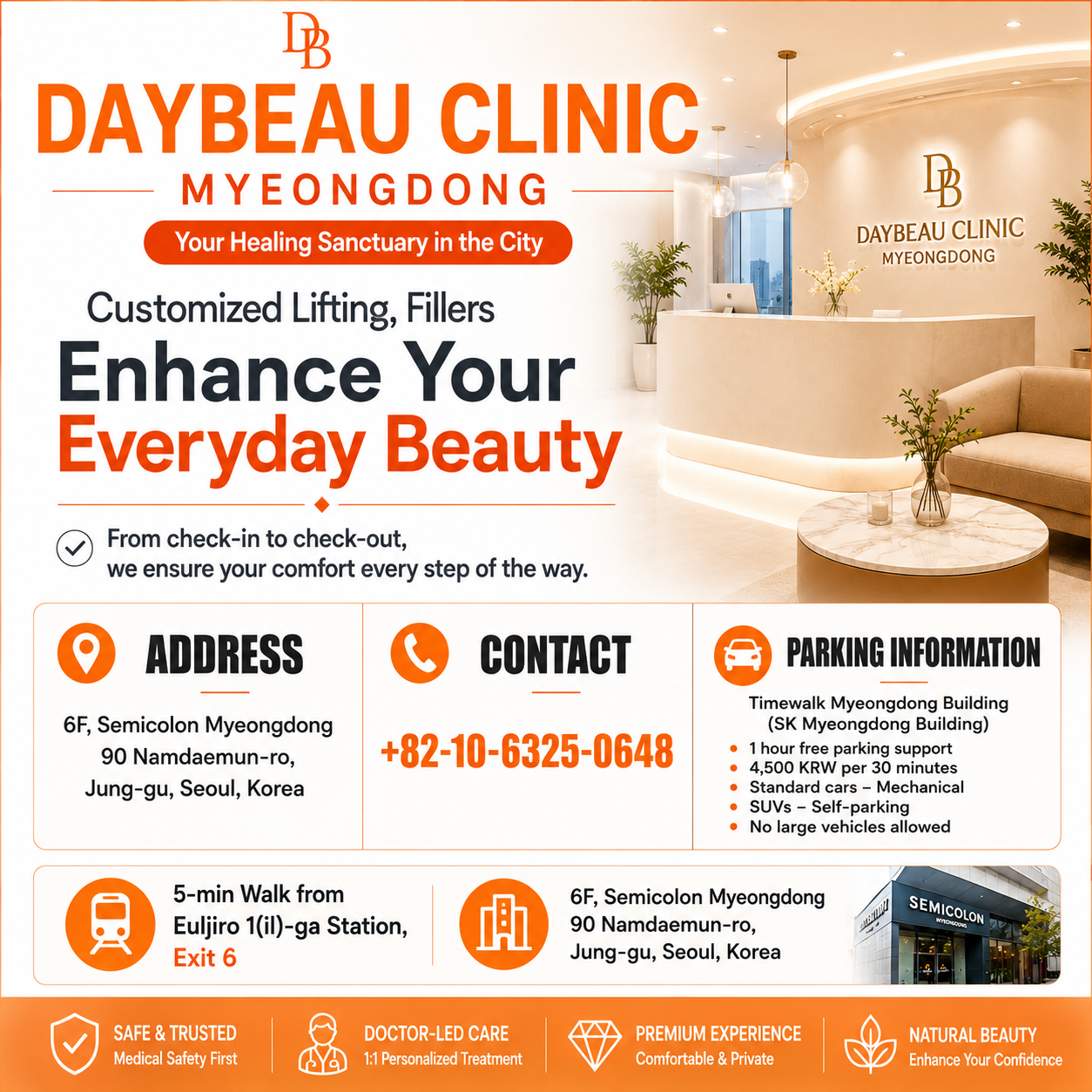
Myeongdong is popular among tourists because of its central location and convenient transportation.
Frequently Asked Questions
Is Invisalign cheaper than braces in Korea?
Usually, traditional braces cost less than Invisalign. However, Invisalign offers advantages in appearance and convenience.
Is Invisalign effective compared with braces?
Yes. Invisalign can achieve excellent results for many mild to moderate cases, but braces may be more suitable for complex orthodontic problems.
How long does Invisalign take in Korea?
Treatment usually takes between 6 and 24 months depending on the complexity of tooth movement.
Can foreigners get Invisalign or braces in Korea?
Yes. Many Korean orthodontic clinics provide treatment for international patients with English support.
Conclusion
When comparing Invisalign vs braces in Korea, the best choice depends on your orthodontic needs, lifestyle preferences, and budget. Invisalign provides a discreet, comfortable, and flexible option for patients who want less noticeable treatment. Traditional braces remain a highly effective choice, especially for complex cases requiring precise tooth movement.
For international patients seeking orthodontic treatment, South Korea offers advanced technology, experienced orthodontists, and affordable treatment options. A professional consultation with a Korean orthodontic specialist can help determine whether Invisalign or braces will provide the best path toward achieving a healthier, straighter, and more confident smile.