
Why Is My Skin Rough? Causes and Best Treatments in Korea
Introduction
Rough skin texture is a common concern that can make the face appear dull, uneven, or less healthy. Even with regular skincare, some people experience persistent roughness caused by dehydration, damaged skin barriers, enlarged pores, acne scars, aging, or reduced collagen production.
While skincare products can help improve surface hydration, many texture concerns are related to deeper changes in the skin. Professional dermatology treatments can stimulate skin renewal, improve elasticity, and create smoother-looking skin.
South Korea is known for its advanced dermatology clinics and innovative skin rejuvenation treatments. Korean dermatologists commonly use procedures such as Pico laser, fractional laser, RF microneedling, skin boosters, Rejuran, chemical peels, and collagen-stimulating treatments to improve rough skin texture.
For international patients, expats, and medical tourists visiting Seoul, understanding the causes of rough skin and available treatment options can help them choose the right approach for healthier-looking skin.
Understanding Rough Skin Texture
What Does Rough Skin Mean?
Rough skin refers to an uneven skin surface that feels less smooth and soft.
It may appear as:
- Uneven texture
- Dry or flaky areas
- Dull appearance
- Visible pores
- Small bumps
- Reduced skin smoothness
Rough skin can affect any skin type, including oily, dry, and combination skin.
Common Areas Affected by Rough Skin
Rough texture commonly appears on:
- Cheeks
- Forehead
- Nose
- Chin
- Areas with enlarged pores or acne scars
A dermatologist evaluates the underlying cause before recommending treatment.
Causes of Rough Skin
Dehydration and Damaged Skin Barrier
One of the most common causes of rough skin is insufficient moisture and a weakened skin barrier.
This may result from:
- Over-exfoliation
- Harsh skincare products
- Weather changes
- Lack of hydration
- Excessive cleansing
When the skin barrier is damaged, the surface may become dry, sensitive, and uneven.
Dead Skin Cell Buildup
When dead skin cells accumulate on the surface, they can make the skin feel rough and appear dull.
This may contribute to:
- Uneven texture
- Clogged pores
- Dull complexion
- Reduced skin brightness
Enlarged Pores and Excess Oil
Excess sebum production can make pores appear larger and contribute to uneven texture.
Common factors include:
- Oily skin
- Hormonal changes
- Improper skincare routine
- Pore congestion
Acne Scars and Previous Skin Damage
Acne inflammation can damage collagen and create uneven skin texture.
This may result in:
- Depressed acne scars
- Enlarged pores
- Rough surface appearance
- Uneven skin tone
Aging and Collagen Loss
As skin ages, collagen production decreases.
This can cause:
- Reduced firmness
- Fine lines
- Less smooth texture
- Increased visibility of pores
Collagen stimulation is often an important part of anti-aging skin treatments.
Sun Damage
Long-term UV exposure can affect skin quality.
Sun damage may lead to:
- Rough texture
- Uneven pigmentation
- Reduced elasticity
- Premature aging
How Korean Dermatologists Diagnose Rough Skin
Skin Analysis and Consultation
Before treatment, Korean dermatologists evaluate:
- Skin texture
- Hydration level
- Pore condition
- Pigmentation concerns
- Acne history
- Skin sensitivity
Some clinics use advanced skin analysis systems to understand skin problems more accurately.
Personalized Treatment Planning
Treatment recommendations depend on:
- Main cause of roughness
- Skin type
- Severity of texture concerns
- Recovery preferences
- Desired improvement
A customized plan helps address the specific reason behind rough skin.
Best Rough Skin Treatments in Korea
Pico Laser for Skin Texture Improvement
Pico laser is a popular treatment in Korean dermatology clinics for improving overall skin quality.
It may help with:
- Uneven texture
- Dull appearance
- Pigmentation concerns
- Collagen stimulation
Pico laser works by delivering energy to the skin to support renewal and improve skin condition.
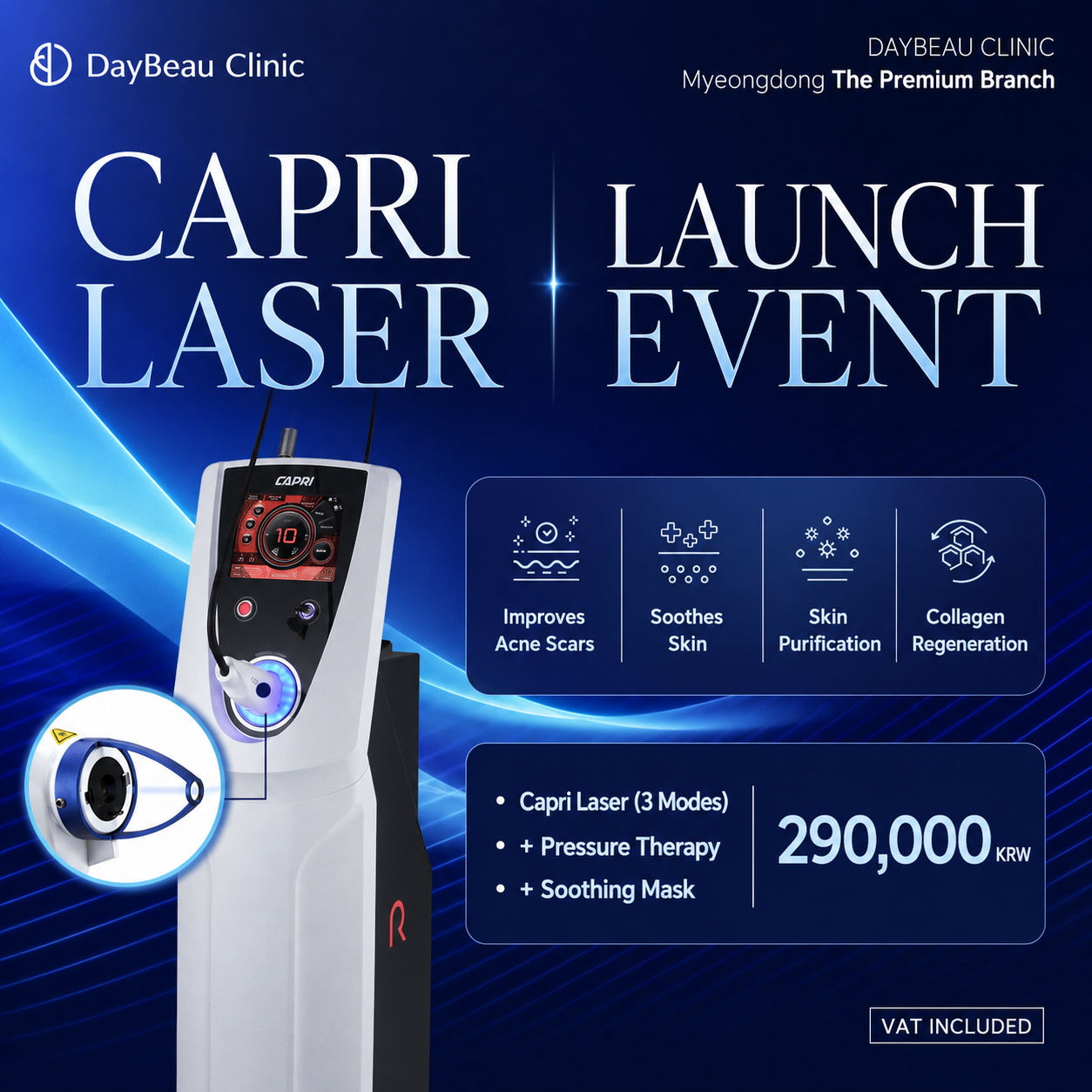
Fractional Laser Treatment
Fractional laser treatments improve skin texture by creating controlled microscopic treatment areas.
They stimulate the skin’s natural healing process and collagen production.
Potential benefits include:
- Smoother skin surface
- Improved acne scar texture
- Reduced pore appearance
- Better skin firmness
Treatment intensity depends on skin condition and desired results.
RF Microneedling for Rough Texture
RF microneedling combines tiny needles with radiofrequency energy to stimulate deeper collagen production.
It may improve:
- Rough skin texture
- Enlarged pores
- Acne-related unevenness
- Skin firmness
Many Korean clinics use RF microneedling as part of customized skin rejuvenation programs.
Rejuran for Skin Repair and Texture
Rejuran is a popular Korean skin rejuvenation treatment designed to improve overall skin quality.
It may support:
- Skin elasticity
- Hydration
- Fine texture improvement
- Skin regeneration
It is often chosen by patients who want gradual and natural-looking improvement.
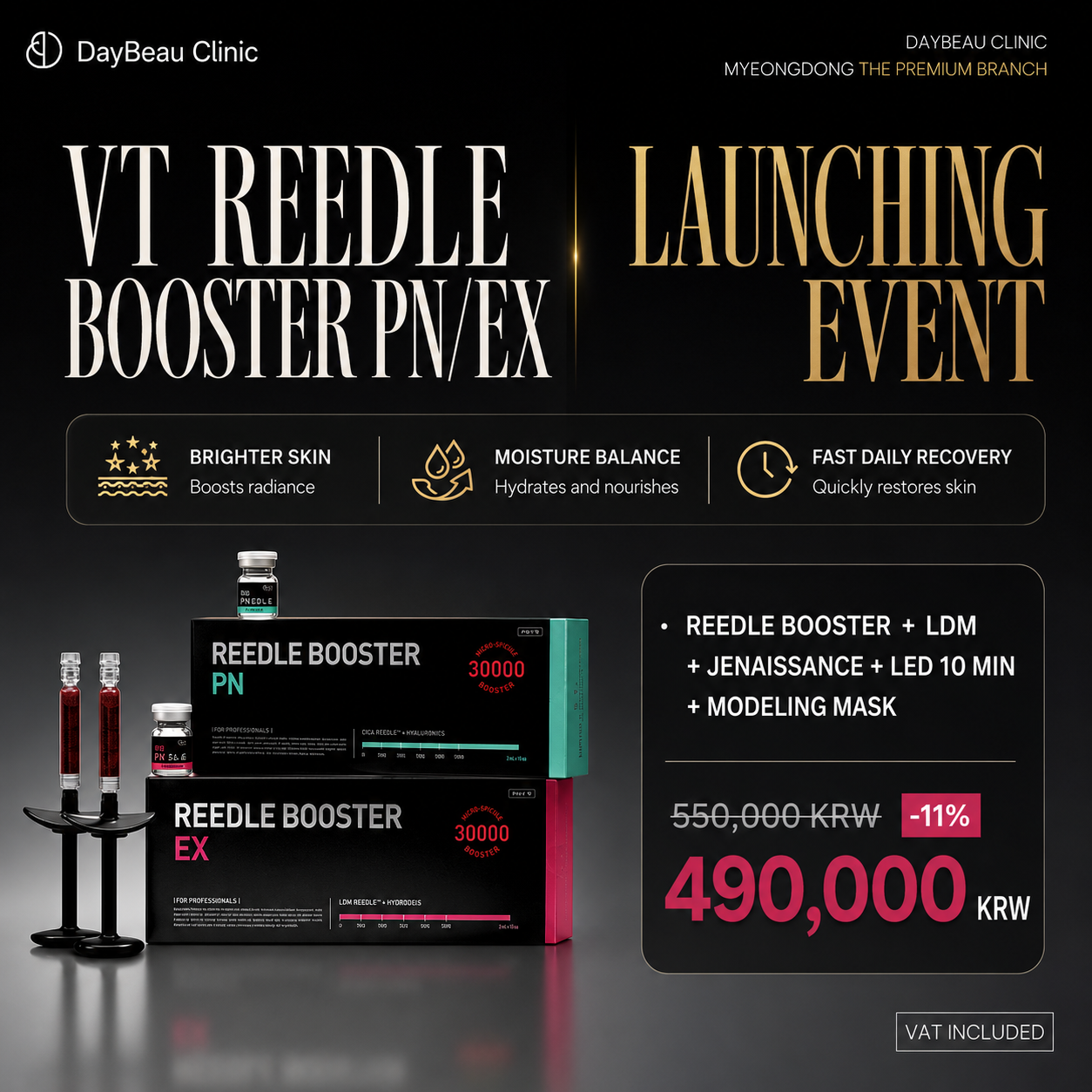
Skin Boosters for Hydration and Glow
Skin boosters focus on improving skin hydration and quality.
They may help with:
- Dryness
- Fine lines
- Dull skin
- Uneven texture
Common skin boosters include hyaluronic acid-based treatments and regenerative skin procedures.
Chemical Peels for Rough Skin
Chemical peels help remove accumulated dead skin cells and support skin renewal.
They may improve:
- Rough surface texture
- Clogged pores
- Uneven tone
- Dull appearance
A dermatologist selects the appropriate peel based on skin sensitivity.
Combination Treatments for Rough Skin
Why Korean Clinics Combine Treatments
Rough skin often has multiple causes, such as:
- Dehydration
- Collagen loss
- Enlarged pores
- Acne scars
- Sun damage
Combination treatments allow doctors to target several concerns at the same time.
Common Treatment Combinations
Examples include:
- Pico laser + skin boosters
- RF microneedling + Rejuran
- Fractional laser + hydration treatments
- Chemical peel + laser therapy
- Collagen stimulation + skin rejuvenation
The best combination depends on individual skin condition.
Home Skincare Tips to Support Smooth Skin
Protecting the Skin Barrier
Patients should maintain a gentle skincare routine.
Helpful habits include:
- Using mild cleansers
- Applying moisturizer regularly
- Using sunscreen daily
- Avoiding excessive exfoliation
- Maintaining proper hydration
Professional treatments work best when supported by consistent skincare habits.
Rough Skin Treatment Process in Korea
Step 1: Consultation
The dermatologist evaluates:
- Skin concerns
- Texture problems
- Previous skincare treatments
- Desired outcomes
Step 2: Customized Treatment Plan
The doctor recommends:
- Suitable procedures
- Number of sessions
- Expected recovery
- Aftercare instructions
Step 3: Treatment Session
A typical session may include:
- Skin cleansing
- Applying numbing cream if needed
- Performing the selected procedure
- Applying calming skincare
- Providing aftercare guidance
Recovery After Rough Skin Treatments
Common Temporary Effects
Depending on the procedure, patients may experience:
- Redness
- Mild swelling
- Dryness
- Peeling
- Temporary sensitivity
Recovery time depends on the treatment method.
Aftercare Tips
Patients should:
- Use sunscreen regularly
- Avoid strong sunlight
- Keep skin moisturized
- Avoid harsh skincare products
- Follow dermatologist instructions
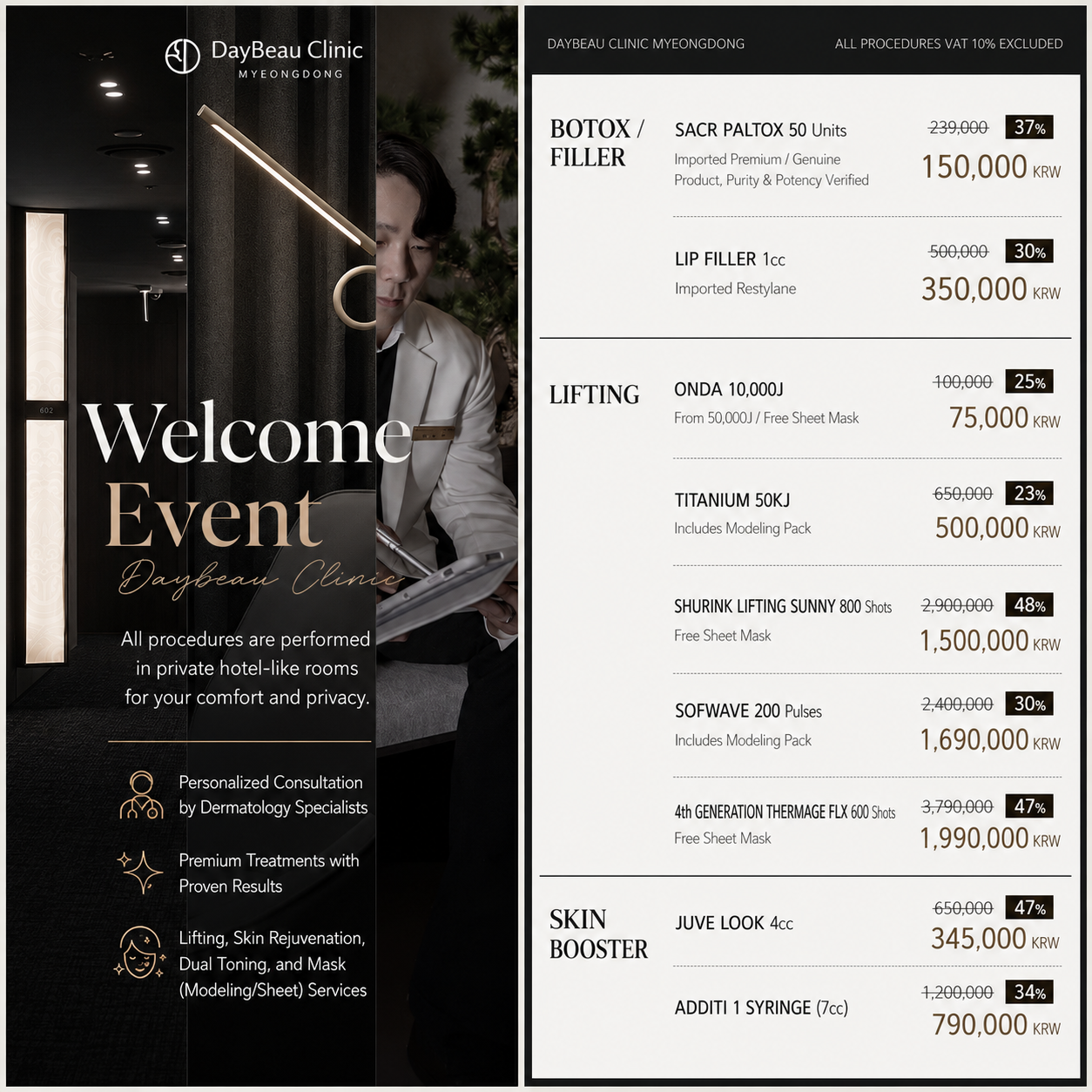
Cost of Rough Skin Treatment in Korea
Factors Affecting Treatment Price
Costs vary depending on:
- Treatment type
- Number of sessions
- Combination procedures
- Clinic location
- Doctor experience
A consultation provides accurate pricing based on individual needs.
Why Choose Korea for Rough Skin Treatment?
Advanced Dermatology Technology
Korean dermatology clinics provide:
- Modern laser treatments
- Skin regeneration procedures
- Personalized skincare plans
- Advanced skin analysis
Experienced Dermatologists
Korean doctors consider:
- Skin condition
- Texture concerns
- Lifestyle factors
- Desired results
when designing treatment plans.
Tips for International Patients Visiting Korea
Before Treatment
Patients should:
- Research qualified clinics
- Book consultations early
- Prepare skincare history
- Understand recovery requirements
- Discuss treatment expectations
During Your Stay
Patients should:
- Follow aftercare instructions
- Protect treated skin
- Schedule follow-up visits if needed
- Communicate with clinic staff
Choosing the Right Korean Dermatology Clinic
Important Factors to Consider
A reliable clinic should provide:
- Doctor-led consultations
- Detailed skin evaluation
- Personalized treatment plans
- Clear explanations
- Realistic expectations
Patients should avoid clinics that promise instant or guaranteed results.
Conclusion
Rough skin texture can develop due to many factors, including dehydration, enlarged pores, acne scars, aging, and environmental damage. In Korea, advanced dermatology treatments such as Pico laser, fractional laser, RF microneedling, Rejuran, and skin boosters offer effective options for improving skin texture and quality.
Because every person's skin condition is different, the best treatment approach requires professional evaluation and personalized planning. Korean dermatology clinics focus on improving skin health while creating smoother, more balanced, and natural-looking results.
Frequently Asked Questions About Rough Skin Treatment in Korea
What is the best treatment for rough skin in Korea?
The best treatment depends on the cause. Laser treatments, RF microneedling, skin boosters, and regenerative procedures are commonly used.
Can rough skin become smooth again?
Yes. Professional treatments combined with proper skincare can improve skin texture and overall appearance.
Are rough skin treatments painful?
Most treatments involve manageable discomfort. Clinics often use numbing cream when necessary.
How many sessions are needed for rough skin treatment?
The number of sessions depends on the treatment method and individual skin condition.
Can tourists get rough skin treatments in Seoul?
Yes. Many Korean dermatology clinics provide customized skin texture treatments for international patients.
How much does rough skin treatment cost in Korea?
Costs depend on the procedure, number of sessions, clinic location, and individual treatment needs.