
Best Korean Treatments for Dehydrated Skin
Introduction
Dehydrated skin is a common concern that can make the face appear dull, tired, rough, and less healthy. Unlike naturally dry skin, dehydration occurs when the skin lacks sufficient water, even if the skin produces normal or excessive oil.
Many people experience dehydrated skin because of environmental stress, damaged skin barriers, aging, excessive skincare routines, or insufficient moisture retention. Common signs include tightness, fine dehydration lines, rough texture, sensitivity, and reduced skin glow.
While hydrating skincare products can help improve surface moisture, persistent dehydration may require professional dermatology treatments. South Korea is well known for advanced skin rejuvenation procedures that focus on hydration, skin barrier recovery, and overall skin quality.
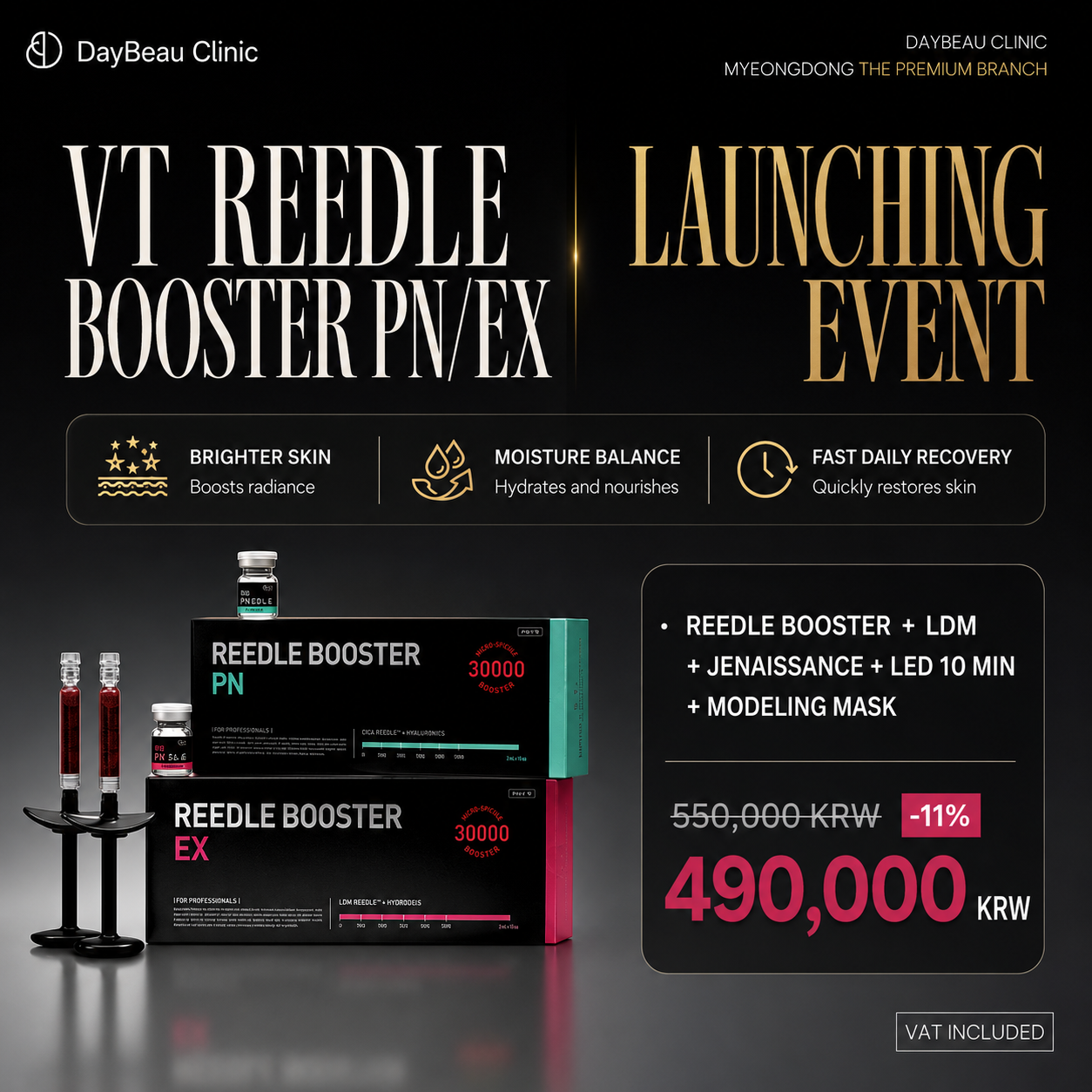
Korean dermatologists commonly recommend treatments such as skin boosters, Rejuran, LDM therapy, hyaluronic acid hydration treatments, Aqua Peel, and customized hydration programs to restore moisture balance and improve skin condition.
For international patients, expats, and medical tourists visiting Seoul, understanding the causes of dehydrated skin and available Korean treatments can help them choose the right solution for healthier and more radiant skin.
Understanding Dehydrated Skin
What Is Dehydrated Skin?
Dehydrated skin is a condition where the skin lacks water, causing it to appear less smooth and less radiant.
Unlike dry skin, which is related to insufficient oil production, dehydrated skin can affect all skin types, including oily and combination skin.
Common signs include:
- Tight feeling after cleansing
- Dull complexion
- Rough skin texture
- Fine dehydration lines
- Increased sensitivity
- Makeup appearing uneven
Dehydrated skin often requires moisture restoration rather than simply adding oil-based products.
Dehydrated Skin vs Dry Skin
Although they are often confused, dehydrated skin and dry skin have different causes.
ConditionMain IssueCommon SignsDehydrated skinLack of waterDullness, tightness, fine lines, rough textureDry skinLack of natural oilsFlaking, irritation, rough patches
A dermatologist can determine whether the main concern is dehydration, dryness, or a combination of both.
Causes of Dehydrated Skin
Damaged Skin Barrier
The skin barrier protects against moisture loss. When it becomes weakened, water evaporates more easily from the skin surface.
Common causes include:
- Over-exfoliation
- Harsh skincare products
- Excessive cleansing
- Frequent cosmetic treatments
- Environmental stress
A damaged barrier can make the skin sensitive and difficult to hydrate.
Environmental Factors
External conditions can reduce skin hydration.
Common factors include:
- Cold weather
- Dry indoor air
- Air pollution
- Excessive sun exposure
- Frequent temperature changes
These factors can affect the skin’s ability to maintain moisture.
Aging and Reduced Moisture Retention
As skin ages, natural hydration levels and collagen production gradually decrease.
This may cause:
- Fine lines
- Loss of elasticity
- Dull appearance
- Rough texture
Hydration-focused treatments are often combined with anti-aging procedures.
Incorrect Skincare Routine
Certain skincare habits may contribute to dehydration.
Examples include:
- Using strong cleansers
- Excessive use of acids or exfoliants
- Skipping moisturizer
- Using unsuitable products
A balanced skincare routine helps maintain healthy hydration levels.
Lifestyle Factors
Daily habits can also affect skin hydration.
Factors include:
- Lack of sleep
- Stress
- Low water intake
- Poor nutrition
- Excessive alcohol consumption
Improving lifestyle habits supports professional treatment results.
How Korean Dermatologists Diagnose Dehydrated Skin
Skin Hydration Analysis
Before treatment, Korean dermatologists evaluate:
- Moisture levels
- Skin barrier condition
- Texture
- Sensitivity
- Fine lines
- Overall skin quality
Some clinics use digital skin analysis systems to assess hydration and other concerns.
Customized Treatment Planning
Treatment recommendations depend on:
- Severity of dehydration
- Skin type
- Barrier condition
- Desired results
- Recovery preferences
A personalized approach helps restore hydration without irritating the skin.
Best Korean Treatments for Dehydrated Skin
Skin Boosters for Deep Hydration
Skin boosters are among the most popular hydration treatments in Korean dermatology clinics.
They deliver hydrating ingredients into the skin to improve moisture levels and overall skin quality.
Potential benefits include:
- Increased skin hydration
- Smoother texture
- Improved elasticity
- Healthier glow
- Reduced appearance of fine dehydration lines
Common skin boosters may include hyaluronic acid-based formulations and regenerative ingredients.
Rejuran for Skin Hydration and Repair
Rejuran is a popular Korean skin rejuvenation treatment designed to improve overall skin condition.
It may support:
- Skin repair
- Elasticity improvement
- Better moisture balance
- Improved texture
Many patients choose Rejuran when they want gradual improvement in skin quality.
Hyaluronic Acid Hydration Treatments
Hyaluronic acid is naturally found in the skin and helps attract and retain water.
Professional hyaluronic acid treatments may help improve:
- Skin moisture
- Smoothness
- Plump appearance
- Skin flexibility
These treatments are commonly selected for dehydrated and tired-looking skin.
LDM Therapy for Skin Barrier Support
LDM (Local Dynamic Micromassage) therapy is a non-invasive treatment used in some Korean dermatology clinics.
It may help support:
- Skin hydration
- Barrier recovery
- Sensitive skin management
- Improved skin condition
LDM therapy is often combined with other hydration treatments.
Aqua Peel for Hydration and Skin Renewal
Aqua Peel is a gentle Korean facial treatment that combines cleansing and hydration.
It may help improve:
- Dead skin buildup
- Rough texture
- Dull appearance
- Surface hydration
It is often chosen by patients looking for refreshed skin with minimal downtime.
Laser Treatments for Skin Quality Improvement
Some gentle laser treatments may be combined with hydration procedures to improve overall skin condition.
They may support:
- Skin renewal
- Texture improvement
- Brighter appearance
- Collagen stimulation
The recommended laser treatment depends on skin sensitivity and concerns.
Combination Treatments for Dehydrated Skin
Why Korean Clinics Combine Hydration Treatments
Dehydrated skin often involves multiple concerns, including:
- Weak skin barrier
- Rough texture
- Aging changes
- Dull complexion
- Loss of elasticity
Combination treatments allow dermatologists to address several concerns at the same time.
Common Treatment Combinations
Examples include:
- Skin booster + LDM therapy
- Rejuran + hydration treatment
- Aqua Peel + moisturizing care
- Hyaluronic acid treatment + collagen stimulation
- Laser treatment + skin boosters
The ideal combination depends on individual skin condition.
Home Care Tips for Dehydrated Skin
Restoring Daily Hydration
Patients should maintain a hydration-focused skincare routine.
Helpful habits include:
- Using gentle cleansers
- Applying moisturizer consistently
- Using hydrating ingredients
- Applying sunscreen daily
- Avoiding excessive exfoliation
Protecting the Skin Barrier
To prevent moisture loss:
- Avoid harsh products
- Reduce unnecessary treatments
- Choose barrier-supporting skincare
- Keep skin protected from environmental stress
Who Is a Good Candidate for Dehydrated Skin Treatment?
Suitable Candidates
Professional hydration treatments may be suitable for people who:
- Have dull or tired-looking skin
- Experience tightness
- Have rough texture
- Notice dehydration lines
- Want improved skin quality
Patients Who Need Additional Evaluation
A dermatologist consultation may be needed for patients with:
- Severe irritation
- Active skin conditions
- Skin infections
- Recent aggressive procedures
Dehydrated Skin Treatment Process in Korea
Step 1: Consultation and Skin Analysis
The dermatologist evaluates:
- Hydration level
- Skin barrier condition
- Main concerns
- Previous treatments
Step 2: Customized Treatment Plan
The doctor recommends:
- Suitable hydration procedures
- Number of sessions
- Recovery expectations
- Aftercare instructions
Step 3: Treatment Session
A typical session may include:
- Skin cleansing
- Skin preparation
- Applying numbing cream if needed
- Performing the selected procedure
- Applying calming products
- Providing aftercare guidance
Recovery After Dehydrated Skin Treatments
Common Temporary Effects
Depending on the treatment, patients may experience:
- Mild redness
- Slight swelling
- Temporary sensitivity
- Small injection marks
- Dryness during adjustment
Recovery depends on the procedure.
Aftercare Tips
Patients should:
- Use gentle skincare products
- Apply moisturizer regularly
- Use sunscreen
- Avoid strong exfoliation
- Follow dermatologist instructions
Cost of Dehydrated Skin Treatment in Korea
Factors Affecting Treatment Price
Costs vary depending on:
- Treatment type
- Number of sessions
- Combination procedures
- Clinic location
- Doctor experience
A consultation provides accurate pricing based on individual needs.
Why Choose Korea for Dehydrated Skin Treatment?
Advanced Hydration Technology
South Korea is recognized for innovative skincare and dermatology solutions.
Korean clinics commonly provide:
- Skin boosters
- Regenerative treatments
- Hydration therapies
- Personalized skincare programs
Experienced Dermatologists
Korean dermatologists consider:
- Skin condition
- Hydration needs
- Sensitivity
- Long-term skin health
when creating treatment plans.
Tips for International Patients Visiting Korea
Before Treatment
International patients should:
- Research dermatology clinics
- Book consultations before arrival
- Prepare skincare history
- Discuss allergies and sensitivities
- Ask about recovery time
During Your Stay
Patients should:
- Follow aftercare instructions
- Protect skin from sunlight
- Maintain communication with clinics
- Schedule follow-ups when needed
Choosing the Right Korean Dermatology Clinic
Important Factors to Consider
A reliable clinic should provide:
- Doctor-led consultations
- Detailed skin analysis
- Customized treatment plans
- Clear communication
- Realistic expectations
Patients should avoid clinics that promise instant or permanent results.
Conclusion
The best Korean treatments for dehydrated skin focus on restoring moisture balance, improving skin barrier health, and enhancing overall skin quality. Treatments such as skin boosters, Rejuran, LDM therapy, hyaluronic acid hydration, and Aqua Peel are popular options for patients seeking smoother and healthier-looking skin.
Because dehydration can develop from different causes, professional evaluation is important for choosing the right treatment. Korean dermatology clinics provide personalized hydration programs designed to improve skin condition while maintaining natural-looking results.
Frequently Asked Questions About Dehydrated Skin Treatment in Korea
What is the best Korean treatment for dehydrated skin?
Skin boosters, Rejuran, LDM therapy, hyaluronic acid treatments, and Aqua Peel are commonly recommended depending on skin condition.
Can dehydrated skin be improved permanently?
Hydration levels can be improved, but maintaining healthy skin requires proper skincare and lifestyle habits.
Are hydration treatments painful?
Most treatments involve manageable discomfort. Clinics may use numbing cream for injectable procedures.
How many sessions are needed for dehydrated skin treatment?
The number of sessions depends on the treatment method and individual skin condition.
Can international patients get dehydrated skin treatments in Seoul?
Yes. Many Korean dermatology clinics provide customized hydration treatments for international patients.
How much do dehydrated skin treatments cost in Korea?
Costs depend on the procedure, number of sessions, clinic location, and treatment combination.