
Hyaluronic Acid Fillers vs Collagen Stimulators in Korea
Introduction
South Korea is one of the world's leading destinations for non-surgical facial rejuvenation, offering advanced cosmetic treatments performed by highly experienced dermatologists and aesthetic physicians. Among the most popular injectable procedures are hyaluronic acid (HA) fillers and collagen stimulators. Both treatments help improve signs of aging, restore facial volume, and enhance facial contours, but they work in very different ways.
If you're planning cosmetic treatment during your visit to Korea, you may wonder whether hyaluronic acid fillers or collagen stimulators are the better option. While both treatments can produce natural-looking facial rejuvenation, they differ in how they work, how quickly results appear, how long results last, and which concerns they are designed to address.
This guide compares hyaluronic acid fillers and collagen stimulators, explains their benefits, treatment areas, recovery, costs, longevity, and helps international patients understand which treatment may best suit their aesthetic goals.
What Are Hyaluronic Acid Fillers?
Hyaluronic acid fillers are injectable treatments that restore lost facial volume by placing a gel made from hyaluronic acid beneath the skin.
Hyaluronic acid naturally exists in the body and helps maintain:
- Skin hydration
- Facial volume
- Skin elasticity
- Smooth facial contours
As natural hyaluronic acid decreases with age, wrinkles and volume loss become more noticeable.
Dermal fillers temporarily replace this lost volume.
Common Hyaluronic Acid Fillers Used in Korea
Many Korean dermatology clinics offer internationally recognized and Korean-made filler brands, including:
- Juvederm
- Restylane
- Belotero
- Neuramis
- Yvoire
- Revolax
Each product has multiple formulations designed for different facial areas.
What Are Collagen Stimulators?
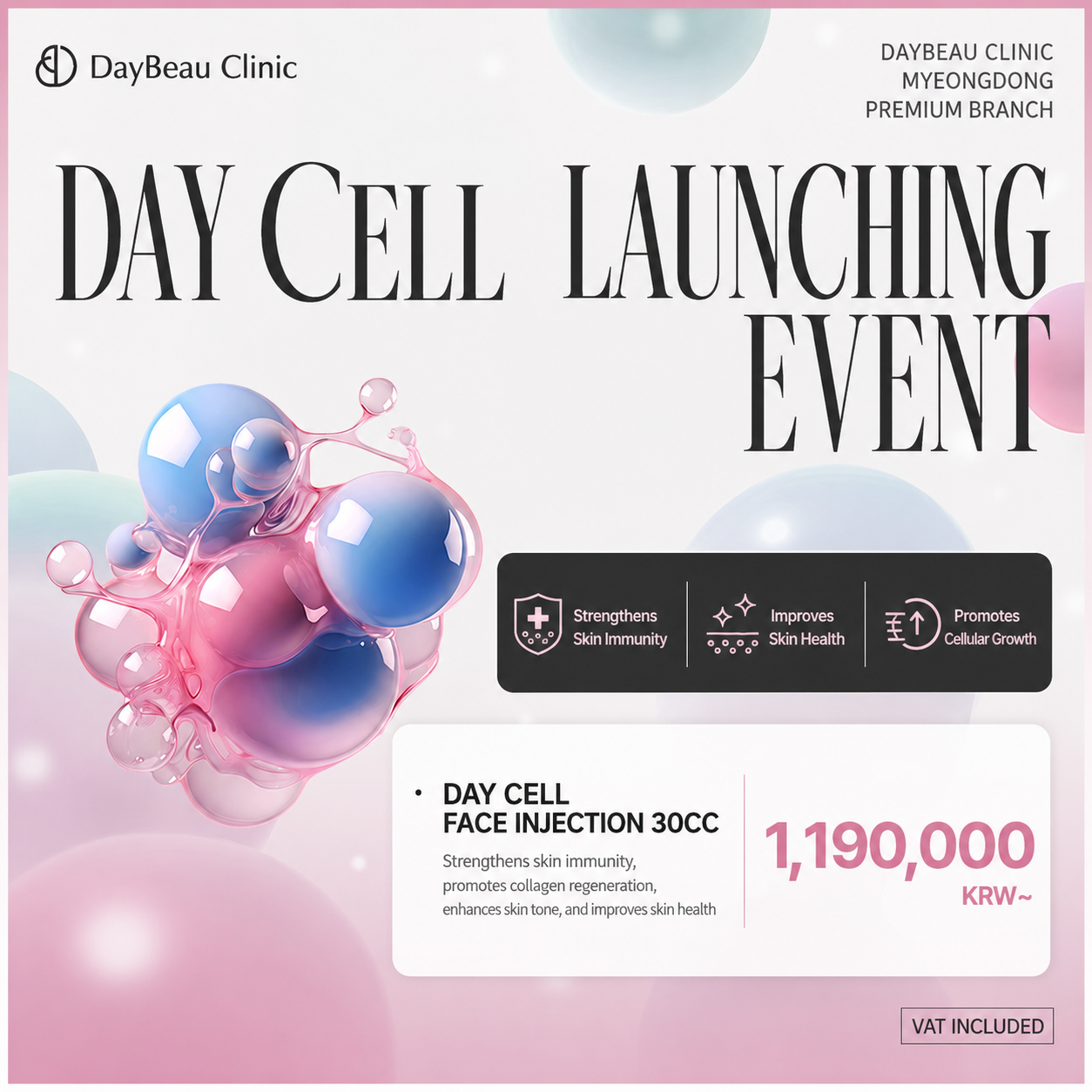
Collagen stimulators are injectable treatments designed to encourage the body's natural collagen production rather than simply adding volume.
Instead of acting as a gel filler, collagen stimulators gradually improve skin structure by stimulating collagen formation over time.
These treatments are commonly used for:
- Facial volume loss
- Skin laxity
- Overall facial rejuvenation
- Improved skin firmness
- Long-term structural support
Results develop gradually as new collagen forms beneath the skin.
Common Collagen Stimulators Available in Korea
Depending on the clinic and patient needs, collagen stimulators may include products designed to promote natural collagen production over time.
Your dermatologist will recommend the most appropriate product based on your treatment goals.
How Hyaluronic Acid Fillers Work
Hyaluronic acid fillers provide immediate structural support beneath the skin.
They help:
- Restore facial volume
- Smooth wrinkles
- Improve facial symmetry
- Enhance facial contours
- Hydrate the skin
Results are typically visible immediately after treatment, although mild swelling may temporarily affect the final appearance.
How Collagen Stimulators Work
Collagen stimulators work differently.
Rather than instantly restoring volume, they gradually encourage the body to produce new collagen.
Over time, this may improve:
- Skin firmness
- Facial structure
- Skin quality
- Volume loss
- Overall facial rejuvenation
The improvement develops progressively during the weeks and months following treatment.
Hyaluronic Acid Fillers vs Collagen Stimulators: Key Differences
Speed of Results
Hyaluronic acid fillers generally provide immediate improvement after treatment.
Collagen stimulators produce gradual improvement as collagen develops naturally.
Patients seeking immediate facial enhancement often prefer hyaluronic acid fillers.
Patients interested in progressive skin rejuvenation may benefit from collagen stimulation.
Treatment Goals
Hyaluronic acid fillers are commonly selected for:
- Lip enhancement
- Cheek augmentation
- Chin projection
- Jawline definition
- Smile lines
- Under-eye rejuvenation in selected patients
Collagen stimulators are more commonly used for:
- Overall facial rejuvenation
- Skin firmness
- Long-term collagen support
- Age-related facial volume loss
- Diffuse skin quality improvement
Common Treatment Areas
Lips
Hyaluronic acid fillers are commonly used for lip enhancement.
Collagen stimulators are generally not intended for lip augmentation.
Cheeks
Both treatments may improve cheek volume, although they achieve this through different mechanisms.
Jawline
Both may contribute to improved facial contours depending on the treatment plan.
Chin
Hyaluronic acid fillers are frequently used to enhance chin projection.
Collagen stimulators may improve surrounding facial support over time.
Smile Lines
Hyaluronic acid fillers often provide immediate improvement in facial folds.
Collagen stimulators may gradually improve skin quality around these areas.
Benefits of Hyaluronic Acid Fillers
Potential benefits include:
- Immediate results
- Facial contour enhancement
- Volume restoration
- Lip augmentation
- Wrinkle correction
- Natural-looking rejuvenation
Benefits of Collagen Stimulators
Potential benefits include:
- Gradual collagen production
- Improved skin firmness
- Long-term facial support
- Natural tissue regeneration
- Progressive skin rejuvenation
- Overall improvement in skin quality
Which Treatment Looks More Natural?
Both treatments can produce natural-looking results when performed by experienced cosmetic dermatologists.
Natural outcomes depend more on:
- Proper patient selection
- Injection technique
- Appropriate product choice
- Conservative treatment planning
Rather than the product itself.
Treatment Process
Initial Consultation
Before treatment, your physician reviews:
- Medical history
- Current medications
- Allergies
- Previous cosmetic procedures
- Facial concerns
- Desired cosmetic outcome
Facial Assessment
Your dermatologist evaluates:
- Skin quality
- Facial symmetry
- Volume loss
- Facial proportions
- Signs of aging
This helps determine whether hyaluronic acid fillers, collagen stimulators, or a combination approach is most appropriate.
Injection Procedure
Both treatments are performed during outpatient visits using fine needles or cannulas.
Treatment time depends on the number of areas being treated.
Recovery After Treatment
Most patients return to normal daily activities shortly after treatment.
Temporary side effects may include:
- Mild swelling
- Bruising
- Redness
- Tenderness
- Minor discomfort
Following aftercare instructions supports proper healing.
Cost Comparison in Korea
Treatment costs vary according to:
- Product selected
- Quantity required
- Treatment area
- Physician experience
- Clinic location
The total investment depends on your personalized treatment plan rather than the product category alone.
Selecting treatment based solely on price is generally not recommended.
How Long Do Results Last?
Treatment longevity depends on:
- Product type
- Treatment area
- Individual metabolism
- Lifestyle habits
Hyaluronic acid fillers and collagen stimulators have different durations of effect depending on the specific product used.
Your dermatologist can explain the expected maintenance schedule during your consultation.
Can Hyaluronic Acid Fillers and Collagen Stimulators Be Combined?
Yes.
Many patients benefit from combination treatment.
For example:
- Hyaluronic acid fillers may provide immediate facial contouring.
- Collagen stimulators may improve long-term skin quality.
- Together they may create balanced facial rejuvenation.
Combination treatment should always be planned by an experienced cosmetic physician.
Why International Patients Choose Korea
Many international patients visit Korea because of:
- Experienced cosmetic dermatologists
- Advanced injection techniques
- Modern aesthetic clinics
- Personalized treatment planning
- Access to advanced injectable treatments
The expertise of the injector is generally more important than choosing one product category over another.
Frequently Asked Questions
Which is better, hyaluronic acid fillers or collagen stimulators?
Neither treatment is universally better. Hyaluronic acid fillers provide immediate volume enhancement, while collagen stimulators gradually improve skin quality by encouraging natural collagen production. The best choice depends on your aesthetic goals.
Which treatment lasts longer?
Longevity varies depending on the specific product used, treatment area, and individual factors. Your dermatologist can explain the expected duration during your consultation.
Can tourists receive these treatments in Korea?
Yes. Many Korean dermatology clinics provide both hyaluronic acid fillers and collagen stimulators for international patients after a consultation and facial assessment.
Can both treatments be performed together?
Yes. Combination treatment is common when recommended by an experienced dermatologist to address different cosmetic concerns.
Common Mistakes to Avoid
Avoid these common mistakes:
- Choosing treatment based only on price
- Requesting a specific product without consultation
- Expecting identical results from different treatment types
- Ignoring aftercare instructions
- Expecting permanent results
- Scheduling treatment immediately before an important event or international flight
Final Thoughts
Hyaluronic acid fillers and collagen stimulators are both highly effective non-surgical facial rejuvenation treatments available throughout Korea. While hyaluronic acid fillers are typically chosen for immediate volume restoration and facial contouring, collagen stimulators are designed to gradually improve skin quality and stimulate natural collagen production over time. Neither option is universally superior, as each serves different aesthetic goals.
For international patients, the most important decision is selecting an experienced Korean dermatologist who can perform a comprehensive facial assessment and recommend the most appropriate treatment—or combination of treatments—for your individual needs. With expert planning, skilled injection techniques, and proper aftercare, both approaches can deliver safe, balanced, and natural-looking facial rejuvenation.