
Healthy Travel Guide to Korea for Visitors
Introduction
South Korea is one of Asia's most exciting travel destinations, offering a unique combination of modern cities, rich cultural heritage, beautiful mountains, coastal scenery, world-class healthcare, and exceptional food. Every year, millions of international visitors travel to Korea for tourism, business, education, wellness, and medical care. Whether you are visiting Seoul for a short holiday or planning an extended stay, maintaining your health while traveling helps you enjoy your trip safely and comfortably.
Healthy travel involves more than packing medications or purchasing travel insurance. It includes staying hydrated, eating balanced meals, adjusting to Korea's climate, preventing illness, understanding local healthcare services, practicing good hygiene, managing jet lag, and knowing where to seek medical assistance if needed. This guide explains practical health tips that can help international visitors stay healthy throughout their journey in South Korea.
Preparing Before Your Trip
Medical Checkup
If you have chronic medical conditions, consider visiting your healthcare provider before traveling.
Discuss:
- Current medications
- Vaccinations
- Travel plans
- Medical history
Your physician can provide individualized travel advice.
Travel Insurance
Comprehensive travel insurance may help cover unexpected medical expenses during your visit.
Review your policy carefully to understand:
- Emergency care
- Hospital coverage
- Medical evacuation
- Prescription medications
Packing for Healthy Travel
Prescription Medications
Bring enough medication for your entire trip.
Keep medications in their original labeled containers whenever possible.
Carry:
- Prescription copies
- Medical summary
- Physician contact information
Basic Health Supplies
Useful items include:
- Hand sanitizer
- Face masks
- Sunscreen
- Moisturizer
- Reusable water bottle
- Small first aid kit
Managing Jet Lag
Sleep Schedule
Jet lag commonly affects visitors traveling long distances.
To reduce symptoms:
- Adjust sleep gradually before departure
- Sleep according to local time after arrival
- Spend time outdoors during daylight
Hydration
Drink adequate water during flights and after arrival.
Limiting excessive alcohol and caffeine may also help.
Staying Hydrated
Daily Water Intake
Walking throughout Seoul and other cities often increases daily activity.
Carry a reusable water bottle and drink water regularly.
Summer Weather
During hot, humid months, fluid requirements may increase.
Monitor hydration, particularly during outdoor sightseeing.
Eating Healthy in Korea
Balanced Korean Cuisine
Traditional Korean meals commonly include:
- Vegetables
- Rice
- Fish
- Lean meats
- Fermented foods
- Soups
Many visitors find Korean cuisine naturally balanced.
Trying New Foods Carefully
When introducing unfamiliar foods:
- Start gradually
- Monitor food allergies
- Choose reputable restaurants
Food Safety
Restaurant Hygiene
Korea generally maintains high food safety standards.
Busy restaurants with frequent customer turnover are often good choices.
Street Food
Street food is popular and widely enjoyed.
Choose vendors with:
- Freshly prepared food
- Clean cooking areas
- High customer volume
Managing Food Allergies
Language Preparation
If you have food allergies:
- Carry translated allergy cards
- Learn important Korean allergy phrases
Communicate clearly before ordering food.
Emergency Medication
Carry emergency medication such as epinephrine if prescribed by your physician.
Exercise While Traveling
Walking
Walking is one of the easiest ways to remain active.
Many Korean cities feature:
- Parks
- Walking trails
- River pathways
Hotel Fitness Centers
Many hotels provide fitness facilities suitable for maintaining exercise routines.
Protecting Your Skin
Sun Protection
Ultraviolet exposure occurs year-round.
Use:
- Broad-spectrum sunscreen
- Hats
- Sunglasses
Reapply sunscreen throughout the day.
Moisturizing
Korea's winters can be dry.
Daily moisturizer helps maintain skin comfort.
Understanding Korea's Climate
Spring
Spring offers comfortable temperatures but may include seasonal pollen.
Summer
Summer is:
- Hot
- Humid
- Rainy
Stay hydrated and wear lightweight clothing.
Autumn
Autumn provides cool temperatures and comfortable sightseeing conditions.
Winter
Winter can be cold and dry.
Dress in layers and protect exposed skin.
Preventing Illness
Hand Hygiene
Wash hands regularly, especially:
- Before eating
- After public transportation
- After sightseeing
Hand sanitizer is useful when sinks are unavailable.
Respiratory Health
If feeling unwell:
- Wear a face mask
- Practice cough etiquette
- Seek medical care if symptoms worsen
Air Quality
Fine Dust
Seasonal fine dust may occasionally affect air quality.
Visitors sensitive to pollution may benefit from:
- Air quality monitoring apps
- High-quality face masks
- Indoor activities during poor air quality days
Healthcare Access
Hospitals
South Korea has an advanced healthcare system with:
- University hospitals
- General hospitals
- Private clinics
Many hospitals maintain International Patient Centers.
Pharmacies
Pharmacies are widely available and commonly provide over-the-counter medications.
Prescription medications require physician evaluation.
Emergency Medical Care
Emergency Number
Emergency medical assistance can be reached by dialing:
119
Ambulance services operate throughout Korea.
International Patient Services
Many hospitals provide:
- English-speaking coordinators
- Medical interpreters
- International patient departments
Managing Chronic Conditions
Diabetes
Monitor:
- Blood glucose
- Medication schedule
- Meal timing
Carry snacks when necessary.
Hypertension
Continue prescribed medications consistently throughout travel.
Asthma
Bring:
- Rescue inhalers
- Maintenance medications
Monitor air quality if sensitive.
Healthy Transportation
Public Transit
Korea's subway and bus systems are clean, efficient, and generally safe.
Walking between stations provides additional physical activity.
Taxi Services
Licensed taxis are widely available.
Ride-hailing applications are also commonly used.
Mental Wellbeing While Traveling
Avoid Over-Scheduling
Allow time for:
- Rest
- Relaxation
- Flexible sightseeing
Travel fatigue may develop when schedules become too demanding.
Mindfulness
Many visitors benefit from:
- Quiet parks
- Temple visits
- Nature walks
- Meditation
These activities support emotional wellbeing.
Healthy Shopping
Convenience Stores
Convenience stores offer:
- Water
- Fruit
- Yogurt
- Healthy snacks
These options are convenient during sightseeing.
Fresh Markets
Local markets provide access to fresh produce and traditional Korean foods.
Medical Tourism Visitors
Follow Physician Instructions
Patients visiting Korea for medical procedures should follow all treatment instructions provided by their healthcare team.
Recovery Planning
Schedule adequate recovery time before returning home.
Attend recommended follow-up appointments.
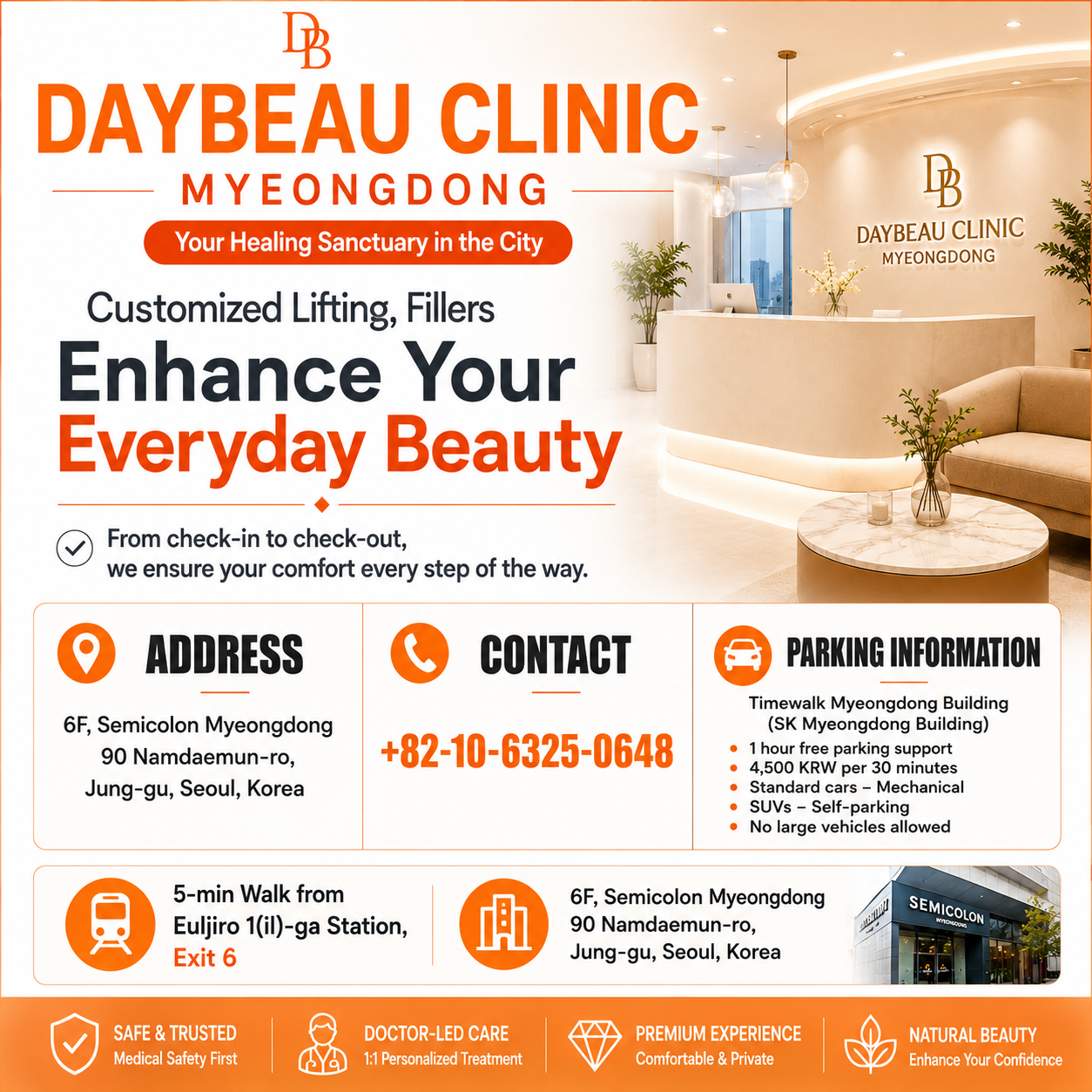
International Visitor Support
Many healthcare facilities assist with:
- Translation
- Appointment scheduling
- Transportation
- Medical documentation
These services simplify healthcare access for international visitors.
Frequently Asked Questions
Is Korea safe for international travelers?
South Korea is generally considered a safe destination with modern healthcare and well-developed public infrastructure.
Can tourists visit hospitals?
Yes. International visitors can receive care at hospitals and clinics throughout Korea.
Should I purchase travel insurance?
Comprehensive travel insurance is strongly recommended before international travel.
Can I drink tap water?
Tap water in Korea is generally considered safe, although many visitors prefer bottled or filtered water.
Final Thoughts
Maintaining good health while traveling allows visitors to enjoy everything South Korea has to offer, from vibrant cities and cultural attractions to wellness experiences and medical tourism. By preparing before departure, staying hydrated, eating balanced meals, protecting your skin, practicing good hygiene, and understanding how to access Korean healthcare services, travelers can significantly reduce many common travel-related health concerns.
Whether you are visiting Korea for sightseeing, business, education, wellness, or medical treatment, adopting healthy travel habits helps ensure a safer, more comfortable, and more enjoyable experience throughout your journey. South Korea's excellent healthcare infrastructure, preventive medicine philosophy, and visitor-friendly medical services make it one of the world's leading destinations for healthy international travel.