
Healthcare for Expats in Korea
Introduction
Moving to a new country involves many adjustments, and understanding the healthcare system is one of the most important steps for expats living abroad. South Korea is known for its advanced medical technology, highly trained doctors, modern hospitals, and efficient healthcare services. For foreigners living in Korea, accessing medical care is generally convenient once they understand how the system works.
Expats in Korea may need healthcare services for routine checkups, unexpected illnesses, specialist consultations, dental care, dermatology treatments, or ongoing medical needs. While the Korean healthcare system is considered one of the strongest in Asia, foreign residents may have questions about health insurance, hospitals, language support, medical costs, and how to make appointments.
This guide explains how healthcare works for expats in Korea, including insurance options, medical facilities, common healthcare services, and practical tips for navigating the system with confidence.
Understanding the Korean Healthcare System for Expats
South Korea operates a universal healthcare system supported by the National Health Insurance (NHI) program. Eligible residents, including many foreign residents, can access affordable medical services through this system.
The Korean healthcare system includes:
- Public health insurance
- Private hospitals
- University hospitals
- Local clinics
- Specialist centers
- Pharmacies
For expats, healthcare access depends on factors such as:
- Visa status
- Length of stay
- Employment situation
- Insurance enrollment
Once registered, many expats can receive medical treatment at reduced costs.
Do Expats Need Health Insurance in Korea?
Yes. Health insurance is an important part of living in Korea.
Many foreign residents who meet eligibility requirements must enroll in Korean National Health Insurance.
This includes many:
- Foreign workers
- Long-term residents
- International students
- Registered foreign residents
Health insurance helps reduce medical expenses by covering part of eligible healthcare costs.
Without insurance, expats may need to pay the full cost of medical services.
Korean National Health Insurance for Expats
The Korean National Health Insurance system provides healthcare benefits similar to those available to Korean citizens.
Expats with insurance can receive support for:
- Doctor consultations
- Hospital visits
- Medical examinations
- Prescription medications
- Certain treatments
- Preventive healthcare services
Insurance contributions are paid monthly, and the amount depends on individual circumstances and government regulations.
How Expats Enroll in Korean Health Insurance
Enrollment procedures vary depending on your situation.
Automatic Enrollment
Many expats are automatically registered after meeting eligibility requirements.
Information may be connected through:
- Immigration records
- Alien Registration Card details
- Residency information
Required Documents
Expats may need documents such as:
- Passport
- Alien Registration Card
- Visa information
- Residency documents
Requirements may differ depending on visa type.
Healthcare Facilities Available for Expats in Korea
Expats can choose from different healthcare facilities depending on their needs.
Local Clinics
Local clinics are commonly used for:
- Minor illnesses
- Cold symptoms
- Basic consultations
- Simple treatments
They are usually affordable and easy to access.
Private Clinics
Private clinics are popular among expats because they often provide:
- Specialized treatments
- Faster appointments
- Personalized consultations
Common private clinics include:
- Dermatology clinics
- Dental clinics
- Eye clinics
- Cosmetic medicine clinics
University Hospitals
University hospitals provide advanced medical care and specialized treatments.
They are suitable for:
- Complex conditions
- Surgery
- Advanced diagnosis
- Specialist consultations
Major hospitals in Seoul often have international healthcare centers for foreign patients.
International-Friendly Hospitals and Clinics
Language support is an important concern for many expats.
Fortunately, many healthcare providers in Korea offer international services.
These may include:
- English-speaking doctors
- Foreign patient coordinators
- Translation services
- Multilingual websites
- International appointment assistance
Large cities such as Seoul, Busan, and Incheon have more options for English-friendly healthcare.
Popular Healthcare Services Expats Use in Korea
Expats living in Korea commonly access various healthcare services.
General Medical Care
Common reasons for visiting doctors include:
- Flu symptoms
- Allergies
- Infections
- Digestive problems
- Minor injuries
- Regular health concerns
Health Screenings
Korea is well known for advanced health screening programs.
Expats can access:
- Blood tests
- Imaging examinations
- Preventive checkups
- General health evaluations
Health screenings are popular because they are efficient and comprehensive.
Dermatology and Skin Treatments
Korean dermatology is especially popular among expats.
Many foreigners visit Korean skin clinics for:
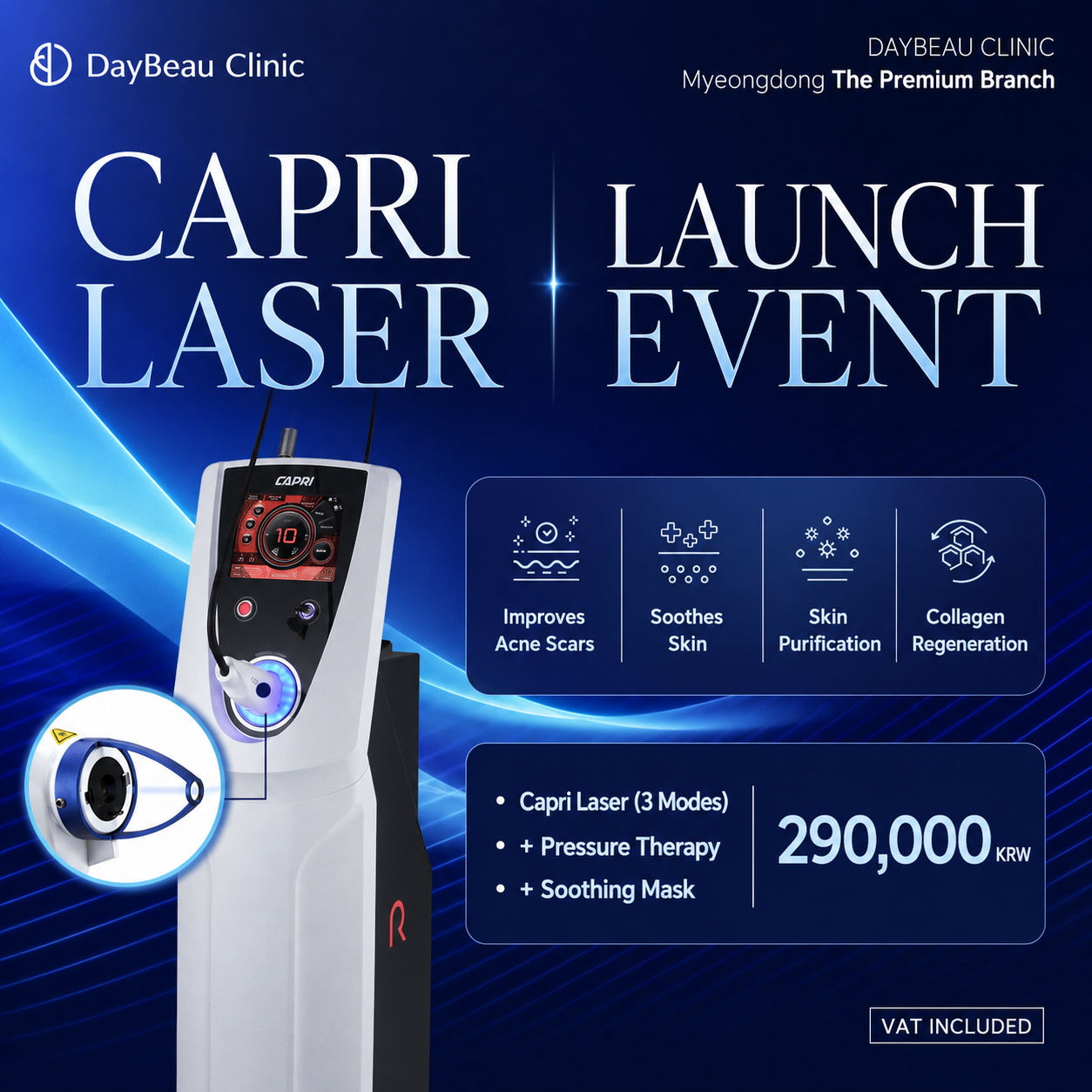
- Acne treatment
- Acne scar care
- Laser treatments
- Pigmentation management
- Skin rejuvenation
- Anti-aging procedures
Private dermatology clinics often provide customized treatment plans based on individual skin concerns.
Dental Care
Dental services in Korea are modern and widely available.
Expats can receive:
- Dental cleaning
- Tooth treatment
- Cosmetic dentistry
- Orthodontic consultations
Many dental clinics in major cities offer English support.
Healthcare Costs for Expats in Korea
Healthcare costs in Korea are generally affordable compared with many developed countries.
Costs depend on:
- Type of treatment
- Healthcare provider
- Insurance coverage
- Required tests
With National Health Insurance, expats usually pay only a portion of eligible medical expenses.
Common expenses include:
- Consultation fees
- Prescription costs
- Testing fees
- Treatment charges
Private cosmetic treatments are usually not covered by insurance.
Private Healthcare vs Public Healthcare for Expats
Both public and private healthcare options are available in Korea.
Public Healthcare
Advantages include:
- Lower costs
- Wide coverage
- Access to many hospitals and clinics
It is commonly used for essential medical care.
Private Healthcare
Advantages include:
- Faster appointments
- Specialized services
- More personalized care
Many expats choose private clinics for:
- Dermatology
- Cosmetic treatments
- Dental services
- Specialist consultations
How Expats Can Make Medical Appointments in Korea
Booking appointments in Korea is usually simple.
Expats can schedule visits through:
- Hospital websites
- Clinic websites
- Phone calls
- Online reservation systems
Before visiting, prepare:
- Alien Registration Card
- Insurance information
- Medical history
- Medication details
For specialized treatments, booking ahead is recommended.
Pharmacies and Medication in Korea
Pharmacies are easy to find throughout Korean cities.
Expats can purchase:
- Common medications
- Health products
- Personal care items
For prescription medications, a doctor’s consultation may be required.
Expats who take regular medication should check availability before moving or traveling.
Emergency Healthcare for Expats
Korea provides reliable emergency medical services.
Expats can access emergency departments at hospitals for:
- Serious injuries
- Accidents
- Severe allergic reactions
- Breathing problems
- Urgent medical conditions
Emergency services operate 24 hours a day.
Keeping important medical information available can help during emergencies.
Challenges Expats May Face in Korean Healthcare
Although Korea has excellent healthcare, expats may experience some difficulties.
Language Differences
Not every clinic has English-speaking staff.
Solutions include:
- Choosing international hospitals
- Using translation services
- Bringing Korean-speaking assistance when needed
Understanding Medical Procedures
Healthcare systems vary between countries.
Expats may need time to understand:
- Registration processes
- Appointment systems
- Payment procedures
Insurance Confusion
Understanding what is covered and what requires additional payment can be challenging.
Always confirm insurance coverage before treatment.
Tips for Expats Using Healthcare in Korea
Keep Your Medical Information Updated
Maintain records of:
- Previous treatments
- Allergies
- Medications
- Medical conditions
Find a Regular Clinic
Having a trusted healthcare provider makes future visits easier.
Use International Healthcare Services
Foreign-friendly facilities can improve communication and comfort.
Understand Your Insurance Benefits
Know:
- What services are covered
- Monthly payment requirements
- Additional costs
Ask Questions During Consultations
Doctors in Korea are generally professional and willing to explain treatment options.
Common Mistakes Expats Should Avoid
Waiting Until an Emergency Happens
Research healthcare options before you need them.
Ignoring Insurance Registration
Proper enrollment prevents unexpected medical expenses.
Choosing a Clinic Without Checking Language Support
Clear communication is important for safe treatment.
Assuming Cosmetic Treatments Are Covered
Most aesthetic procedures require private payment.
Not Keeping Medical Records
Medical history helps doctors provide better care.
Frequently Asked Questions
Can expats visit hospitals in Korea?
Yes. Expats can access hospitals, clinics, and specialist centers throughout Korea.
Is healthcare affordable for foreigners in Korea?
Yes. With National Health Insurance, many medical services become more affordable.
Do expats need Korean health insurance?
Many eligible foreign residents are required to enroll in the National Health Insurance system.
Are English-speaking doctors available in Korea?
Many large hospitals and international clinics provide English support.
Can expats receive dermatology treatments in Korea?
Yes. Korean dermatology clinics regularly treat foreign residents and international patients.
How do expats find healthcare providers in Korea?
Expats can search online, use international hospitals, or ask local communities for recommendations.
Conclusion
Healthcare for expats in Korea is accessible, advanced, and generally affordable. With a strong National Health Insurance system, modern hospitals, specialized clinics, and international patient services, foreign residents can confidently manage their healthcare needs while living in South Korea.
Understanding insurance requirements, choosing suitable healthcare providers, and preparing medical information can make the experience much easier. Whether you need routine medical care, emergency treatment, dental services, or Korean dermatology treatments, Korea offers high-quality healthcare options for expats.
With proper preparation and knowledge of the system, expats can enjoy a healthier and more comfortable life in Korea while taking advantage of one of Asia’s most advanced healthcare environments.