
Why Follow-Up Care Matters for Foreign Patients?
Introduction
For international patients traveling to South Korea for cosmetic dermatology and aesthetic treatments, the journey does not end when the procedure is completed. Follow-up care is an essential part of achieving a safe, comfortable, and well-managed treatment experience. Whether a patient receives laser treatments, skin boosters, injectables, or regenerative procedures, proper aftercare and communication can significantly influence the overall patient experience.
Foreign patients often face unique challenges when receiving treatment abroad, including language barriers, distance from their home country, and uncertainty about recovery. Korean dermatology clinics that provide structured follow-up support help international patients feel more confident by offering guidance, monitoring progress, and addressing concerns after treatment.
What Is Follow-Up Care in Cosmetic Dermatology?
Follow-up care refers to the support and medical guidance provided after a skin treatment or aesthetic procedure.
It may include:
- Recovery instructions
- Post-treatment skincare guidance
- Progress monitoring
- Additional consultations
- Managing temporary side effects
- Answering patient questions
The purpose of follow-up care is to ensure patients understand the recovery process and know what steps to take after leaving the clinic.
Why Follow-Up Care Is Especially Important for Foreign Patients
For local patients, returning to the clinic for questions or check-ups may be simple. However, international patients may return home shortly after treatment, making proper follow-up planning even more important.
Foreign patients benefit from follow-up care because it provides:
- Better communication after treatment
- Greater confidence during recovery
- Clear instructions for home care
- Professional support when concerns appear
- Continued connection with the medical team
A well-organized follow-up system helps create a smoother medical tourism experience.
The Importance of Recovery Guidance After Skin Treatments
Different cosmetic dermatology procedures require different recovery approaches.
Aftercare instructions may include:
- How to cleanse the skin
- When to restart skincare products
- Sun protection recommendations
- Activities to avoid
- Expected temporary reactions
Understanding these instructions helps international patients care for their skin properly after returning home.
Follow-Up Care After Laser Treatments
Laser procedures are popular among international visitors in Korea for concerns such as pigmentation, acne scars, and skin texture.
After laser treatments, follow-up guidance may involve:
- Managing redness or sensitivity
- Protecting treated areas from sunlight
- Using recommended skincare products
- Monitoring healing progress
Korean clinics often provide detailed instructions to help patients maintain proper skin care after laser procedures.
Follow-Up Care After Injectable Treatments
Injectable treatments such as Botox, fillers, and skin boosters may require monitoring after the procedure.
Follow-up support can help patients understand:
- Normal short-term reactions
- When results may become visible
- How to care for treated areas
- When additional assessment may be needed
Clear communication is especially valuable for patients who are traveling internationally.
Follow-Up Care After Regenerative and Skin Rejuvenation Treatments
Regenerative skin treatments and rejuvenation procedures often involve gradual improvements over time.
Follow-up care may focus on:
- Tracking skin changes
- Evaluating progress
- Adjusting skincare routines
- Planning future treatments if needed
A long-term approach helps patients better understand their treatment journey.
How Korean Clinics Support International Patients After Treatment
Many Korean dermatology clinics that serve foreign patients provide various forms of follow-up assistance.
Support may include:
- Online communication
- English-speaking coordinators
- Remote consultations
- Treatment progress updates
- Aftercare recommendations
These services help bridge the distance between patients and clinics after they return home.
The Role of Medical Coordinators in Follow-Up Care
Medical coordinators play an important role in helping international patients navigate post-treatment care.
They may assist with:
- Translating medical information
- Scheduling follow-up appointments
- Explaining recovery instructions
- Communicating patient concerns to doctors
For foreign visitors unfamiliar with the Korean healthcare system, this support can make the process much easier.
Why Communication Matters After Treatment
Effective communication is one of the most important parts of follow-up care.
International patients may have questions about:
- Skin reactions
- Recovery timelines
- Skincare products
- Treatment expectations
- Future maintenance
Having access to professional guidance helps patients avoid confusion and unnecessary worry.
How Technology Improves Follow-Up Care in Korea
Korean clinics increasingly use digital solutions to support international patients.
Technology may help provide:
- Online consultations
- Digital appointment systems
- Photo-based progress reviews
- Messaging support
These tools allow patients to stay connected with their healthcare providers even after leaving Korea.
Follow-Up Care Helps Manage Patient Expectations
Cosmetic treatments often require realistic expectations. Results may develop gradually, and every patient responds differently.
Follow-up consultations help doctors and patients:
- Review progress
- Understand healing stages
- Discuss realistic outcomes
- Adjust future skincare plans
This improves patient satisfaction and creates a more transparent treatment experience.
Why Korea’s Follow-Up Systems Support Medical Tourism Growth
South Korea’s medical tourism industry has grown because patients receive more than just advanced procedures.
A complete medical tourism experience includes:
- Professional consultation
- Safe treatment practices
- Clear aftercare instructions
- Ongoing patient support
Follow-up care demonstrates Korea’s commitment to international patient experience.
Follow-Up Care in Popular Korean Medical Tourism Areas
Many international patients visit Seoul areas known for advanced dermatology clinics.
Gangnam
Gangnam is a major medical tourism district with many aesthetic clinics offering international patient services and follow-up support.
Apgujeong and Cheongdam
These areas are known for premium cosmetic dermatology services and personalized patient care.
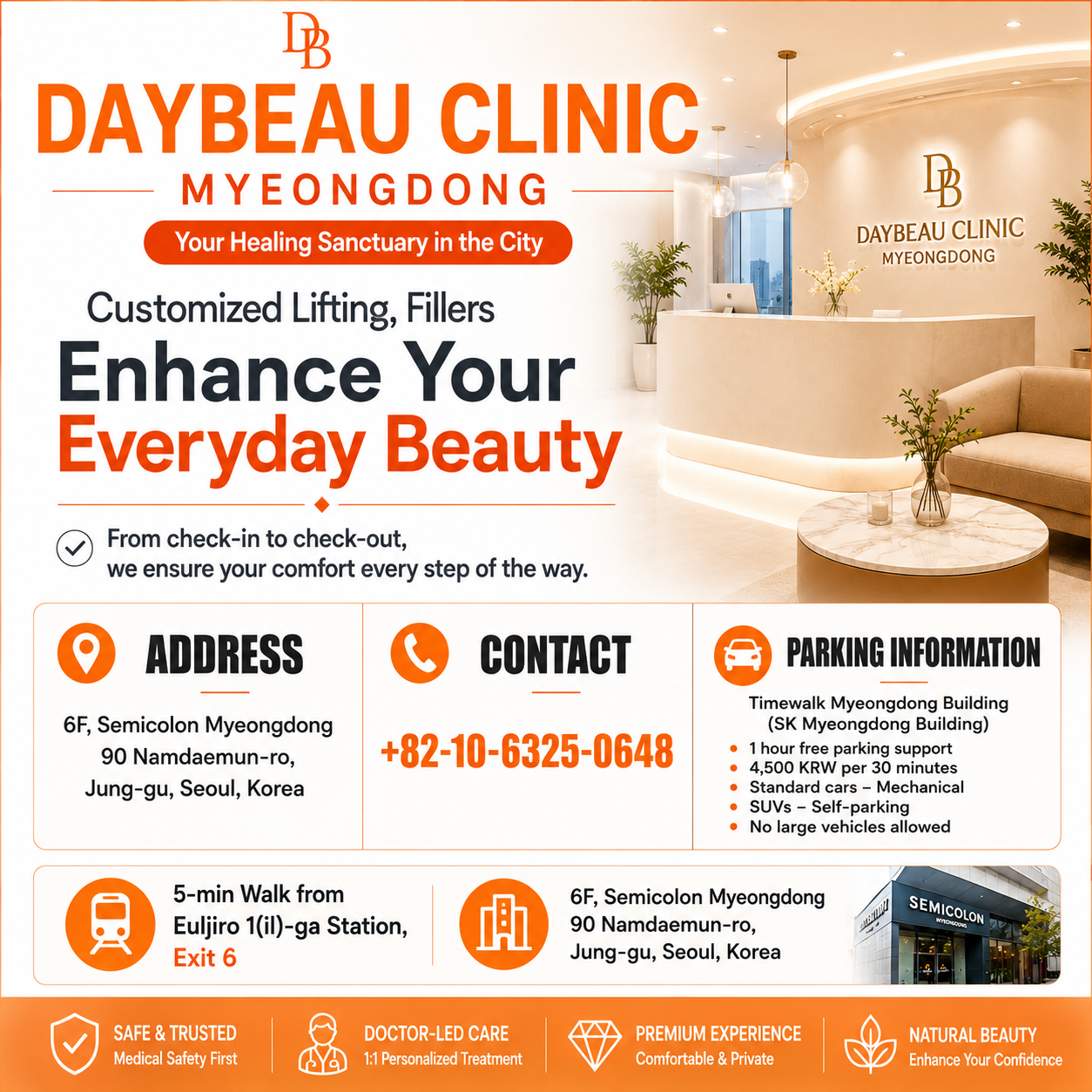
Myeongdong
Myeongdong is popular among foreign visitors because of its accessibility and tourist-friendly environment.
Tips for Foreign Patients After Skin Treatments in Korea
International patients can improve their recovery experience by:
- Following all doctor instructions carefully.
- Keeping communication with the clinic after returning home.
- Taking recommended skincare products.
- Avoiding unapproved treatments during recovery.
- Protecting skin from excessive sun exposure.
- Recording any unusual changes.
- Attending scheduled follow-ups.
Good aftercare habits help support a smoother recovery process.
Choosing a Korean Clinic With Strong Follow-Up Support
Before selecting a clinic, international patients should consider:
- Does the clinic provide foreign patient services?
- Is communication available after treatment?
- Are recovery instructions clearly explained?
- Does the clinic offer remote follow-up options?
- Are doctors available for progress evaluation?
A clinic’s commitment to aftercare is an important indicator of patient-focused service.
The Future of Follow-Up Care for International Patients
As medical tourism continues expanding, follow-up care is expected to become even more personalized.
Future developments may include:
- AI-supported progress monitoring
- Virtual dermatology consultations
- Digital skincare tracking
- More customized international patient programs
These improvements will continue making overseas aesthetic treatments safer and more convenient.
Frequently Asked Questions
1. Why is follow-up care important for foreign patients?
Follow-up care helps international patients manage recovery, understand treatment progress, and receive professional guidance after returning home.
2. Do Korean skin clinics provide follow-up support for international patients?
Many Korean clinics offer follow-up services such as online communication, aftercare guidance, and progress consultations.
3. What happens during a follow-up consultation?
Doctors may review recovery progress, answer questions, and provide additional skincare or treatment recommendations.
4. Why do foreign patients need extra aftercare support?
International patients may face language barriers, travel distance, and difficulty accessing the clinic after returning home.
5. Can follow-up care be done remotely after leaving Korea?
Many clinics provide online communication options for international patients who have returned to their home countries.
6. Does follow-up care improve treatment results?
Proper aftercare helps patients follow recovery instructions and better manage expectations during the healing process.
7. What should foreign patients ask before treatment in Korea?
Patients should ask about recovery time, aftercare instructions, communication options, and follow-up support.
8. Why is Korea popular for medical tourism aftercare services?
Korea focuses on complete patient experiences, including consultation, treatment, recovery guidance, and international support.
Conclusion
Follow-up care is a crucial part of the medical tourism experience for foreign patients receiving skin treatments in South Korea. It provides reassurance, professional guidance, and continued communication after procedures, helping patients feel supported throughout their recovery journey.
For international patients choosing Korea for cosmetic dermatology, selecting a clinic that offers strong follow-up support is just as important as choosing advanced treatments. Korea’s focus on patient-centered care, technology, and international services continues to make it a trusted destination for global aesthetic patients.