
Why Follow-Up Visits Are Important After Cosmetic Procedures
Introduction
Cosmetic dermatology treatments have become increasingly popular among international patients visiting South Korea. Procedures such as Pico Laser, Rejuran, RF Microneedling, Botox, dermal fillers, skin boosters, Thermage FLX, Ultherapy, acne scar treatments, and pigmentation correction are performed every day in Korean skin clinics using advanced techniques and modern technology.
Many patients believe that once the treatment is finished, the process is complete. However, professional cosmetic care does not end when you leave the treatment room. Follow-up visits are an important part of cosmetic dermatology because they allow your dermatologist to monitor healing, evaluate results, answer questions, and determine whether additional treatment or adjustments are needed.
Whether you are a local resident, an expat, or an international medical tourist, understanding the value of follow-up appointments can help you achieve safer procedures, better long-term outcomes, and greater confidence in your treatment journey.
This guide explains why follow-up visits matter after cosmetic procedures and how they contribute to successful skin treatment results.
What Is a Follow-Up Visit?
A Post-Treatment Evaluation
A follow-up appointment is a scheduled visit after your cosmetic procedure where your dermatologist checks:
- Skin healing
- Treatment progress
- Early results
- Possible side effects
- Recovery process
It is part of responsible cosmetic care rather than an optional extra.
Personalized Recovery Monitoring
Every patient's skin responds differently.
Follow-up visits allow dermatologists to monitor your individual healing rather than relying on general recovery timelines.
Why Follow-Up Visits Are Important
Monitor Healing
Recovery Continues After Treatment
Many cosmetic procedures continue working long after the appointment ends.
Examples include:
- Collagen stimulation
- Skin remodeling
- Pigment breakdown
- Tissue healing
Your dermatologist can evaluate whether recovery is progressing normally.
Identify Problems Early
Early Detection Matters
Although cosmetic dermatology procedures are generally safe, occasional issues may occur.
Follow-up visits help identify concerns such as:
- Delayed healing
- Excessive swelling
- Infection
- Unusual skin reactions
Early evaluation allows prompt management if necessary.
Evaluate Treatment Results
Results Develop Gradually
Not Every Procedure Shows Immediate Improvement
Many treatments require time before visible improvements appear.
Examples include:
- Rejuran
- RF Microneedling
- Thermage FLX
- Ultherapy
Your dermatologist evaluates whether the treatment is progressing as expected.
Compare Before-and-After Progress
Professional Assessment Is More Accurate
Clinics may compare:
- Clinical photographs
- Skin analysis
- Treatment response
to objectively evaluate improvement.
Determine Whether Additional Sessions Are Needed
Many Cosmetic Treatments Require Multiple Visits
Long-Term Plans Produce Better Results
Some concerns require several sessions, including:
- Acne scars
- Pigmentation
- Skin rejuvenation
- Pore improvement
Your dermatologist determines whether further treatment is beneficial.
Adjust the Treatment Plan
Personalized Care Continues
Depending on your response, the dermatologist may recommend:
- Additional sessions
- Different technologies
- Combination treatments
- Maintenance procedures
This ensures treatment remains individualized.
Review Your Aftercare Routine
Confirm Proper Recovery
Patients Often Have Questions
During follow-up visits, you can discuss:
- Sunscreen
- Skincare products
- Makeup
- Exercise
- Flying
- Daily activities
Your dermatologist can modify recommendations if necessary.
Improve Long-Term Results
Maintenance Is Part of Cosmetic Care
Skin Continues to Change
Even after successful treatment:
- Aging continues
- Sun exposure affects skin
- Lifestyle influences results
Follow-up visits help plan maintenance for longer-lasting improvements.
Follow-Up After Popular Cosmetic Procedures
Botox
Evaluate Muscle Relaxation
Your dermatologist checks:
- Symmetry
- Wrinkle improvement
- Natural facial movement
Occasionally, minor adjustments may be recommended.
Dermal Fillers
Assess Volume and Balance
Follow-up evaluation focuses on:
- Facial contour
- Symmetry
- Healing
- Overall appearance
Rejuran Skin Booster
Skin Regeneration Takes Time
Because Rejuran stimulates gradual improvement, follow-up visits help evaluate:
- Skin quality
- Elasticity
- Hydration
- Overall response
Pico Laser
Monitor Pigmentation Improvement
Your dermatologist checks:
- Pigment fading
- Skin tone
- Healing
- Need for additional sessions
RF Microneedling
Collagen Remodeling Continues
Recovery and collagen production develop gradually.
Follow-up appointments evaluate long-term improvement.
Thermage FLX
Skin Tightening Progress
Thermage results continue developing over time.
Your dermatologist assesses:
- Skin firmness
- Contour
- Treatment effectiveness
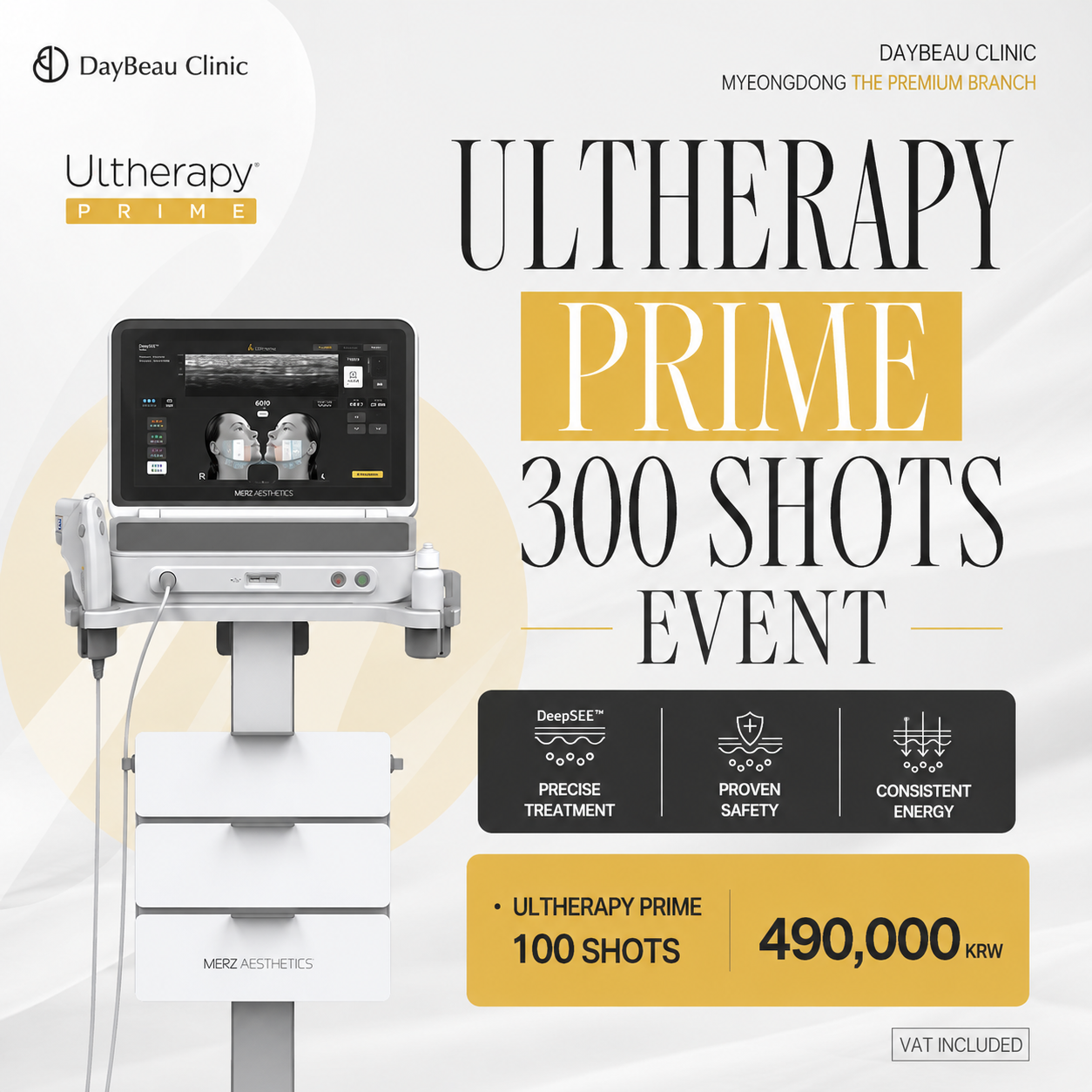
Ultherapy
Long-Term Collagen Production
Because Ultherapy stimulates deeper collagen remodeling, follow-up visits help monitor gradual improvement.
Benefits for International Patients
Better Communication
Ask Questions After Recovery Begins
Patients often think of new questions after leaving the clinic.
Follow-up appointments allow discussion of:
- Recovery
- Results
- Future treatments
Remote Follow-Up Options
Some Clinics Offer Online Support
International patients may receive:
- Email follow-up
- Messaging support
- Virtual consultations
- Photo assessments
depending on clinic policies.
Better Future Treatment Planning
Your Next Visit Becomes Easier
If you return to Korea later, follow-up records help the dermatologist continue personalized care.
Common Mistakes Patients Make
Skipping Follow-Up Visits
Feeling Fine Does Not Always Mean Everything Is Complete
Even when recovery appears normal, professional evaluation remains valuable.
Assuming Results Are Final Too Early
Some Improvements Continue Developing
Patients may incorrectly judge treatment success before the full recovery period has passed.
Ignoring Small Concerns
Minor Questions Should Still Be Discussed
Even small issues are worth mentioning during follow-up visits.
Not Keeping Treatment Records
Documentation Helps Future Care
Maintaining records supports future treatment planning.
Questions to Ask During Your Follow-Up Visit
Are My Results Progressing Normally?
Ask whether healing matches expectations.
Do I Need More Sessions?
Some concerns require gradual improvement through multiple treatments.
Can I Restart My Normal Skincare Routine?
Discuss:
- Retinoids
- Acids
- Exfoliation
- Active ingredients
Should I Schedule Maintenance?
Ask whether maintenance treatments are recommended.
Frequently Asked Questions
Are follow-up visits necessary after cosmetic procedures?
Yes. They help monitor healing, evaluate results, and determine whether additional treatment is needed.
Do all Korean skin treatments require follow-up?
Many cosmetic procedures benefit from follow-up evaluation, although recommendations vary depending on the treatment.
What happens during a follow-up appointment?
Your dermatologist examines your skin, evaluates recovery, discusses results, and answers your questions.
Can international patients receive remote follow-up?
Some Korean clinics provide online follow-up support for international patients after they return home.
Will follow-up visits improve my treatment results?
Professional monitoring helps ensure your recovery stays on track and supports long-term treatment success.
Conclusion
Follow-up visits are an essential part of cosmetic dermatology rather than an optional step after treatment. They allow Korean dermatologists to monitor healing, evaluate your progress, answer recovery questions, and adjust future treatment plans when necessary.
For international patients especially, maintaining communication with your clinic after treatment helps ensure safer recovery, better long-term outcomes, and greater confidence in your cosmetic journey. By attending recommended follow-up appointments—or using remote follow-up options when available—you can maximize the benefits of your Korean cosmetic procedures while protecting your skin throughout the recovery process.