
How To Fly Home After Ultherapy in Seoul: Travel Advice
Introduction
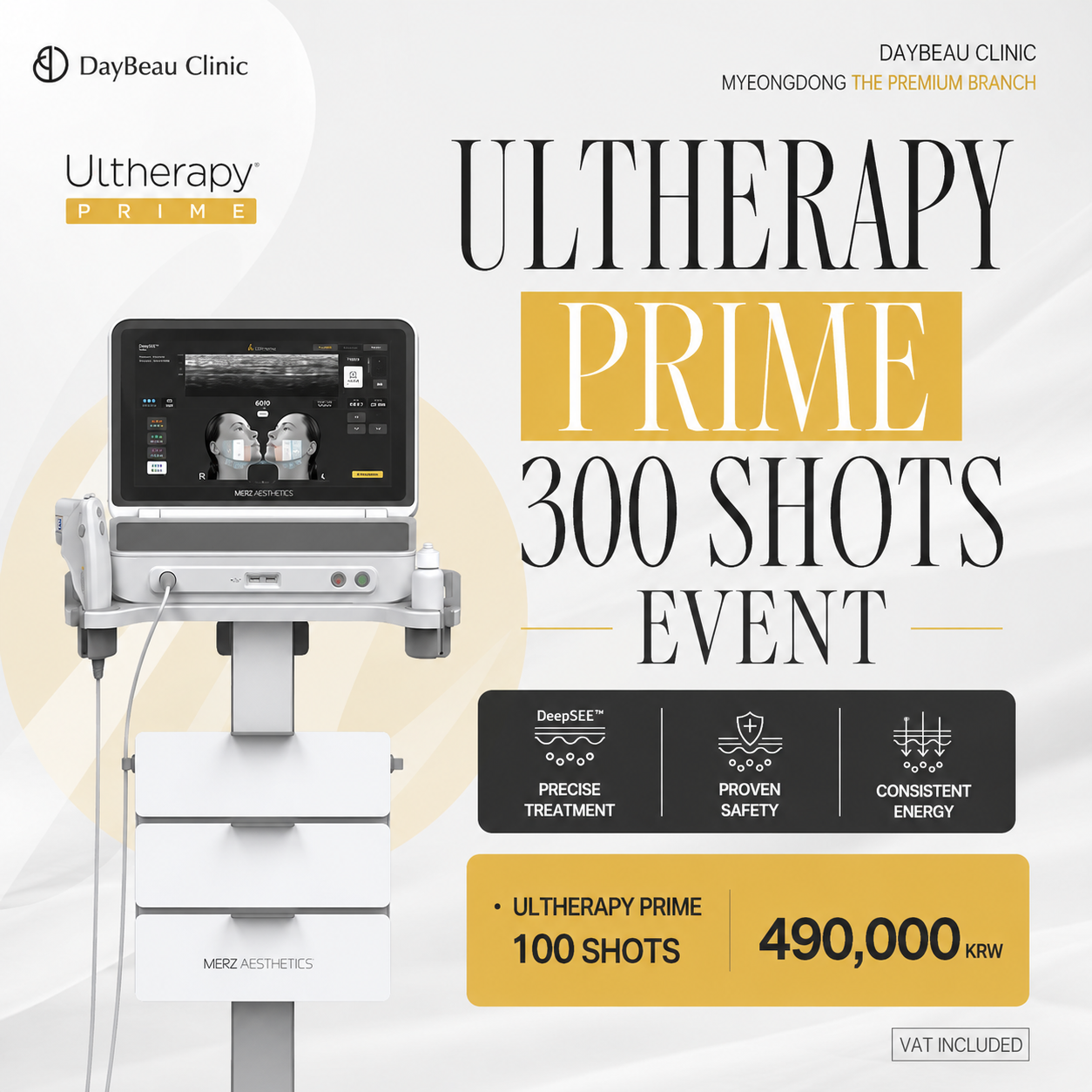
Ultherapy is one of the most popular non-surgical skin tightening treatments available in South Korea. Every year, thousands of international patients visit Seoul to receive this advanced procedure because it delivers gradual lifting and tightening without surgery, injections, or lengthy downtime. The treatment uses focused ultrasound energy to stimulate collagen production deep beneath the skin, improving firmness around the face, jawline, neck, and brow over several months.
Many medical tourists schedule Ultherapy near the end of their trip because they can usually return to their normal activities shortly after treatment. However, one question frequently asked by overseas visitors is whether it is safe to board a flight after the procedure. While air travel is generally considered safe following Ultherapy, taking proper precautions before, during, and after your flight helps minimize discomfort and supports the healing process.
This guide explains everything international patients should know about flying home after Ultherapy in Seoul, including the best time to travel, recommended skincare, travel preparation, recovery tips, and warning signs that should not be ignored.
Can You Fly After Ultherapy?
Ultherapy Is a Non-Invasive Treatment
Ultherapy is a non-surgical procedure that tightens the skin without making incisions or damaging the outer surface. Instead of cutting or removing skin, focused ultrasound energy reaches the deeper structural layers where collagen is naturally produced. This stimulates the body's own healing response while allowing patients to resume most normal activities immediately.
Because there are no stitches, surgical wounds, or extended recovery periods, Ultherapy is especially suitable for international travelers who want cosmetic improvement without interrupting their travel schedule. Most patients leave the clinic shortly after the procedure and continue their day with only minor temporary side effects.
Air Travel Does Not Affect Treatment Results
Many patients worry that airplane cabin pressure or changes in altitude might interfere with their treatment. Fortunately, there is no medical evidence suggesting that commercial air travel reduces the effectiveness of Ultherapy or interrupts collagen production.
Once the ultrasound energy has been delivered, the skin naturally continues rebuilding collagen over the next two to six months. This biological process occurs gradually regardless of whether you are traveling internationally or relaxing at home.
Most Side Effects Are Temporary
Following treatment, patients commonly experience mild redness, slight swelling, tenderness, or a temporary sensation of tightness. These reactions are considered normal and are usually signs that the skin has responded to the treatment.
Most of these symptoms improve within a few hours or a few days. They rarely interfere with air travel, especially if patients follow their dermatologist's aftercare recommendations.
Follow Your Dermatologist's Recommendations
Although Ultherapy has minimal downtime, every patient heals differently. Age, skin sensitivity, treatment intensity, and combination procedures all influence recovery.
Your Korean dermatologist will recommend the safest travel schedule based on your individual treatment. Following these instructions is the best way to protect your results while avoiding unnecessary discomfort during your journey.
When Is the Best Time to Fly?
Flying Home on the Same Day
Many healthy patients are medically able to fly home on the same day as their Ultherapy treatment. Since there is no surgery or anesthesia involved, same-day travel is often considered safe.
If possible, allow several hours between your appointment and your flight. This gives your skin time to settle and provides an opportunity to contact your dermatologist if you have any immediate questions.
Waiting Until the Following Day
If your travel schedule is flexible, leaving the next day is often the most comfortable choice. Temporary redness and tenderness usually improve overnight, making long-distance travel more pleasant.
An additional day also gives your dermatologist the opportunity to evaluate your recovery if a follow-up appointment has been scheduled.
Combination Treatments May Require Extra Time
Many international patients combine Ultherapy with Botox, dermal fillers, Rejuran, laser treatments, skin boosters, or Thermage.
Although Ultherapy itself has minimal downtime, the additional procedure may require extra healing time. Your dermatologist will advise you if postponing your flight is recommended.
Attend Recommended Follow-Up Visits
Some Korean clinics recommend a brief follow-up appointment before international patients leave Korea.
This visit allows the dermatologist to assess your skin, answer questions, and confirm that recovery is progressing normally before your flight home.
What Can You Expect Before Your Flight?
Mild Redness
Slight redness immediately after treatment is completely normal. It develops because the ultrasound energy stimulates deeper tissues beneath the skin.
For most patients, redness fades within several hours and is usually mild enough that other people may not notice it.
Temporary Swelling
Some patients experience mild swelling around the cheeks, jawline, or neck.
The swelling is generally minimal and gradually decreases over the following few days without requiring special treatment.
Tenderness
Your skin may feel sensitive when touched, particularly over the treated areas.
This tenderness reflects the body's natural healing response and usually becomes less noticeable each day.
Tightness or Tingling
Many patients notice a temporary sensation of skin tightening or occasional tingling.
These sensations are considered a normal response to collagen stimulation and gradually improve as healing continues.
How Should You Prepare Your Skin Before Flying?
Cleanse Your Face Gently
Wash your face using a gentle cleanser that is free from fragrances, alcohol, and harsh exfoliating ingredients. Gentle cleansing removes dirt and oil without irritating sensitive skin.
Avoid facial scrubs, cleansing brushes, or aggressive exfoliation until your dermatologist confirms your skin has recovered.
Keep Your Skin Well Moisturized
Cabin air is significantly drier than normal indoor environments. Dry air may temporarily make your skin feel tight or uncomfortable during long flights.
Applying a gentle moisturizer before boarding and reapplying it if needed helps support your skin barrier and reduces dryness throughout your journey.
Wear Broad-Spectrum Sunscreen
Sun protection remains one of the most important parts of post-treatment skincare. Although Ultherapy does not remove the skin's surface like some laser procedures, protecting your collagen from UV damage is still essential.
Apply a broad-spectrum sunscreen with SPF 30 or higher before going outdoors if approved by your dermatologist.
Avoid Strong Active Ingredients
Avoid using retinoids, exfoliating acids, harsh toners, or facial scrubs during the early recovery period.
Keeping your skincare routine simple reduces irritation and allows your skin to recover comfortably.
Staying Comfortable During Your Flight
Stay Hydrated
Drinking plenty of water before and during your flight supports healthy skin recovery. Hydration also helps counteract the dry air commonly found inside airplane cabins.
Carrying a reusable water bottle and drinking regularly throughout your journey is one of the easiest ways to improve travel comfort.
Limit Alcohol and Caffeine
Alcohol and excessive caffeine can contribute to dehydration, which may temporarily worsen skin dryness.
Choosing water or electrolyte-rich beverages instead helps maintain hydration throughout your journey.
Avoid Touching Your Face
Repeatedly touching treated skin may increase irritation or expose the area to bacteria.
If you need to apply moisturizer or sunscreen during your trip, wash or sanitize your hands first.
Get Enough Rest
Long flights can be physically tiring. Getting enough sleep allows your body to continue its natural healing process and supports collagen production after Ultherapy.
A well-rested body generally recovers more efficiently than one affected by travel fatigue.
Activities to Avoid After Returning Home
Delay Intense Exercise
Vigorous exercise increases body temperature and blood circulation, which may temporarily increase redness or swelling.
Most dermatologists recommend waiting at least 24 to 48 hours before returning to strenuous workouts, unless advised otherwise.
Avoid Excessive Heat
Hot baths, saunas, steam rooms, and hot yoga may temporarily increase skin sensitivity during early recovery.
Waiting several days before exposing your skin to excessive heat helps reduce unnecessary irritation.
Continue Daily Sun Protection
Ultraviolet exposure accelerates collagen breakdown and may reduce the long-term benefits of your treatment.
Continue applying sunscreen daily and wear protective clothing whenever spending extended periods outdoors.
Maintain a Gentle Skincare Routine
Continue using only gentle cleansers, moisturizers, and dermatologist-approved skincare products until your skin feels completely comfortable.
Avoid introducing new skincare products immediately after treatment.
Travel Tips for International Patients
Schedule Treatment Before Your Departure
Whenever possible, book your Ultherapy appointment several days before leaving Korea.
This provides additional recovery time and allows you to attend follow-up appointments if necessary.
Pack Essential Skincare Products
Carry your moisturizer, sunscreen, cleanser, prescription creams, and medications in your hand luggage.
Keeping these products with you makes it easier to continue your recovery routine throughout your journey.
Save Your Clinic's Contact Information
Before leaving Korea, save your clinic's phone number, email address, and messaging application details.
Many Seoul dermatology clinics offer support to international patients even after they return home.
Ask About Virtual Follow-Up
Online follow-up consultations have become increasingly common.
Virtual appointments allow your dermatologist to monitor your recovery, answer questions, and provide additional recommendations without requiring another trip to Korea.
Warning Signs That Require Medical Attention
Severe or Worsening Pain
Ultherapy should not cause severe or progressively worsening pain.
If discomfort becomes significantly worse instead of gradually improving, contact your dermatologist promptly.
Persistent Swelling
Mild swelling is expected after treatment. However, swelling that becomes more severe or lasts much longer than expected should be evaluated.
Signs of Infection
Although infection is extremely uncommon after Ultherapy, symptoms such as fever, pus, spreading redness, warmth, or increasing tenderness require immediate medical attention.
Unusual Skin Changes
Blistering, severe burns, prolonged numbness, or significant discoloration should be assessed by your dermatologist as soon as possible.
Frequently Asked Questions
Can I Fly Home Immediately After Ultherapy?
Yes. Most healthy patients can safely travel on the same day after treatment if their dermatologist approves. Waiting until the following day may provide additional comfort, especially for long international flights.
Will Flying Affect My Ultherapy Results?
No. Commercial airplane cabin pressure does not interfere with collagen production or reduce the long-term effectiveness of Ultherapy.
Can I Wear Makeup During My Flight?
If your dermatologist approves and your skin feels comfortable, light makeup is generally acceptable. However, many patients prefer to keep their skin clean and moisturized during the first day after treatment.
Should I Continue Aftercare After Returning Home?
Yes. Continue using sunscreen daily, follow your dermatologist's skincare recommendations, attend virtual follow-up appointments if available, and avoid activities that may irritate your skin until recovery is complete.
Conclusion
Flying home after Ultherapy in Seoul is safe for most healthy international patients because the procedure is non-invasive and requires minimal downtime. Air travel does not interfere with collagen production or reduce treatment effectiveness. By following your Korean dermatologist's aftercare instructions, staying hydrated, protecting your skin from sun exposure, maintaining a gentle skincare routine, and allowing your body adequate rest, you can travel comfortably while supporting the natural healing process. Careful planning before your departure will help you maximize the long-term skin-tightening benefits of your Ultherapy treatment and return home with confidence.