
First-Time Guide to Medical Tourism in Seoul
Introduction
Seoul has established itself as one of the world's premier destinations for medical tourism, attracting hundreds of thousands of international patients each year for high-quality healthcare services. From advanced dermatology and cosmetic treatments to plastic surgery, dental care, and comprehensive health screenings, the city offers access to experienced specialists, modern medical technology, and internationally recognized healthcare facilities. These strengths have made South Korea a trusted choice for patients seeking both medical excellence and a comfortable travel experience.
If this is your first time considering medical tourism in Seoul, you may have questions about selecting the right clinic, understanding treatment costs, arranging transportation, communicating with healthcare providers, and planning your recovery. Preparing in advance can help reduce uncertainty and ensure a smoother journey. This guide explains everything first-time visitors should know before traveling to Seoul for medical treatment, from pre-trip planning to post-treatment care.
Why Seoul Is One of the Top Medical Tourism Destinations
Seoul has earned a global reputation for combining advanced healthcare with continuous medical innovation. Many hospitals and specialty clinics invest heavily in modern diagnostic equipment, laser technologies, minimally invasive procedures, and digital healthcare systems. This commitment to innovation allows physicians to offer a broad range of evidence-based treatments tailored to each patient's individual needs.
The city's healthcare infrastructure also contributes to its popularity. International patients benefit from efficient public transportation, modern accommodation options, excellent airport connectivity, and specialized international patient centers that simplify the treatment process. Many hospitals and clinics also provide multilingual support, making communication easier for visitors from around the world.
Why International Patients Choose Seoul
Several factors continue to attract patients from overseas who are looking for high-quality medical care.
Common reasons include:
- Experienced medical specialists
- Advanced dermatology and aesthetic technologies
- Modern hospitals and private clinics
- Competitive treatment costs
- Comprehensive health screening programs
- Efficient appointment scheduling
- Personalized treatment plans
- High standards of patient safety
- Convenient transportation throughout Seoul
- English-speaking coordinators at many clinics
These advantages allow patients to receive specialized care while enjoying the convenience of traveling in one of Asia's most modern cities.
Popular Medical Treatments
Seoul offers healthcare services across numerous medical specialties. Dermatology and cosmetic medicine remain among the most popular reasons for international travel, but many visitors also seek preventive healthcare and surgical procedures.
Frequently requested treatments include:
- Acne treatment
- Acne scar revision
- Pico laser treatment
- Pigmentation removal
- Botox injections
- Dermal fillers
- Rejuran skin rejuvenation
- Skin booster injections
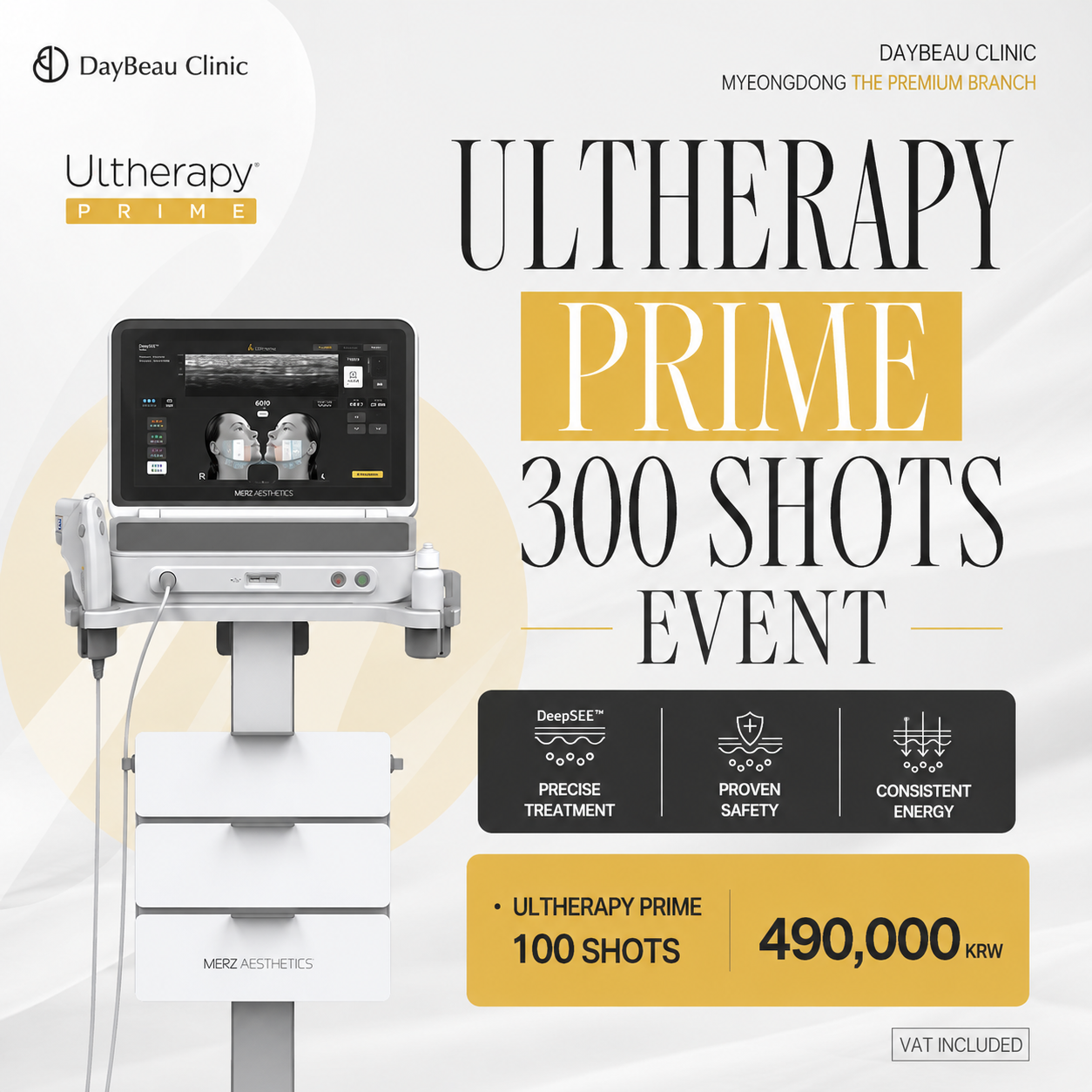
- Ultherapy
- Thermage
- Hair transplantation
- Double eyelid surgery
- Rhinoplasty
- Liposuction
- Dental implants
- Teeth whitening
- Comprehensive medical checkups
- Eye examinations and vision correction
Many clinics provide customized treatment plans that combine multiple procedures when medically appropriate.
Is Medical Tourism Right for You?
Medical tourism can be an excellent option for patients seeking specialized care, but it is important to determine whether traveling abroad is appropriate for your individual circumstances.
You may be a suitable candidate if you:
- Have realistic treatment expectations
- Are generally in good health
- Can remain in Korea for follow-up care
- Understand the recovery process
- Have researched your chosen clinic carefully
- Can comfortably manage travel expenses
Medical tourism may not be appropriate for emergency medical conditions or patients who require continuous long-term postoperative care after returning home.
Choosing the Right Clinic
Selecting a qualified healthcare provider is one of the most important decisions during your medical tourism journey. Rather than focusing only on price, evaluate each clinic's qualifications, experience, technology, and patient support services.
Consider the following when comparing clinics:
- Board-certified physicians
- Clinical experience
- Hospital or clinic reputation
- Available treatment technologies
- International patient services
- English-speaking staff
- Transparent pricing
- Infection control standards
- Online consultation availability
- Follow-up care policies
Reading verified patient reviews and scheduling an initial consultation can help you make a more informed decision.
Questions to Ask Before Booking
Before confirming treatment, prepare a list of questions for your physician or patient coordinator.
Important questions include:
- Am I a good candidate for this treatment?
- What alternatives are available?
- What results should I realistically expect?
- What risks and complications are possible?
- How many treatment sessions will I need?
- How long is recovery?
- When can I safely fly home?
- Are follow-up appointments necessary?
- What happens if complications occur after returning home?
- What is included in the treatment cost?
Clear communication before traveling helps reduce misunderstandings later.
Preparing Before Your Trip
Good preparation can make your medical journey significantly easier.
Before traveling to Seoul:
- Schedule consultations in advance.
- Confirm treatment costs.
- Book accommodation near your clinic.
- Purchase travel insurance if appropriate.
- Prepare copies of your medical records.
- Bring prescription medications.
- Pack comfortable clothing.
- Allow additional recovery time.
- Check passport validity.
- Review airline baggage policies.
Patients planning multiple procedures should discuss scheduling carefully with their physician before arrival.
Understanding Treatment Costs
Treatment prices vary depending on the clinic, physician experience, technology used, treatment complexity, and the number of sessions required.
Below are approximate price ranges for common dermatology procedures.
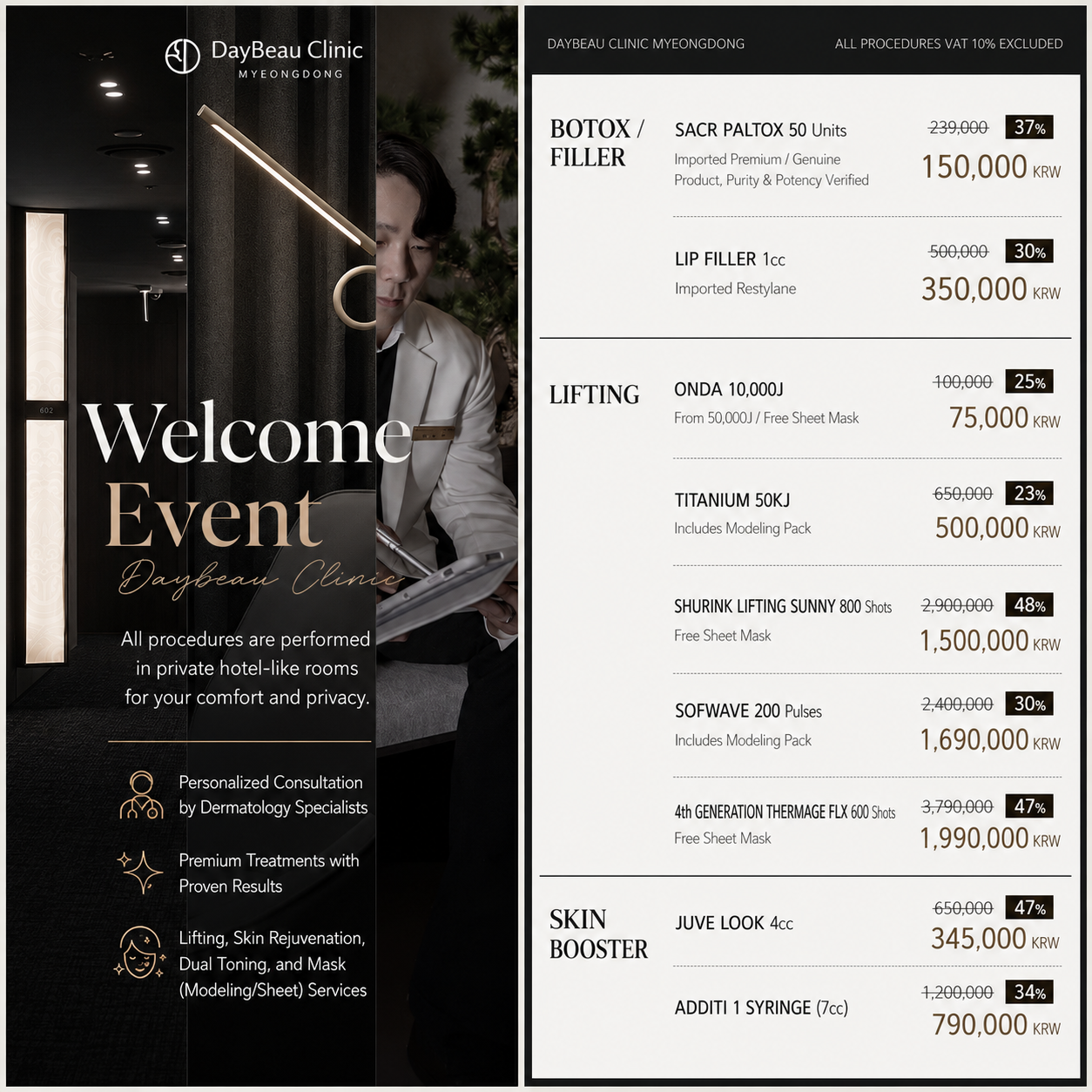
TreatmentApproximate Cost (KRW)Approximate Cost (USD)Botox₩80,000–₩400,000$60–$300Dermal Fillers₩300,000–₩1,200,000$220–$900Pico Laser₩200,000–₩800,000$150–$600Rejuran₩300,000–₩800,000$220–$600Skin Booster₩300,000–₩700,000$220–$525Ultherapy₩1,500,000–₩4,500,000$1,100–$3,400Thermage₩2,000,000–₩5,500,000$1,500–$4,100
Prices are estimates only and may differ depending on your individual treatment plan.
Additional Travel Expenses
Medical treatment is only one part of your total travel budget.
Additional expenses may include:
ExpenseEstimated CostHotel₩80,000–₩300,000 per nightMeals₩10,000–₩40,000 per mealTransportation₩2,000–₩15,000 per tripPrescription medicationsVariesFollow-up appointmentsAdditional fees may applyAirfareDepends on departure country
Planning for these costs in advance helps prevent unexpected financial surprises.
Arriving in Seoul
Most international travelers arrive through Incheon International Airport, which provides efficient connections to central Seoul.
Transportation options include:
- AREX Airport Express Train
- Airport Limousine Bus
- Taxi
- Private airport transfer
- Hotel shuttle services
Many clinics can also help arrange transportation for international patients upon request.
Getting Around the City
Seoul's transportation network is clean, affordable, and easy to navigate.
Popular transportation options include:
- Seoul Subway
- Public buses
- Taxis
- Ride-hailing applications
- Walking
Purchasing a T-money card allows convenient payment across buses and subway lines throughout the city.
Where to Stay
Choosing accommodation close to your clinic makes follow-up appointments and recovery much easier.
Popular areas include:
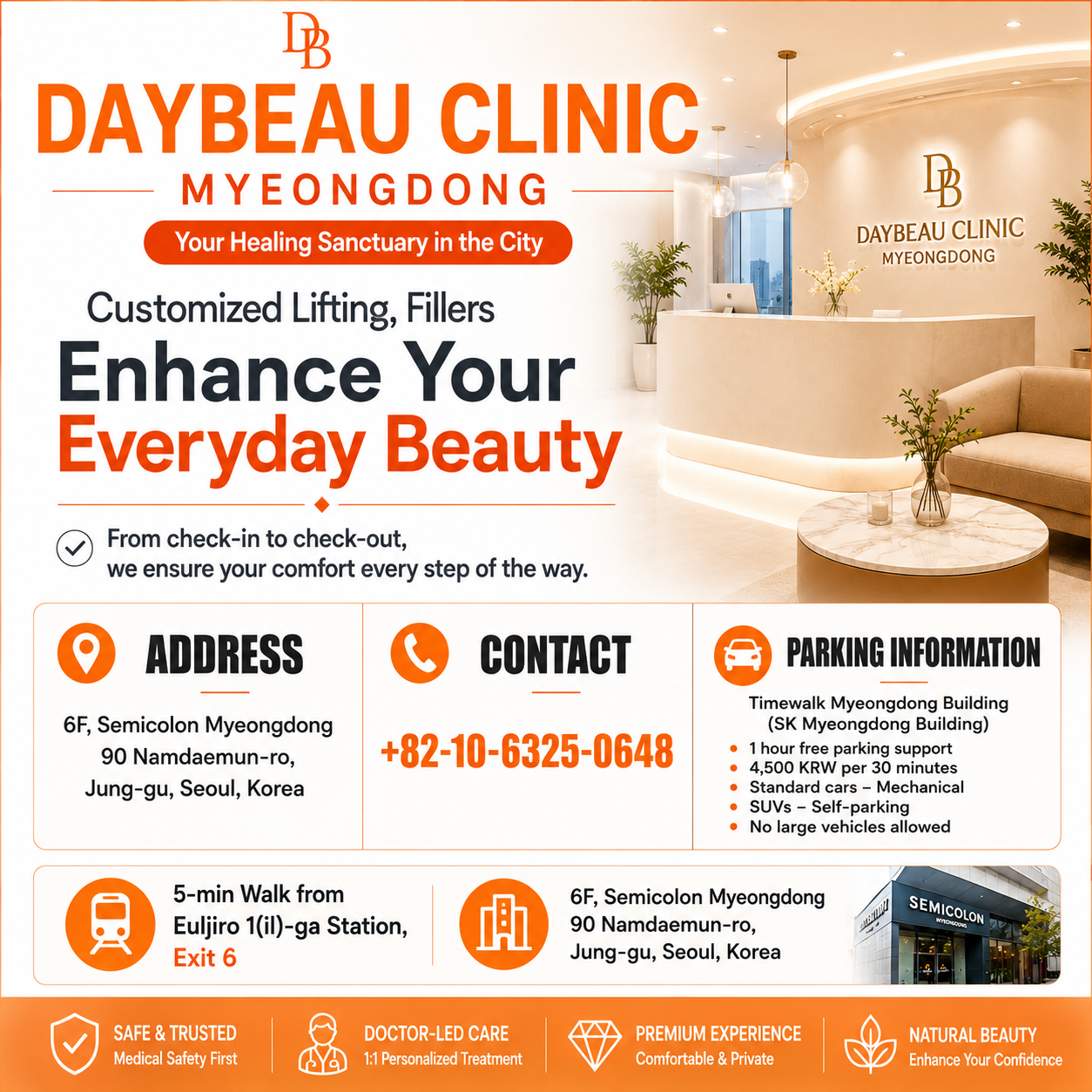
AreaBest Known ForGangnamDermatology and plastic surgeryApgujeongLuxury aesthetic clinicsSinsaCosmetic dermatologyMyeongdongHotels and shoppingHongdaeBudget accommodationJamsilMajor hospitals
Patients recovering from surgery should prioritize quiet hotels with elevators and nearby pharmacies.
Recovery After Treatment
Recovery time depends on the procedure performed. Non-invasive treatments often require minimal downtime, while surgery may require several weeks of healing.
During recovery:
- Follow all medical instructions carefully.
- Take prescribed medications as directed.
- Avoid direct sun exposure after laser procedures.
- Attend follow-up appointments.
- Stay hydrated.
- Avoid strenuous exercise if advised.
- Contact your physician if unexpected symptoms develop.
Proper aftercare is essential for reducing complications and supporting optimal healing.
Common Mistakes to Avoid
Many first-time medical tourists can improve their experience by avoiding several common mistakes.
These include:
- Choosing a clinic based only on price
- Booking treatment without adequate research
- Underestimating recovery time
- Flying home too soon
- Ignoring aftercare instructions
- Failing to disclose medical conditions
- Expecting unrealistic results
- Not budgeting for additional expenses
Careful planning contributes to a safer and more successful medical journey.
Practical Tips for First-Time Visitors
Simple preparations can make your trip significantly more comfortable.
Helpful recommendations include:
- Schedule consultations before arriving.
- Stay near your treatment clinic.
- Purchase a Korean eSIM.
- Carry a portable charger.
- Keep digital copies of important documents.
- Wear comfortable clothing.
- Bring sunscreen for daytime activities.
- Leave flexibility in your travel schedule.
These practical steps can help you focus on your treatment and recovery rather than travel-related challenges.
Conclusion
Seoul has become one of the world's leading medical tourism destinations by combining experienced healthcare professionals, advanced medical technology, modern hospitals, and excellent support for international patients. Whether you are visiting for dermatology, cosmetic procedures, dental care, or preventive health screenings, careful planning and choosing a qualified healthcare provider are essential for achieving the best possible experience.
Before making any treatment decisions, consult a qualified physician, discuss your medical history openly, understand the expected benefits and limitations of your treatment, and follow all recommended aftercare instructions. With realistic expectations and thoughtful preparation, your first medical tourism experience in Seoul can be both safe and rewarding.