
How to Contact Your Korean Skin Clinic After Treatment
Introduction
Receiving skin treatment in South Korea does not end when you leave the clinic. Whether you have undergone laser therapy, chemical peels, acne treatment, Botox, dermal fillers, microneedling, skin rejuvenation, or another cosmetic dermatology procedure, staying in touch with your clinic after treatment is an important part of your recovery.
Most reputable Korean skin clinics provide follow-up support to monitor healing, answer patient questions, manage minor concerns, and respond quickly if complications develop. This ongoing communication helps ensure that patients receive appropriate care throughout the recovery process, even after they return to their home country.
For international patients, knowing how to contact a Korean skin clinic after treatment can provide peace of mind and help resolve concerns before they become more serious. This guide explains the best ways to communicate with your clinic, what information to prepare, and when you should seek immediate medical attention instead.
Why Staying in Contact with Your Clinic Is Important
Recovery continues long after your treatment is completed. During this time, your dermatologist may need to evaluate your healing, answer questions, or modify your aftercare plan.
Maintaining communication helps:
- Monitor healing progress
- Identify complications early
- Adjust medications if necessary
- Answer recovery questions
- Provide skincare recommendations
- Schedule follow-up treatments
- Support long-term treatment results
Prompt communication often prevents small concerns from becoming larger medical problems.
When Should You Contact Your Korean Skin Clinic?
Many patients contact their clinic simply to ask questions about their recovery. This is a normal part of post-treatment care.
Contact Your Clinic If You Experience:
- Increasing redness
- Swelling that becomes worse
- Persistent pain
- Fever
- Pus or unusual drainage
- Unexpected bruising
- Skin discoloration
- Allergic reactions
- Delayed healing
- Questions about medications
- Concerns about your recovery timeline
Even if symptoms appear minor, it is better to ask your dermatologist than make assumptions.
Common Ways Korean Skin Clinics Communicate with Patients
Many Korean clinics provide several communication options for international patients.
Email is commonly used for:
- Sending photographs
- Asking non-urgent questions
- Receiving written instructions
- Sharing medical records
- Confirming appointments
It also creates a written record of communication that patients can reference later.
Telephone
For urgent concerns, calling the clinic may be the fastest option.
Telephone communication allows staff to:
- Assess symptoms
- Provide immediate guidance
- Arrange emergency appointments
- Recommend further medical evaluation
Many international patient departments have English-speaking coordinators.
Messaging Applications
Some clinics communicate through secure messaging platforms.
These services may allow patients to:
- Send photographs
- Ask recovery questions
- Receive skincare recommendations
- Arrange virtual consultations
Always use the communication method recommended by your clinic.
Online Patient Portals
Some hospitals and larger dermatology centers provide online portals where patients can:
- Review appointments
- Access medical records
- Receive treatment summaries
- Exchange secure messages with healthcare providers
These systems improve convenience for international patients.
Information to Prepare Before Contacting Your Clinic
Providing complete information helps your dermatologist evaluate your situation more accurately.
Personal Information
Be prepared to provide:
- Full name
- Date of birth
- Patient identification number (if available)
- Date of treatment
Treatment Information
Include details such as:
- Type of procedure
- Area treated
- Medications prescribed
- Date symptoms began
Accurate treatment information helps your dermatologist understand your recovery.
Describe Your Symptoms Clearly
Explain:
- What symptoms you are experiencing
- When they started
- Whether they are improving or worsening
- Whether you have a fever or severe pain
- Whether you have followed your aftercare instructions
Detailed descriptions allow your healthcare provider to give more appropriate advice.
Send Clear Photographs
Many clinics ask patients to submit photographs of the treated area.
Helpful photographs should:
- Be well lit
- Show the affected area clearly
- Include multiple angles if needed
- Be taken without filters
Good-quality images often help dermatologists assess healing remotely.
Online Follow-Up Consultations
Many Korean skin clinics now provide remote follow-up services for international patients.
Benefits of Virtual Consultations
Online appointments allow dermatologists to:
- Review healing progress
- Evaluate photographs
- Answer patient questions
- Adjust skincare recommendations
- Recommend additional treatment if necessary
Virtual consultations are particularly useful after patients return home.
Questions You Should Ask During Follow-Up
Prepare questions before your consultation.
Examples include:
- Is my healing progressing normally?
- Are my current symptoms expected?
- Should I continue using my medications?
- When can I resume my regular skincare routine?
- Is it safe to exercise?
- When can I wear makeup again?
- When is it safe to receive additional treatments?
Good communication helps patients feel more confident during recovery.
When to Seek Emergency Medical Care Instead
Some symptoms require immediate medical attention rather than waiting for a clinic response.
Visit an Emergency Hospital If You Experience:
- Difficulty breathing
- Severe allergic reactions
- High fever
- Heavy bleeding
- Severe facial swelling
- Sudden vision changes
- Loss of consciousness
- Rapidly spreading redness
Emergency departments can provide urgent treatment for serious complications.
Staying Connected After Returning Home
Recovery often continues after international patients leave Korea.
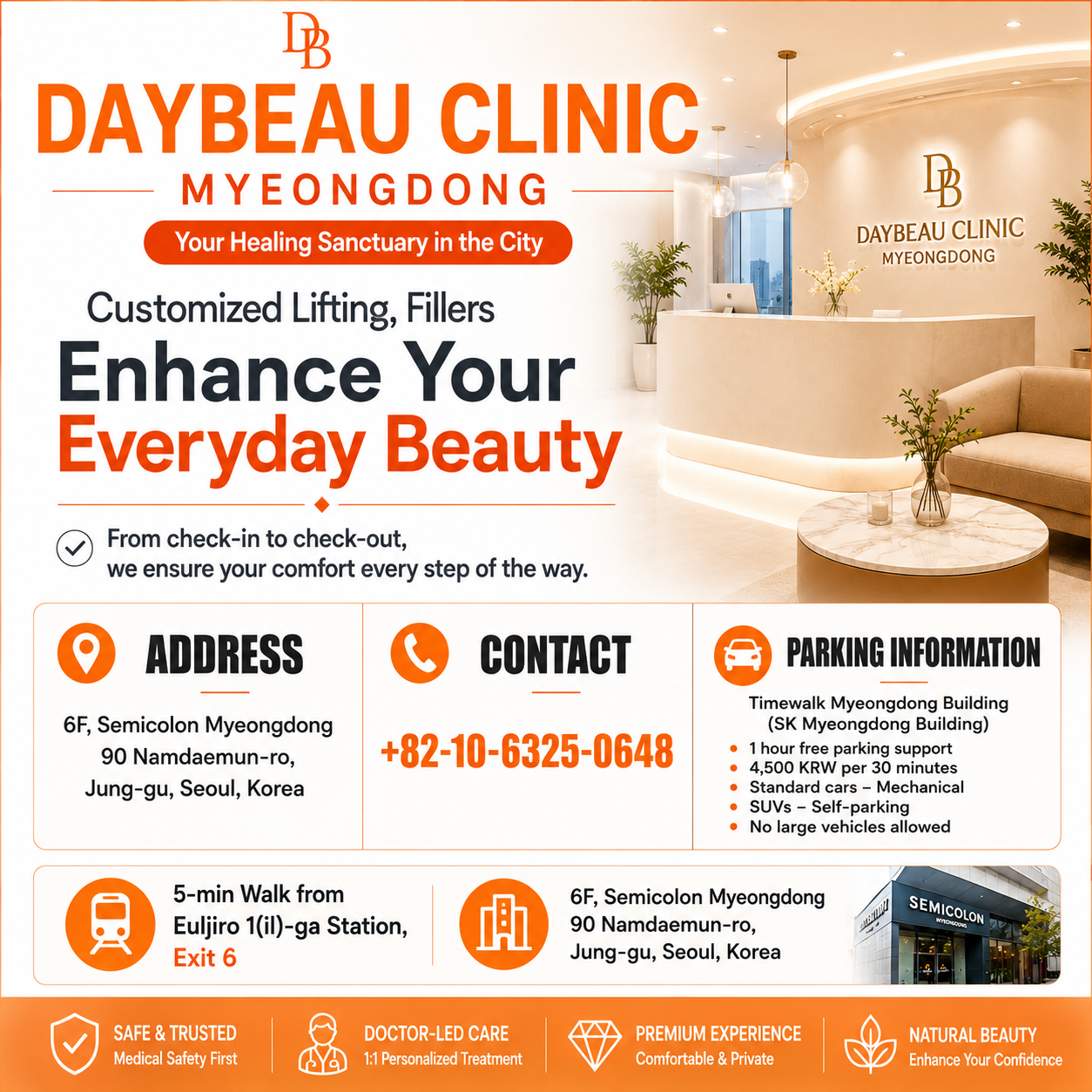
Keep Your Clinic's Contact Information
Save:
- Telephone number
- Email address
- Emergency contact information
- International patient coordinator details
Having this information readily available allows you to reach your clinic quickly if concerns arise.
Keep Copies of Your Medical Records
Request:
- Procedure summary
- Treatment notes
- Medication list
- Aftercare instructions
- Follow-up recommendations
These records may assist healthcare providers in your home country if additional treatment becomes necessary.
How to Communicate Effectively
Clear communication helps your dermatologist understand your concerns.
Be Honest About Your Symptoms
Avoid minimizing or exaggerating symptoms.
Accurate information leads to better medical advice.
Follow Communication Instructions
Use the clinic's preferred communication method whenever possible.
Respond promptly if the clinic requests additional information or photographs.
Keep a Recovery Diary
Some patients find it helpful to record:
- Daily symptoms
- Medication use
- Healing progress
- Photographs
- Questions for their dermatologist
A recovery diary can make follow-up discussions more productive.
Common Mistakes Patients Should Avoid
Waiting Too Long to Ask for Help
Minor concerns may become more serious if left untreated.
Contact your clinic whenever symptoms seem unusual.
Stopping Medications Without Medical Advice
Always consult your dermatologist before discontinuing prescribed medications.
Using Unapproved Skincare Products
Avoid introducing new skincare products unless your dermatologist confirms they are safe during recovery.
Ignoring Follow-Up Appointments
Scheduled follow-up visits allow your dermatologist to monitor healing and confirm that treatment is progressing as expected.
Frequently Asked Questions
Can I contact my clinic after returning home?
Yes. Many Korean skin clinics provide ongoing support through email, telephone, messaging applications, or virtual consultations.
What if I cannot speak Korean?
Many clinics have English-speaking coordinators or interpreter services that assist international patients throughout treatment and recovery.
How quickly should I report unusual symptoms?
You should contact your clinic as soon as possible if symptoms appear unusual or worsen unexpectedly.
Will my clinic coordinate with my local doctor?
Many clinics are willing to provide medical records and treatment information that your local healthcare provider can use if additional care is needed.
Tips for International Patients
To make communication easier:
- Save all clinic contact details before leaving Korea.
- Keep digital copies of your medical records.
- Take regular photographs of your healing progress.
- Follow all aftercare instructions carefully.
- Report unusual symptoms promptly.
- Schedule online follow-up appointments if recommended.
Maintaining communication helps ensure the safest possible recovery.
Final Thoughts
Contacting your Korean skin clinic after treatment is an important part of successful recovery. Whether you have questions about healing, need advice about medications, or experience unexpected symptoms, maintaining communication with your dermatologist allows problems to be identified early and managed appropriately.
Most Korean skin clinics are experienced in caring for international patients and offer multiple ways to stay connected, including email, telephone, messaging services, and virtual consultations. By keeping your clinic's contact information, following aftercare instructions, preparing accurate information about your symptoms, and seeking prompt medical advice when needed, you can support a smooth recovery and enjoy the best possible results from your skin treatment in South Korea.