
Child-Friendly Medical Clinics in Korea
Introduction
Traveling or living in South Korea with children requires access to reliable healthcare services that understand the unique needs of young patients. Whether a child experiences a sudden fever, seasonal allergy, stomach problem, minor injury, or requires regular medical support, finding a child-friendly medical clinic in Korea can provide parents with confidence and peace of mind.
South Korea has a highly advanced healthcare system with specialized pediatric clinics, family medicine centers, and international hospitals that provide professional care for children. Many medical facilities in major cities, especially Seoul, offer modern equipment, experienced pediatric doctors, comfortable environments, and support for foreign families.
For international visitors, expats, and families relocating to Korea, understanding how to find child-friendly clinics, what services are available, and how foreign patients can receive care makes healthcare planning easier and more convenient.
Understanding Child-Friendly Medical Clinics in Korea
What Makes a Medical Clinic Child-Friendly?
A child-friendly medical clinic is designed to make healthcare visits more comfortable and less stressful for young patients.
Features often include:
- Pediatric specialists
- Comfortable waiting areas
- Child-focused communication
- Family-friendly facilities
- Gentle examination approaches
- Modern pediatric equipment
- Supportive medical staff
These clinics focus not only on treating illnesses but also on creating a positive healthcare experience for children.
Why Choose Pediatric Clinics in Korea?
Pediatric clinics in Korea specialize in understanding children’s health needs, including:
- Growth and development
- Childhood infections
- Allergies
- Nutrition concerns
- Respiratory conditions
- Skin problems
- Preventive healthcare
Parents can receive professional medical advice from doctors trained specifically in child healthcare.
Types of Child Healthcare Facilities in Korea
Pediatric Clinics
Pediatric clinics, known as 소아과 (soagwa) in Korean, are the most common healthcare option for children.
They provide treatment for:
- Fever
- Cold symptoms
- Flu
- Ear infections
- Throat infections
- Digestive issues
- Minor illnesses
Pediatric clinics are widely available in residential areas and commercial districts.
Family Medicine Clinics
Family medicine clinics can also provide healthcare support for children and adults.
They are useful for:
- Mild illnesses
- General consultations
- Basic medical examinations
- Prescription needs
Families traveling together may find these clinics convenient because multiple family members can receive care in one location.
Children’s Hospitals
Children’s hospitals provide specialized pediatric care for more complex conditions.
Services may include:
- Pediatric specialists
- Advanced testing
- Emergency pediatric care
- Long-term condition management
- Specialized treatments
These facilities are suitable for children requiring advanced medical attention.
International Hospitals in Korea
Major hospitals in Seoul and other cities often have international patient centers.
They provide:
- English-speaking support
- Medical interpretation
- Pediatric departments
- Specialist referrals
- Appointment assistance
These hospitals are especially helpful for foreign families.
Common Children’s Health Issues Treated in Korea
Fever and Childhood Infections
Fever is one of the most common reasons parents visit pediatric clinics.
Korean pediatric doctors commonly treat:
- Viral infections
- Flu
- Colds
- Throat infections
- Respiratory illnesses
Doctors can provide examinations, medication recommendations, and follow-up guidance.
Allergies and Skin Conditions
Children may experience allergies due to:
- Seasonal changes
- Environmental differences
- Food reactions
- Weather conditions
Child-friendly clinics can help diagnose and manage:
- Skin rashes
- Eczema
- Allergic reactions
- Respiratory allergies
Digestive Problems
Traveling children may experience digestive discomfort from changes in food and routine.
Clinics commonly treat:
- Stomach pain
- Diarrhea
- Vomiting
- Food-related discomfort
Minor Injuries
Active children may experience:
- Falls
- Cuts
- Sprains
- Minor accidents
Local clinics and hospitals provide evaluation and treatment for many minor injuries.
Pediatric Services Available in Korea
Child Health Checkups
Korean healthcare facilities offer child health evaluations focusing on:
- Growth patterns
- Development milestones
- Nutrition
- General wellness
These checkups help parents monitor children’s overall health.
Vaccination Services
Pediatric clinics provide vaccination services for children.
Parents can consult doctors regarding:
- Routine childhood vaccines
- Travel-related vaccines
- Immunization schedules
International families should bring vaccination records when visiting Korea.
Prescription and Medication Support
After a medical consultation, Korean doctors can provide prescriptions for necessary medications.
Parents can purchase prescribed medicines from nearby pharmacies.
Finding Child-Friendly Clinics in Seoul
Gangnam Pediatric Clinics
Gangnam is one of Seoul’s leading healthcare areas.
Families can find:
- Pediatric clinics
- International hospitals
- Specialty medical centers
- English-speaking healthcare services
The area is popular among international families seeking premium medical care.
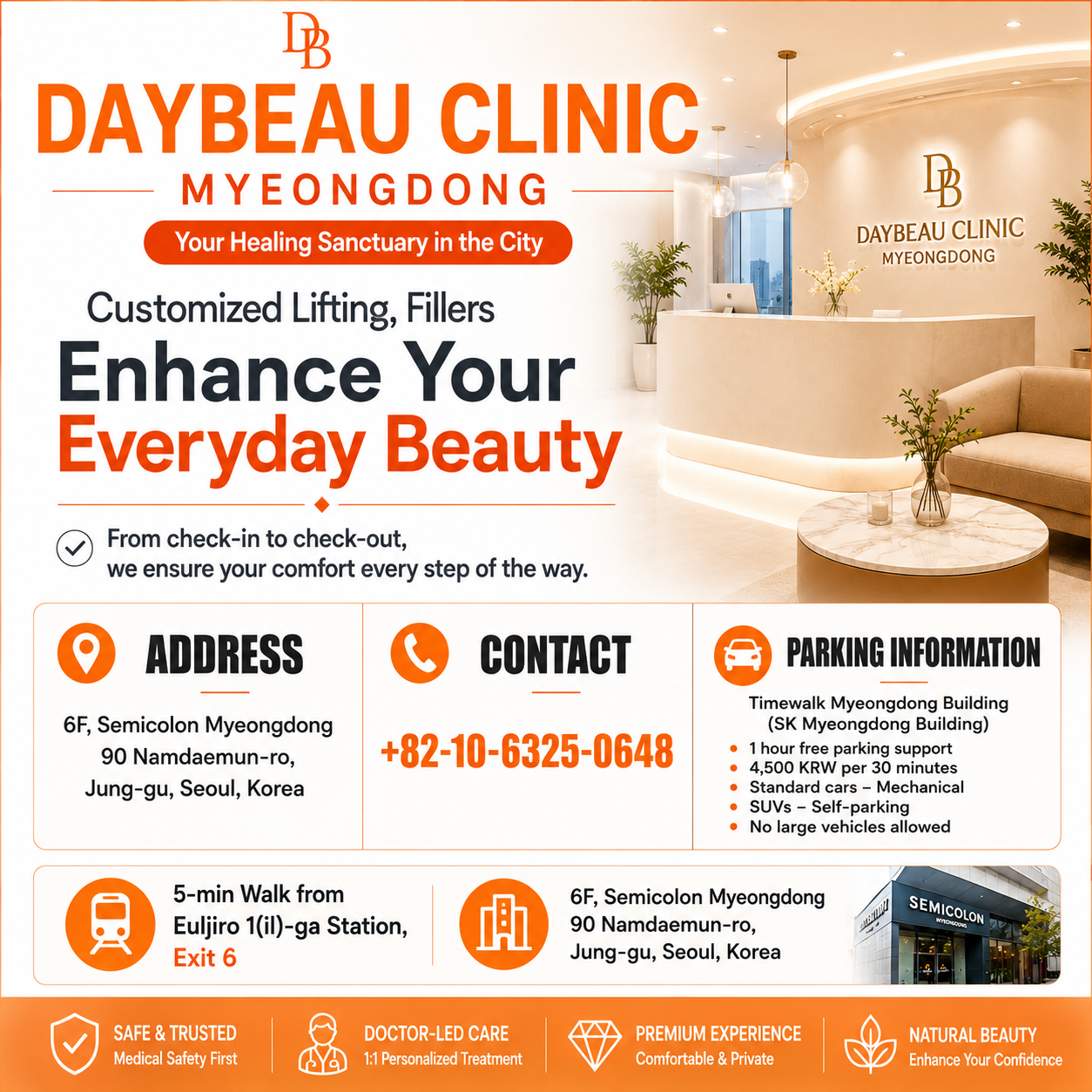
Myeongdong and Central Seoul Clinics
Families staying in tourist areas can find convenient pediatric services near:
- Myeongdong
- Seoul Station
- Hongdae
- Itaewon
These locations are suitable for travelers needing quick medical assistance.
Residential Area Clinics
Many neighborhoods in Seoul have local pediatric clinics that provide affordable and convenient care.
These clinics are often suitable for:
- Common illnesses
- Routine consultations
- Medication needs
Healthcare Support for Foreign Families
English-Speaking Pediatric Doctors
Many international-friendly clinics provide English support through:
- English-speaking doctors
- Medical interpreters
- International patient coordinators
This helps parents explain symptoms clearly and understand treatment recommendations.
Multilingual Medical Services
Some Korean healthcare facilities provide support in:
- Chinese
- Japanese
- Arabic
- Russian
- Vietnamese
Families should confirm language availability before visiting.
Preparing Medical Information
Foreign parents should prepare:
- Child’s medical history
- Previous diagnoses
- Allergy information
- Vaccination records
- Current medications
This information helps Korean doctors provide accurate care.
Emergency Pediatric Healthcare in Korea
When to Visit an Emergency Department
Parents should seek emergency care for serious symptoms such as:
- Difficulty breathing
- Severe allergic reactions
- Loss of consciousness
- Serious injuries
- Persistent high fever
- Severe dehydration
Major hospitals in Korea provide emergency services for children.
Emergency Number for Families
The emergency medical number in Korea is:
119
This service provides ambulance assistance and emergency medical support.
Cost of Child Healthcare in Korea
Affordable Pediatric Care
Child healthcare in Korea is generally affordable compared with many developed countries.
Costs depend on:
- Clinic type
- Treatment required
- Tests performed
- Insurance coverage
Local pediatric clinics are usually cost-effective options for basic healthcare needs.
Healthcare Costs for Foreign Visitors
Foreign visitors can access pediatric care through:
- Private payment
- Travel insurance
- International health insurance
Many hospitals provide clear cost information for international patients.
National Health Insurance Benefits
Foreign residents who qualify for Korean National Health Insurance can receive reduced healthcare costs for eligible services.
Tips for Parents Traveling to Korea
Research Clinics Before Arrival
Before visiting Korea, parents should identify:
- Nearby pediatric clinics
- International hospitals
- Emergency centers
- Pharmacies
This preparation helps during unexpected situations.
Carry Essential Items
Parents should bring:
- Regular medications
- Allergy medicine
- Thermometer
- Medical documents
- Comfort items for children
Choose Family-Friendly Accommodation
Families may prefer accommodations near:
- Hospitals
- Public transportation
- Pharmacies
- Tourist areas
Convenient locations make healthcare access easier.
Frequently Asked Questions
Are child-friendly medical clinics available in Korea?
Yes. Korea has many pediatric clinics and hospitals that provide specialized healthcare services for children.
Can foreign children receive medical treatment in Korea?
Yes. International children can receive healthcare from Korean clinics, hospitals, and pediatric specialists.
Do Korean pediatric clinics speak English?
Many international-friendly clinics provide English support through doctors, interpreters, or patient coordinators.
How much does pediatric care cost in Korea?
The cost depends on the clinic, treatment, and insurance coverage, but basic pediatric care in Korea is generally affordable.
What should foreign parents bring to a Korean pediatric clinic?
Parents should bring medical records, vaccination information, allergy details, and medication lists.
Conclusion
Child-friendly medical clinics in Korea provide safe, professional, and accessible healthcare for young patients from around the world. With specialized pediatric doctors, modern facilities, affordable services, and international patient support, Korea offers reliable healthcare options for families traveling or living abroad.
By researching pediatric clinics before arrival, preparing essential medical information, and understanding emergency procedures, parents can ensure their children receive timely and comfortable medical care. South Korea’s advanced healthcare system makes it a family-friendly destination where children can receive high-quality medical support whenever needed.