
Best Recovery-Friendly Hotels in Seoul After Skin Treatments
Introduction
Seoul has become one of the world's leading destinations for advanced skin treatments, attracting thousands of international visitors every year. From laser resurfacing and acne scar treatments to chemical peels, skin rejuvenation, pigmentation correction, and anti-aging procedures, South Korea offers high-quality dermatology services supported by modern technology and experienced specialists. Many medical tourists choose Seoul because of its internationally recognized clinics, personalized treatment plans, and innovative skincare techniques. However, achieving the best treatment results depends not only on selecting the right clinic but also on choosing accommodation that supports a smooth and comfortable recovery.
After skin treatments, your skin may become temporarily sensitive, requiring proper rest, hydration, sun protection, and a clean environment. Staying in a recovery-friendly hotel allows you to relax, minimize unnecessary travel, and easily attend follow-up appointments. Hotels located near dermatology clinics also provide convenient access to pharmacies, restaurants, convenience stores, and transportation. This guide explains the essential features of recovery-friendly hotels in Seoul and offers practical advice to help international patients enjoy a safe, comfortable, and stress-free stay during their skincare journey.
Why Choosing the Right Hotel Is Important
Recovering from skin treatments requires more than following your dermatologist's instructions. Your accommodation plays a significant role in creating a comfortable environment where your skin can heal naturally. A well-located hotel reduces travel time after treatment and allows you to rest without unnecessary physical activity.
Many procedures, including laser therapy, microneedling, radiofrequency treatments, and chemical peels, require patients to avoid excessive sun exposure and strenuous activities for several days. Staying in a quiet and comfortable hotel helps protect sensitive skin while making your recovery more convenient.
Better Rest for Faster Recovery
Quality sleep supports your body's natural healing process. Comfortable beds, quiet rooms, and temperature-controlled environments help patients recover more effectively after dermatology treatments.
Convenient Access to Medical Care
Hotels located near your dermatology clinic make it easier to attend follow-up appointments, purchase prescribed skincare products, and consult your doctor if necessary.
Reduced Travel Stress
Long journeys immediately after treatment may increase discomfort. Staying close to your clinic minimizes unnecessary movement and allows you to return quickly after your appointment.
Features of a Recovery-Friendly Hotel
Not every hotel provides the same level of comfort for medical tourists. Looking for specific amenities before booking can improve your overall recovery experience.
Comfortable Guest Rooms
Choose hotels with spacious rooms, comfortable mattresses, supportive pillows, blackout curtains, and effective climate control. These features create an ideal environment for relaxation and quality sleep.
Excellent Cleanliness
A clean room reduces exposure to dust and other irritants that may affect sensitive skin after treatment. Hotels with strong housekeeping standards help maintain a hygienic recovery environment.
High-Speed Internet
Reliable Wi-Fi allows patients to communicate with family, contact clinics, access translation services, and manage travel arrangements without leaving their rooms.
Elevator Access
Patients recovering from medical procedures should avoid unnecessary physical strain. Hotels with elevators make moving between floors much easier.
Healthy Dining Options
Nutritious meals support recovery and overall well-being. Hotels offering healthy breakfast options or located near restaurants serving balanced meals provide additional convenience.
Best Areas to Stay in Seoul
Location should be one of your highest priorities when booking accommodation after skin treatments.
Gangnam
Gangnam is home to many of Seoul's leading dermatology clinics and aesthetic centers. Staying in this district reduces travel time while providing easy access to pharmacies, shopping centers, cafés, and public transportation.
Apgujeong
Apgujeong is famous for luxury skincare clinics and cosmetic dermatology services. Visitors can find premium hotels, upscale restaurants, and convenient transportation throughout the area.
Sinsa
Sinsa offers a quieter atmosphere while remaining close to numerous dermatology clinics. The neighborhood is popular among international visitors seeking comfortable accommodation with convenient access to medical services.
Myeongdong
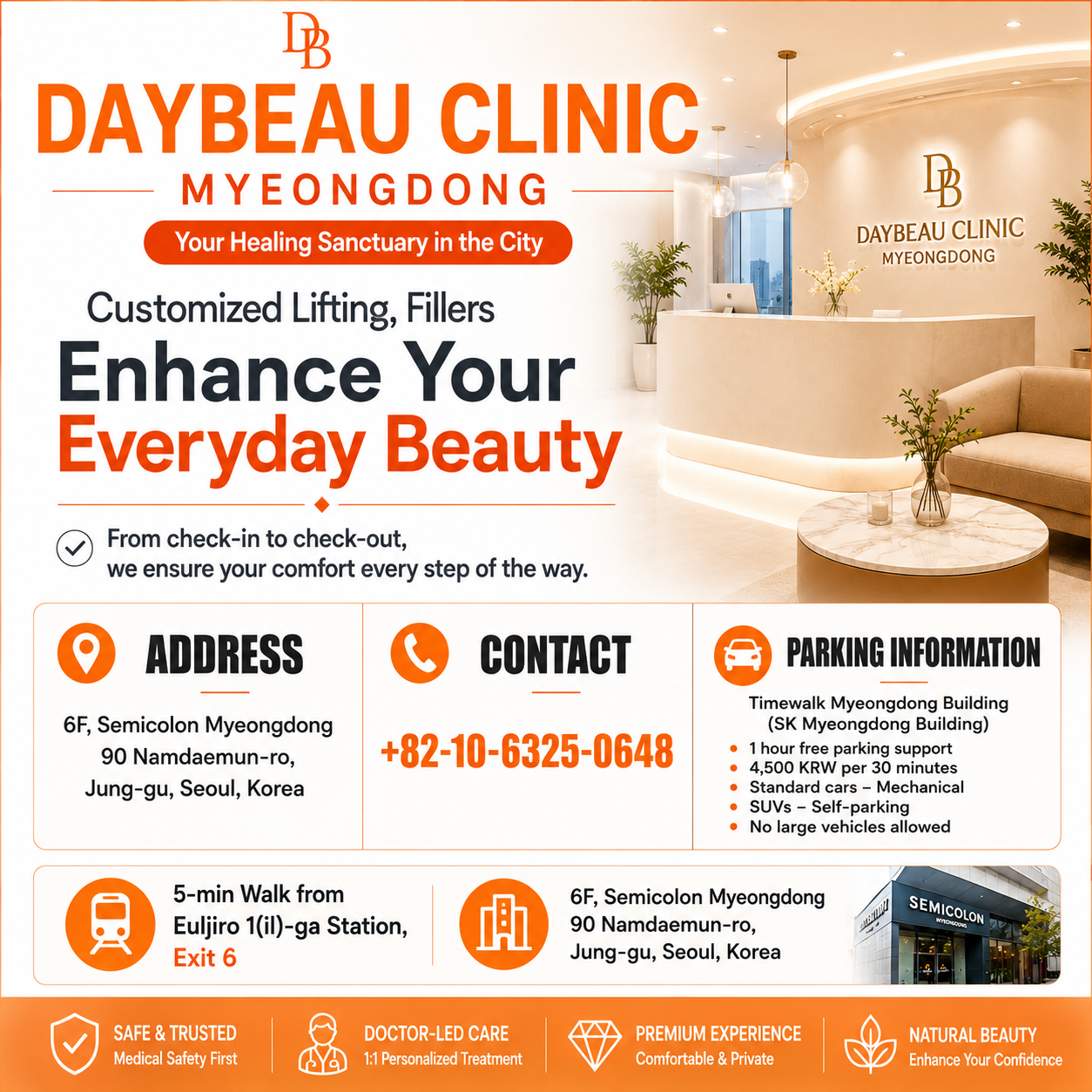
Myeongdong combines excellent shopping, dining, and transportation with easy access to several medical districts. It is suitable for patients planning short stays in Seoul.
Hotel Amenities That Support Recovery
The right hotel amenities can make a noticeable difference during your recovery.
In-Room Dining
Room service allows patients to enjoy meals without leaving their accommodation, particularly during the first day after treatment when rest is most important.
Blackout Curtains
Patients recovering from laser procedures or chemical peels often benefit from reduced sunlight exposure. Blackout curtains help create a comfortable indoor environment throughout the day.
Air Conditioning and Heating
Maintaining a comfortable room temperature helps reduce discomfort, particularly when skin feels warm or sensitive following treatment.
Laundry Services
Professional laundry services allow patients to keep clothing clean during extended stays without additional effort.
Quiet Environment
Hotels located away from busy nightlife areas often provide a more peaceful atmosphere for rest and recovery.
Hotel vs Apartment for Skin Treatment Recovery
Both hotels and apartments can be suitable depending on your treatment plan.
Hotels
Hotels are generally ideal for patients staying less than one week. Daily housekeeping, room service, concierge assistance, and professional hospitality allow guests to focus entirely on recovery.
Apartments
Patients staying several weeks may prefer apartments because they provide kitchens, washing machines, larger living spaces, and additional privacy. These features are especially useful for long-term skincare treatment plans.
Tips for Booking the Right Hotel
Selecting the right accommodation before arriving in Seoul can improve your medical tourism experience.
Stay Close to Your Clinic
Walking distance or a short taxi ride is preferable to long subway journeys after treatment.
Read Verified Guest Reviews
Previous guest experiences provide valuable information about cleanliness, comfort, customer service, and overall hotel quality.
Confirm Flexible Reservations
Medical schedules sometimes change unexpectedly. Flexible booking policies allow patients to extend or modify reservations if necessary.
Check Hotel Facilities
Confirm that the hotel provides elevators, reliable Wi-Fi, comfortable bedding, climate control, and convenient dining options before making a reservation.
Consider Airport Transportation
Hotels offering airport shuttle services or easy airport access simplify arrival and departure, especially for international travelers carrying luggage after treatment.
Recovery Tips During Your Hotel Stay
Proper aftercare helps maximize treatment results.
Follow Your Doctor's Instructions
Always use prescribed skincare products exactly as directed by your dermatologist.
Stay Hydrated
Drinking enough water supports healthy skin and overall recovery.
Avoid Direct Sunlight
Wear hats, sunscreen, and protective clothing whenever you leave your hotel, especially after laser treatments or chemical peels.
Get Plenty of Rest
Avoid strenuous exercise and prioritize sleep during the first few recovery days.
Keep Your Skin Clean
Follow your dermatologist's instructions regarding cleansing routines and avoid using unapproved skincare products.
Common Mistakes Medical Tourists Should Avoid
Planning mistakes can affect both comfort and recovery.
Booking Accommodation Too Far Away
Long travel times after treatment can increase discomfort and make follow-up visits less convenient.
Choosing Price Over Quality
The cheapest hotel may lack cleanliness, comfort, or essential amenities needed during recovery.
Ignoring Hotel Policies
Review cancellation policies, check-in times, and available services before confirming your reservation.
Skipping Travel Insurance
Comprehensive travel insurance can provide valuable protection against unexpected medical or travel-related situations.
Frequently Asked Questions
How many days should I stay after skin treatment?
Recovery varies depending on the procedure. Some treatments require only one or two days, while others may require a week or longer for follow-up appointments.
Can I wear makeup immediately after treatment?
Many dermatologists recommend avoiding makeup for a period following certain procedures. Always follow your doctor's advice.
Is room service necessary?
Although not essential, room service provides additional convenience during the first day or two after treatment.
Should I avoid outdoor activities?
Patients should avoid excessive sunlight, strenuous exercise, and activities that may irritate healing skin until their dermatologist approves normal routines.
Conclusion
Choosing a recovery-friendly hotel is an essential part of planning a successful skincare trip to Seoul. A clean, comfortable hotel located near your dermatology clinic allows you to rest properly, attend follow-up appointments easily, and enjoy a more relaxed recovery. Features such as comfortable bedding, healthy dining options, room service, climate control, and convenient transportation can significantly improve your overall experience. Whether you are visiting Seoul for laser resurfacing, acne treatment, pigmentation correction, skin rejuvenation, or anti-aging procedures, selecting accommodation that supports your recovery helps you achieve the best possible results while enjoying South Korea's world-class medical tourism services.