
Tell Your Dermatologist About Any Allergies Before Treatment in Korea
Introduction
For international visitors traveling to Korea for dermatology treatments, aesthetic procedures, or medical tourism, communication with your dermatologist is one of the most important steps for having a safe and comfortable experience. Before receiving any skin treatment, first-time visitors should always inform their dermatologist about any known allergies, sensitivities, or previous reactions.
Korean dermatology clinics provide personalized treatments based on each patient’s skin condition, goals, and medical history. Sharing accurate allergy information helps your dermatologist choose suitable products, avoid potential risks, and create a treatment plan that matches your needs.
Many visitors focus on choosing popular Korean skin treatments, but preparation before the procedure is equally important. A simple conversation about allergies can make your treatment experience safer and more effective.
Why You Should Tell Your Dermatologist About Allergies Before Treatment
Every person’s skin reacts differently to ingredients, medications, and procedures. Even if you have received similar treatments before, your dermatologist in Korea needs to understand your personal history.
Sharing allergy information helps your clinic:
- Select appropriate treatment options
- Avoid ingredients that may cause reactions
- Adjust your skincare plan
- Prepare suitable aftercare recommendations
- Improve communication and trust
Your dermatologist can only provide the safest recommendations when they have complete information about your health and skin history.
Allergy Information Is an Important Part of Your Medical Consultation
Before any dermatology procedure, Korean clinics usually begin with a consultation. This is the ideal time to discuss your allergies and sensitivities.
Your dermatologist may ask about:
- Previous allergic reactions
- Medication allergies
- Skincare ingredient sensitivity
- Cosmetic product reactions
- Past treatment experiences
Be honest and provide as much detail as possible.
Even small reactions can provide valuable information for your dermatologist when planning your treatment.
What Types of Allergies Should You Mention?
Many patients think only serious allergies are important, but different types of sensitivities may affect your treatment.
Medication Allergies
Always inform your dermatologist if you have reacted to medications such as:
- Antibiotics
- Pain medications
- Anti-inflammatory medications
- Topical medications
This information helps your clinic make safer decisions before and after treatment.
Skincare Ingredient Sensitivities
Some patients have reactions to specific skincare ingredients.
Examples may include sensitivity to:
- Fragrances
- Preservatives
- Acids
- Retinol-based products
- Certain botanical ingredients
If you know that specific products irritate your skin, tell your dermatologist before treatment.
Cosmetic Product Reactions
Many international visitors use different skincare and cosmetic products before traveling.
Mention if you have experienced:
- Burning sensations
- Itching
- Redness
- Swelling
- Skin peeling
after using certain products.
Why International Patients Need to Communicate Clearly in Korea
Medical tourism involves receiving care in a different country, which makes communication especially important.
International patients may experience challenges such as:
- Language differences
- Different skincare terminology
- Unfamiliar treatment names
- Different medical practices
Preparing your allergy information before your appointment can make communication easier.
Helpful steps include:
- Writing down your allergies before visiting
- Bringing previous medical records if available
- Showing product names or photos
- Explaining previous reactions clearly
Clear communication helps your dermatologist understand your situation better.
Prepare Your Allergy Information Before Your Korea Trip
Before traveling to Korea, create a simple list of important medical information.
Include:
- Allergy names
- Previous reactions
- Medications you cannot use
- Sensitive skincare ingredients
- Previous procedures
- Current skincare routine
Keeping this information on your phone can be helpful during your consultation.
For international visitors, preparation reduces confusion and makes appointments smoother.
Explain Your Previous Treatment Experiences
Your past skincare experiences can provide useful information.
Tell your dermatologist if you have previously experienced:
- Reactions after laser treatments
- Sensitivity after chemical peels
- Issues with injections
- Problems with skincare products
- Unexpected side effects
Even if a previous reaction was mild, your dermatologist should know about it.
Past experiences help guide safer treatment decisions.
Allergies Can Affect Treatment Recommendations
Your dermatologist may adjust your treatment plan based on your allergy history.
For example, they may recommend:
- Different skincare products
- Alternative procedures
- Modified treatment intensity
- Additional precautions
Personalized adjustments help create a treatment approach that is better suited to your skin.
Discuss Allergies Before Injectable Treatments
If you are receiving cosmetic injections in Korea, allergy communication is especially important.
Treatments may include:
- Dermal fillers
- Botox
- Skin boosters
- Collagen-stimulating injections
Before these procedures, discuss:
- Previous injection reactions
- Medication allergies
- Skin sensitivities
- Any concerns you have
Your dermatologist can explain the procedure and provide appropriate recommendations.
Discuss Allergies Before Laser and Energy-Based Treatments
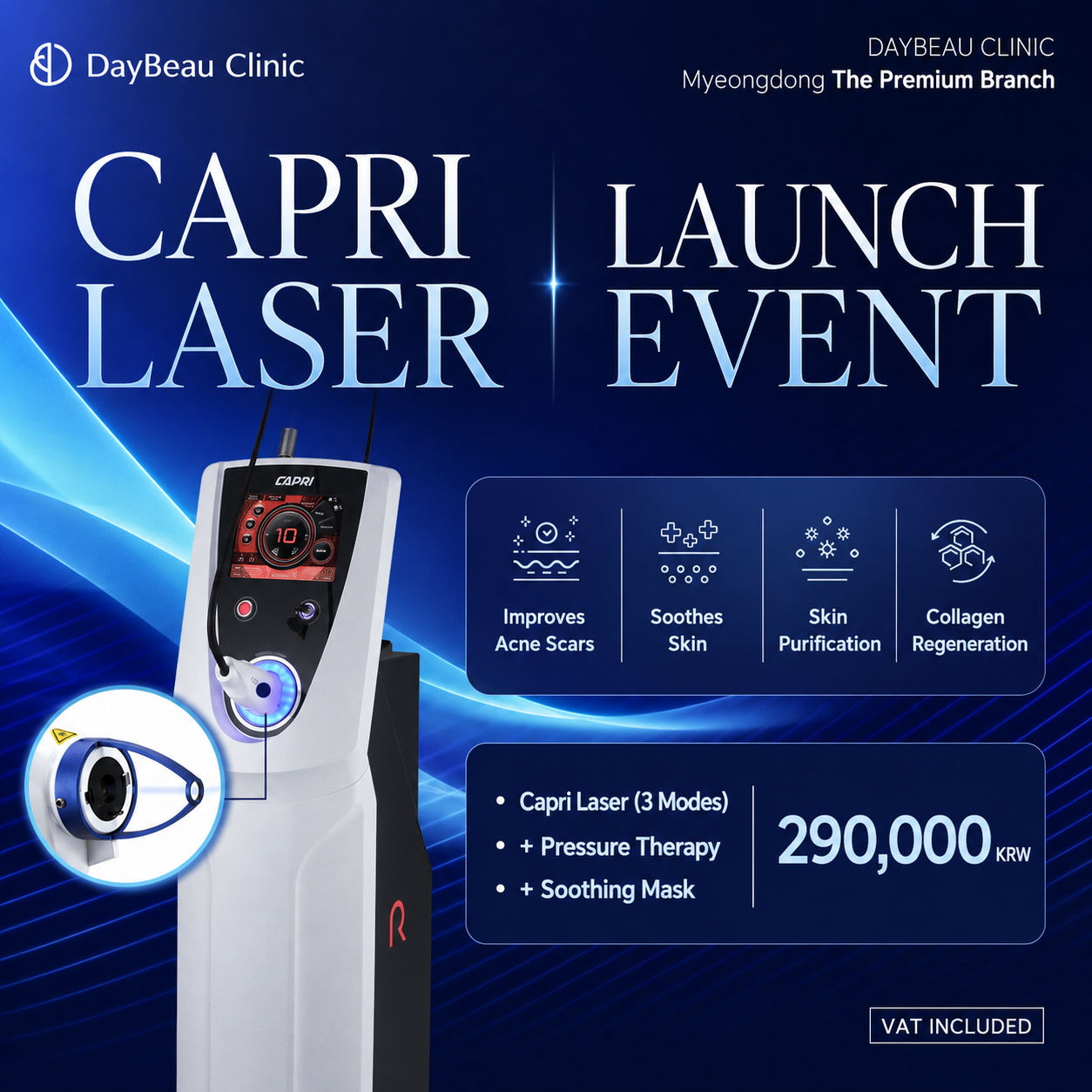
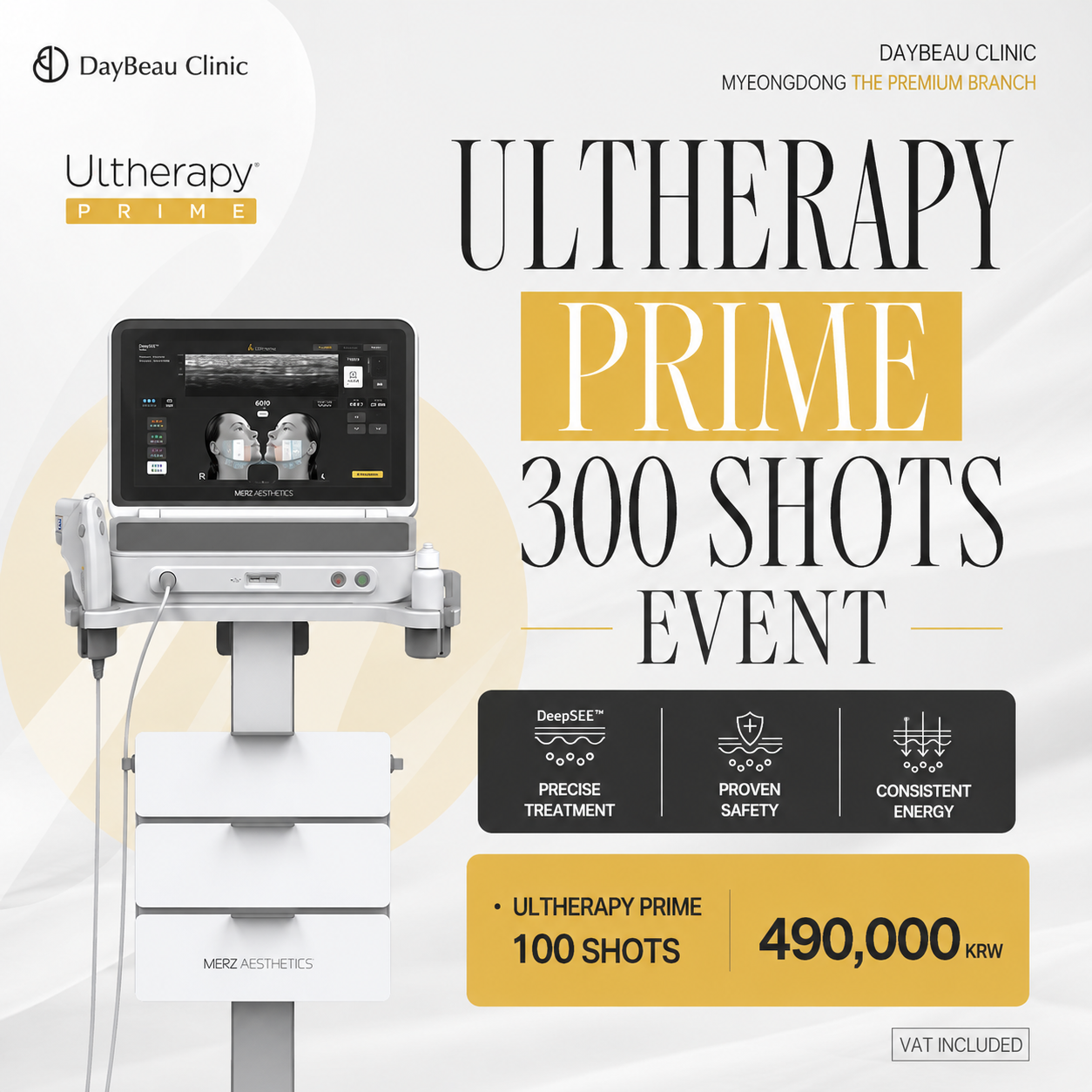
Laser and energy-based treatments are popular in Korean dermatology clinics for concerns such as:
- Acne scars
- Pigmentation
- Uneven texture
- Skin rejuvenation
Before these procedures, inform your dermatologist about:
- Sensitive skin history
- Previous laser reactions
- Skin conditions
- Products that irritate your skin
This allows your treatment plan to be adjusted according to your needs.
Do Not Hide Allergies Because You Want Faster Treatment
Some visitors may avoid mentioning allergies because they are worried about:
- Treatment delays
- Fewer options
- Additional questions
However, hiding important medical information can create unnecessary risks.
Your dermatologist’s priority is your safety and achieving suitable results.
A detailed consultation helps create a better treatment experience.
Ask Questions During Your Consultation
First-time visitors should feel comfortable asking questions before treatment.
You may ask:
- Are any ingredients used that may affect my allergies?
- Is this treatment suitable for sensitive skin?
- What reactions should I watch for?
- What aftercare products should I avoid?
- How should I care for my skin after treatment?
Understanding your procedure helps you feel more confident.
Follow Your Dermatologist’s Aftercare Recommendations
After treatment, your clinic may provide specific instructions based on your procedure and allergy history.
Recommendations may include:
- Avoiding certain products
- Using gentle skincare
- Protecting your skin from sunlight
- Monitoring possible reactions
Following professional advice supports smoother recovery.
Common Allergy-Related Mistakes First-Time Visitors Make
Not Mentioning Mild Reactions
Small reactions can still provide important information.
Forgetting Previous Product Sensitivities
Tell your dermatologist about products that caused irritation.
Assuming Similar Treatments Are Always Safe
Different products and techniques may create different reactions.
Not Bringing Medical Information
Having your allergy details ready improves communication.
Using New Skincare Products After Treatment
Avoid introducing unnecessary products during recovery unless recommended.
Tips for Discussing Allergies With Your Korean Dermatologist
Before your appointment:
- Prepare a list of allergies
- Note previous reactions
- Bring medication information
- Share your skincare history
- Ask questions during consultation
- Follow your clinic’s recommendations
These simple steps can improve your overall treatment experience.
Frequently Asked Questions
1. Why should I tell my Korean dermatologist about allergies?
Sharing allergy information helps your dermatologist create a safer and more personalized treatment plan.
2. Should I mention mild skincare reactions?
Yes. Even mild reactions can help your dermatologist choose suitable products and procedures.
3. What allergies should I tell my clinic about?
Mention medication allergies, skincare sensitivities, cosmetic reactions, and previous treatment-related reactions.
4. Can allergies affect my Korean skin treatment options?
Yes. Your dermatologist may adjust recommendations based on your allergy history.
5. Should international patients bring allergy information to Korea?
Yes. Preparing allergy details before traveling makes consultations easier.
6. Can I receive treatment if I have sensitive skin?
Many patients with sensitive skin can receive treatments, but proper consultation is important.
7. What happens if I forget to mention an allergy?
Always inform your clinic as soon as possible. Complete information helps support safer care.
Conclusion
Telling your dermatologist about any allergies before treatment in Korea is an essential step for first-time visitors. Whether you are receiving laser treatments, injectables, skin boosters, or other cosmetic procedures, clear communication helps create a safer and more comfortable experience.
Before your appointment, prepare your allergy information, explain previous reactions, and discuss any concerns with your dermatologist. This allows your clinic to recommend suitable treatments and provide personalized aftercare guidance.
A successful Korean dermatology journey begins with proper preparation. By sharing your complete skin and allergy history, you can feel more confident while receiving professional care and working toward your skincare goals in Korea.