
The Advanced Technology Behind South Korea's Leading Skin Clinics
Introduction
South Korea has become one of the world’s most advanced destinations for cosmetic dermatology, largely because of its continuous investment in medical technology, research, and innovative skincare solutions. Leading Korean skin clinics are recognized globally for using state-of-the-art devices and advanced treatment methods to address concerns such as pigmentation, acne scars, wrinkles, sagging skin, uneven texture, and overall skin rejuvenation.
The success of South Korea’s dermatology industry is not only based on advanced equipment but also on how technology is combined with expert medical knowledge and personalized treatment planning. Korean clinics use a science-based approach to select the right technologies for each patient, helping achieve effective improvements while maintaining natural-looking results. This combination of innovation, expertise, and patient-centered care has made South Korea a global leader in aesthetic dermatology.
Why Are South Korean Skin Clinics Known for Advanced Technology?
A Culture of Continuous Innovation
South Korea’s beauty and healthcare industries have always placed strong importance on research, innovation, and improving skin health. This focus has encouraged dermatology clinics to adopt the latest technologies quickly.
Korean skin clinics are known for:
- Early adoption of advanced aesthetic devices
- Investment in medical research
- Use of minimally invasive procedures
- Customized treatment technologies
- Combination therapy approaches
- Continuous improvement of patient outcomes
The competitive nature of the Korean aesthetic market also encourages clinics to maintain high technological standards.
Advanced Laser Technology in Korean Dermatology
Precision Treatments for Pigmentation and Skin Renewal
Laser technology is one of the strongest areas of Korean dermatology. Leading clinics use advanced laser systems to treat various skin concerns with precision and controlled energy delivery.
Popular laser technologies include:
Laser TechnologyMain PurposePico LaserPigmentation removal, brightening, and skin tone improvementFractional LaserAcne scars, pores, and skin resurfacingCO2 LaserDeep scars and intensive skin renewalNd:YAG LaserPigmentation and vascular concernsIPL LaserRedness and uneven skin toneLaser ToningMelasma and overall skin clarity
These technologies allow dermatologists to customize energy levels according to skin type, sensitivity, and treatment goals.
Pico Laser: A Korean Favorite for Skin Brightening
Advanced Pigmentation Treatment
Pico Laser is one of the most popular technologies used in South Korean dermatology clinics. It uses ultra-short energy pulses to target pigmentation while minimizing damage to surrounding skin.
It is commonly used for:
- Melasma
- Freckles
- Sunspots
- Post-inflammatory pigmentation
- Uneven skin tone
- Dull complexion
Many Korean clinics combine Pico Laser with regenerative treatments such as Rejuran or skin boosters to improve both pigmentation and overall skin quality.
Advanced Skin Tightening Technologies
Non-Surgical Anti-Aging Innovation
South Korea has become internationally recognized for non-surgical lifting and skin tightening procedures. Advanced energy-based technologies allow patients to improve firmness without invasive surgery.
Popular technologies include:
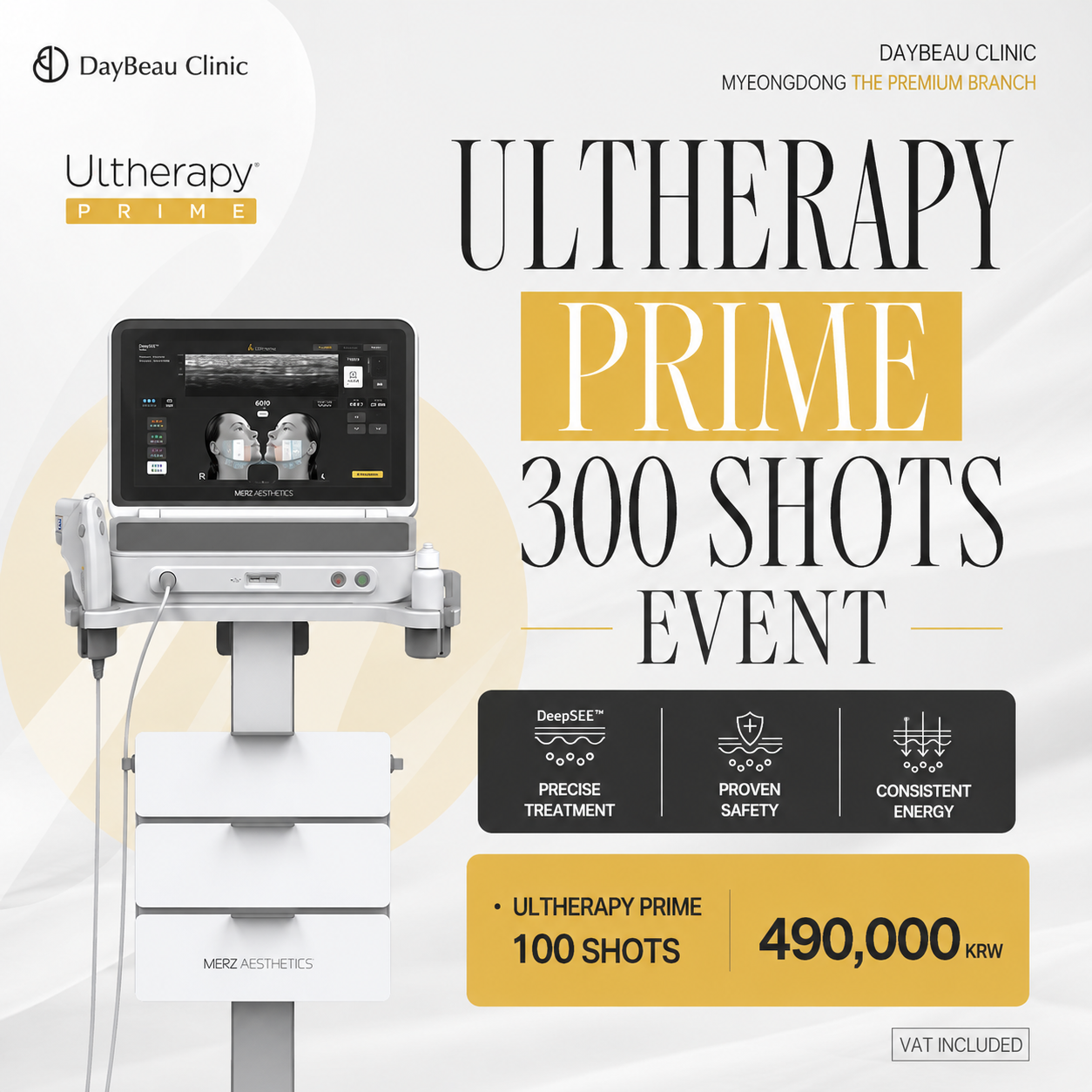
Ultherapy
Ultherapy uses focused ultrasound energy to stimulate collagen production in deeper layers of the skin.
Common treatment areas:
- Jawline
- Neck
- Cheeks
- Lower face
Benefits may include:
- Improved skin firmness
- Better facial definition
- Natural lifting effects
Thermage FLX
Thermage FLX uses radiofrequency energy to heat deeper skin layers and encourage collagen remodeling.
It is commonly used for:
- Fine lines
- Loose skin
- Reduced elasticity
- Eye-area rejuvenation
Sofwave
Sofwave uses advanced ultrasound technology designed to stimulate collagen production in the mid-dermal layer.
It is often chosen for:
- Mild skin laxity
- Wrinkle improvement
- Skin firmness enhancement
RF Microneedling Technology
Combining Radiofrequency Energy With Microneedling
RF Microneedling has become increasingly popular in Korean skin clinics because it combines two powerful skin rejuvenation methods.
The technology creates controlled micro-injuries while delivering radiofrequency energy into deeper skin layers.
It may help improve:
- Acne scars
- Enlarged pores
- Uneven texture
- Fine lines
- Skin firmness
Popular RF Microneedling devices are often customized based on the patient’s skin condition and treatment goals.
Regenerative Skin Technologies
The Future of Skin Rejuvenation
One of the biggest advancements in Korean dermatology is the growth of regenerative treatments. These procedures focus on improving skin quality by supporting natural repair processes.
Popular regenerative treatments include:
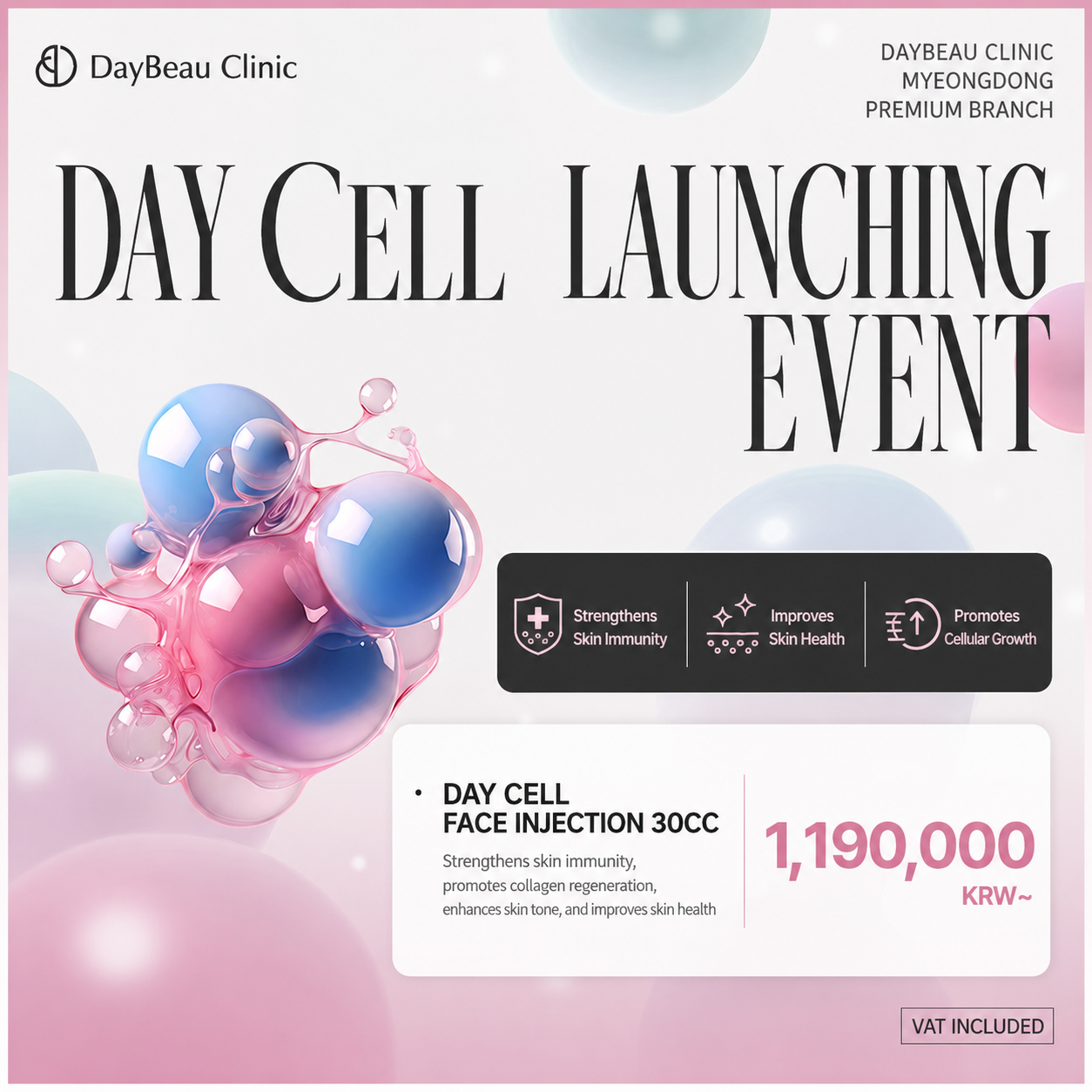
Rejuran Skin Booster
Rejuran uses polynucleotide-based technology to support skin regeneration.
It is commonly used for:
- Improved elasticity
- Better hydration
- Fine lines
- Skin texture improvement
Exosome Therapy
Exosome-based treatments have gained popularity for their potential role in supporting skin recovery and regeneration.
Common goals include:
- Improved skin quality
- Enhanced recovery after procedures
- Healthier appearance
PRP Therapy
PRP uses components derived from the patient’s own blood to support natural skin rejuvenation.
It may be used for:
- Skin renewal
- Texture improvement
- Recovery support
Artificial Intelligence and Digital Skin Analysis
Technology-Driven Skin Assessment
Many advanced Korean clinics use digital skin analysis systems to evaluate patients before treatment.
These technologies can assess:
- Pigmentation levels
- Skin texture
- Wrinkle depth
- Pore size
- Skin hydration
- Signs of aging
Digital analysis helps dermatologists create more accurate and personalized treatment plans.
Combination Treatment Technology
Creating Comprehensive Skin Improvement Plans
A major strength of Korean dermatology is combining different technologies to achieve balanced results.
Examples include:
Combination TreatmentTechnology BenefitsPico Laser + RejuranBrightening and skin regenerationUltherapy + Skin BoosterLifting and hydrationThermage FLX + BotoxTightening and wrinkle improvementRF Microneedling + Exosome TherapyTexture repair and regenerationFractional Laser + RejuranScar improvement and skin renewal
This approach allows doctors to address multiple concerns simultaneously.
Personalized Technology-Based Treatment Planning
Choosing the Right Technology for Each Patient
Advanced Korean clinics do not rely on a single treatment method. Instead, dermatologists analyze each patient's skin before selecting suitable technologies.
Doctors consider:
- Skin type
- Age-related changes
- Pigmentation level
- Acne history
- Skin sensitivity
- Desired results
- Recovery preferences
This personalized approach helps maximize treatment effectiveness and safety.
Why International Patients Choose Korean Clinics
Global Medical Tourism and Advanced Care
South Korea’s technological advantages have attracted patients from around the world.
International patients often choose Korean clinics because of:
- Advanced treatment devices
- Experienced dermatologists
- Personalized consultations
- Competitive pricing
- International patient services
Many clinics provide:
- English-speaking coordinators
- Online consultations
- Treatment planning before arrival
- Translation support
- Follow-up assistance
Technology and Safety Standards
Maintaining High Treatment Quality
Advanced technology alone is not enough for successful results. Proper medical knowledge and skilled operation are essential.
Reputable Korean clinics focus on:
- Qualified dermatologists
- Professional consultations
- Proper device settings
- Patient safety protocols
- Detailed aftercare instructions
Choosing an experienced clinic ensures that advanced technology is used appropriately.
The Future of Korean Skin Clinic Technology
Continued Growth in Medical Aesthetics
South Korea continues to invest in the future of dermatology technology. Emerging trends include:
- Regenerative medicine
- Personalized skincare solutions
- AI-based skin analysis
- Advanced laser systems
- More precise energy-based treatments
- Improved minimally invasive procedures
As technology continues to evolve, Korean skin clinics are expected to remain at the forefront of global cosmetic dermatology.
Frequently Asked Questions About Korean Skin Clinic Technology
Why are Korean skin clinics considered technologically advanced?
Korean skin clinics are known for adopting advanced medical devices, investing in innovation, and combining technology with expert dermatology care.
What technologies are commonly used in Korean dermatology clinics?
Popular technologies include Pico Laser, Fractional Laser, Ultherapy, Thermage FLX, RF Microneedling, skin boosters, and regenerative treatments.
Are Korean laser treatments safe?
When performed by qualified dermatologists using appropriate settings, advanced laser treatments are generally considered safe.
Why do international patients choose Korean skin clinics?
Patients choose Korean clinics for advanced technology, experienced doctors, personalized treatment plans, and high-quality medical tourism services.
Do Korean clinics combine multiple technologies?
Yes. Many Korean dermatologists use combination treatments to address multiple skin concerns and improve overall results.
Conclusion
The advanced technology behind South Korea’s leading skin clinics is one of the main reasons the country has become a global leader in cosmetic dermatology. From advanced laser systems and skin tightening devices to regenerative therapies and digital skin analysis, Korean clinics continue to push the boundaries of modern skincare.
For international patients seeking innovative and effective skin treatments, South Korea offers access to some of the world’s most advanced dermatology technologies. By combining cutting-edge equipment with experienced specialists and personalized care, Korean skin clinics provide comprehensive solutions for achieving healthier, younger-looking skin.